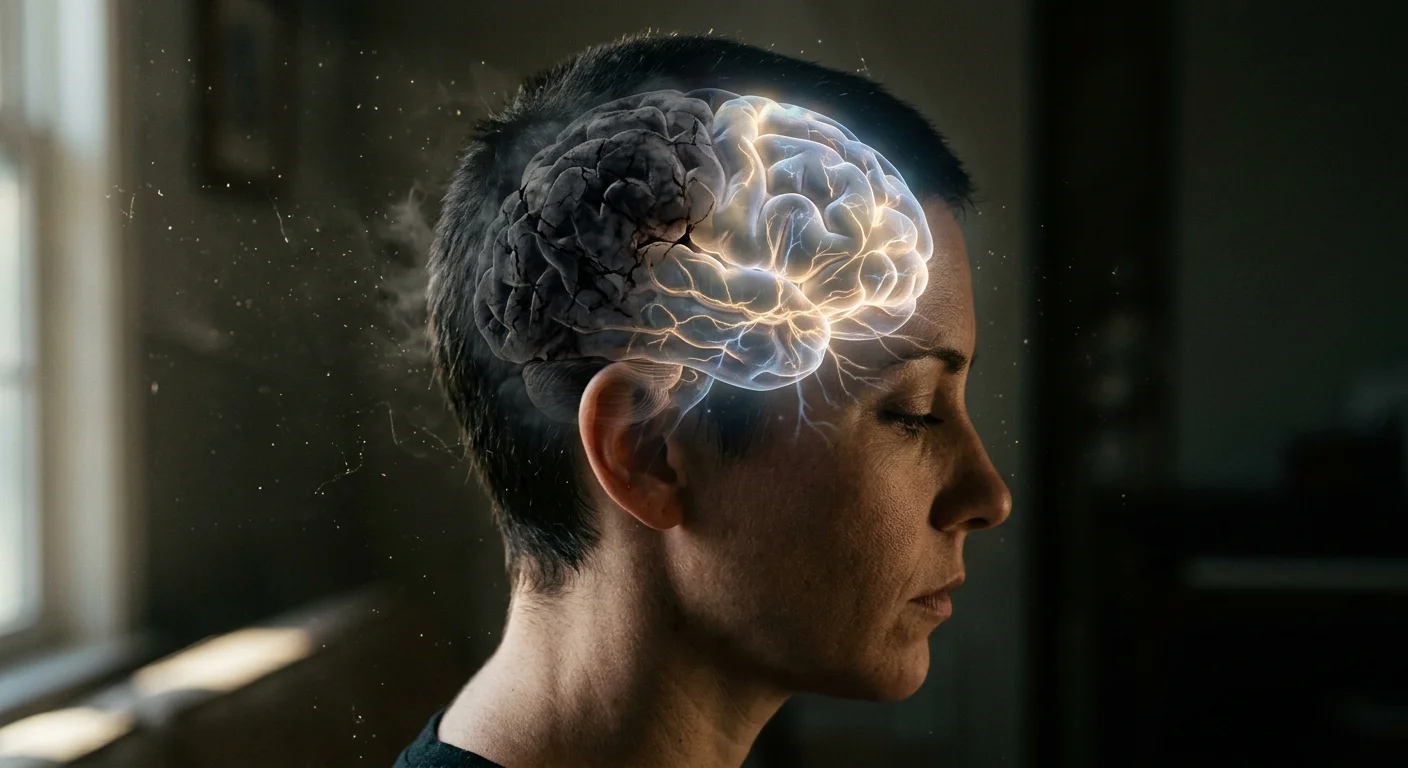

For an individual displaying sudden, intense bursts of energy followed by severe crashes, dilated pupils, and unexplained financial trouble, professional intervention is immediately necessary. For someone showing early signs of cocaine use like frequent nosebleeds or isolation, outpatient counseling can prevent escalation. If a loved one displays advanced signs of a coke addict like paranoia, intense cravings, or severe financial instability, a cocaine addiction treatment program or intensive outpatient program is the most effective path forward. Cocaine is a highly potent central nervous system stimulant, and attempting to stop without structured support often leads to painful relapse cycles due to profound changes in the brain’s reward system. Seeking immediate, evidence-based care ensures safety, manages intense psychological cravings, and provides a sustainable framework for long-term sobriety. Identifying these symptoms early allows families to step in before irreversible health or legal consequences occur.
Please note: The information provided on this page is for educational purposes and should not replace professional medical advice, diagnosis, or treatment. Always consult with a qualified healthcare provider or addiction specialist regarding any medical condition or treatment plan.
How to Tell if Someone is on Cocaine and Acting Differently
Cocaine radically alters an individual’s behavioral patterns by flooding the brain with dopamine, causing rapid shifts in energy, mood, and social interactions. In the acute phase of intoxication, an individual typically displays a surge of intense energy, talkativeness, and extreme confidence. They might speak rapidly, jump from one topic to another, and express grandiose ideas that seem detached from reality. This behavior is driven by the drug’s restriction of dopamine reuptake in synaptic clefts, as detailed in research from BrainFacts.org.
As the drug wears off, the individual’s behavior changes dramatically. They enter a comedown phase characterized by extreme irritability, anxiety, fatigue, and severe mood swings. They may isolate themselves from friends, sleep for unusually long periods, or display intense depressive symptoms. This cycle of extreme highs and crushing lows often causes unpredictable, erratic behavior. A person might become defensive or hostile when asked about their sudden mood shifts or changing routines.
Physical and Behavioral Signs of Cocaine Use

Recognizing the physical markers of cocaine consumption involves observing specific bodily changes and the presence of drug paraphernalia. Because cocaine is a powerful stimulant, it causes immediate systemic reactions that are difficult to conceal. Dilated pupils, an elevated heart rate, and increased body temperature are common immediate physiological signs.
Depending on the method of consumption, you may also observe specific localized symptoms:
- Frequent sniffing, a chronically runny nose, or sudden nosebleeds from snorting powder cocaine.
- Burn marks on the fingers, lips, or mouth from smoking crack cocaine.
- Track marks, bruising, or skin infections on the arms or legs from intravenous use.
- Rapid, unexplained weight loss due to severe appetite suppression.
- Teeth grinding, jaw clenching, and repetitive physical tics or twitching.
In addition to physical symptoms, behavioral clues often appear in the individual’s environment. You might find small plastic bags with white powdery residue, cut straws, razor blades, or rolled-up dollar bills. They may take frequent, unexplained trips to the bathroom or step outside during family gatherings. These quick disappearances are often necessary to maintain the short-lived high, which typically lasts only fifteen to thirty minutes.

What Does Cocaine Addiction Look Like Over Time?
Over time, a cocaine addiction manifests as a complete hijacking of an individual’s priorities, relationships, financial health, and emotional stability. What begins as recreational use quickly transitions into a compulsive need to acquire and consume the drug. The individual’s entire daily routine begins to revolve around securing their next dose.
As dependence deepens, the long-term impact on a person’s life becomes increasingly visible:
- They experience severe financial instability, frequently borrowing money, falling behind on bills, or selling personal belongings without explanation.
- Their performance at work or school declines significantly, leading to frequent absences, lost jobs, or academic failure.
- They experience profound psychological deterioration, including chronic anxiety, severe paranoia, panic attacks, and sensory hallucinations.
- They withdraw from long-term friendships and family events, preferring to spend time with individuals who facilitate their drug use.
- They show an inability to stop using despite experiencing clear negative consequences, such as health complications or legal troubles.
Chronic use also alters brain chemistry, making it difficult for the person to experience pleasure from normal daily activities. This neurological change leads to persistent depression and emotional emptiness when they are not actively using the stimulant.
Comparing the Stages of Stimulant Dependence

Stimulant dependence typically develops along a predictable continuum, moving from voluntary social experimentation to compulsive, involuntary use. Understanding these distinct stages helps families and clinical professionals determine the appropriate level of care required. Each stage carries unique risks and requires a specific intervention strategy to prevent further progression.
The table below outlines the progression of cocaine use and the corresponding signs and recommended actions:
| Stage of Stimulant Use | Primary Signs & Symptoms | Recommended Intervention Strategy |
|---|---|---|
| Experimental Use | Social use, curiosity-driven consumption, minimal lifestyle impact, high perceived control. | Early intervention, preventative education, and individual outpatient counseling. |
| Regular/Social Use | Patterned use (e.g., weekends), rising tolerance, subtle mood changes, hiding use from family. | Outpatient therapy, peer support groups, and coping mechanism development. |
| Risky/Problematic Use | Binge cycles, frequent unexplained absences, missed obligations, relationship conflicts, mild withdrawal. | Intensive Outpatient Program (IOP), regular medical checkups, and family therapy sessions. |
| Chemical Dependence | Compulsive daily use, severe paranoia, financial distress, physical deterioration, intense cravings. | Partial Hospitalization Program (PHP), comprehensive clinical treatment, and medical detox referrals. |
As an individual transitions through these stages, their physiological tolerance increases. They require larger amounts of the drug to achieve the initial high, escalating the risk of toxic buildup in the body. Recognizing these patterns early can prevent the transition from risky use to severe, life-altering chemical dependence.
Recognizing Cocaine Withdrawal and the Danger of Overdose

Stopping cocaine use triggers a profound psychological crash and intense cravings rather than the highly visible physical withdrawal symptoms typical of opioids or alcohol. This sudden cessation causes a dramatic drop in dopamine levels, leading to a state of clinical exhaustion and emotional distress. Withdrawal symptoms include profound fatigue, vivid unpleasant dreams, insomnia or hypersomnia, and increased appetite. Individuals often experience psychomotor retardation, moving or speaking much slower than usual, alongside severe depressive episodes and suicidal ideation.
The lack of physical markers like vomiting or seizures during withdrawal often leads people to underestimate the severity of stimulant detox. However, the psychological cravings are incredibly intense, frequently driving individuals back to active use. According to the National Institute on Drug Abuse, cocaine-involved overdose deaths rose significantly over the past decade, reaching over 24,486 deaths in 2026.
Cocaine overdose is a medical emergency that can occur even during a person’s first use. Overdose symptoms include a rapid, irregular heart rate, extreme blood pressure spikes, hyperthermia (overheating), severe chest pain, seizures, and acute psychosis. Data from the Centers for Disease Control and Prevention indicates that nearly one in five drug overdose deaths in the United States involve cocaine. This risk escalates dramatically when cocaine is mixed with alcohol, forming a highly toxic compound in the liver called cocaethylene, or when the cocaine is contaminated with synthetic opioids like fentanyl.
Professional Interventions and Outpatient Support Strategies
Overcoming a stimulant use disorder requires a comprehensive, multi-layered treatment plan tailored to the unique psychological triggers of the individual. Many people make the professional mistake of attempting to detox alone without professional therapeutic support. While physical detox cleanses the system of the substance, it does not address the underlying cognitive distortions, trauma, or co-occurring mental health disorders that drive compulsive drug seeking. This clinical oversight frequently results in immediate relapse when the individual encounters daily stressors.
For those seeking recovery, our structured drug rehab in Springfield, MA offers evidence-based therapeutic programs designed to rebuild lives. Enrolling in an intensive outpatient program like our drug IOP in Springfield, MA provides the perfect balance of structured clinical care and daily flexibility. This allows clients to participate in high-level therapy while maintaining their work, school, and family commitments.
Clinical interventions typically include Cognitive Behavioral Therapy (CBT) to identify and alter self-destructive thought patterns, and Dialectical Behavior Therapy (DBT) to improve emotional regulation. Our trauma-informed team supports clients through personalized day treatment, extended day treatment, family counseling, and long-term aftercare planning. We emphasize dignity, safety, and rapid access to care, offering same-day admissions when available. For accurate and up-to-date pricing details, please contact our admissions team directly, as fees vary based on insurance coverage and customized treatment plans. Learn more about our addiction treatment center and our approach to care.
FAQ
How long does cocaine remain detectable in the body?
Cocaine or its primary metabolites can typically be detected in urine for two to four days after the last use. However, heavy or chronic use can extend this detection window to up to a week. Hair tests can detect the substance for up to ninety days or longer, depending on the length of the hair sample.
Can someone overdose on cocaine during their first use?
Yes, an individual can experience a fatal overdose during their very first exposure to cocaine. Because cocaine causes sudden spikes in blood pressure and heart rate, it can trigger immediate cardiac arrest, strokes, or seizures. Additionally, street cocaine is frequently contaminated with lethal amounts of fentanyl, dramatically increasing the risk of accidental overdose.
What are the primary psychological effects of chronic cocaine use?
Chronic cocaine use alters the brain’s reward circuitry, leading to severe depression, anxiety, and emotional flatness when not using the drug. Over time, individuals may develop chronic paranoia, panic attacks, and substance-induced psychosis, which includes auditory and visual hallucinations. These psychological changes often require professional psychiatric and therapeutic care to resolve completely.
Is outpatient rehab effective for cocaine addiction?
Yes, outpatient rehabilitation programs are highly effective for individuals struggling with cocaine addiction, especially when they have a stable living environment. Programs like intensive outpatient care provide structured therapy, peer support, and medical oversight while allowing clients to practice their recovery skills in real-world settings. This structure helps build sustainable, long-term coping mechanisms without requiring overnight stays.
Which therapies are most successful for stimulant recovery?
Cognitive Behavioral Therapy (CBT) is widely considered the gold standard for treating stimulant use disorders, as it helps individuals recognize and avoid drug triggers. Dialectical Behavior Therapy (DBT) and motivational interviewing are also highly effective in building emotional resilience and reinforcing positive change. Group therapy and family support further strengthen the individual’s recovery network, reducing the likelihood of relapse.
When should a family consider an intervention for a loved one?
A family should consider professional guidance or an intervention as soon as they notice persistent changes in behavior, unexplained financial strain, or physical health decline. Waiting for a loved one to reach “rock bottom” is dangerous, especially with the high risk of drug contamination in the current illicit market. Early professional support dramatically increases the chances of a successful transition into a treatment program.