At New Growth Recovery in Springfield, MA, you’ll receive therapist-led groups that focus on practical tools you can use in daily life, all linked to your wider treatment plan. Whether you need Extended Day Treatment (PHP), Day Treatment (IOP), online rehab programs, or aftercare, we can provide full support for your recovery.
Same-day and next-day assessments are often available.
See that your thoughts, urges, and slips are common
Get real-time feedback on how you cope and communicate
Practice saying “no,” asking for help, and managing cravings
What Is Group Therapy?
Group therapy is a structured, clinician-led space where you build coping skills with peers instead of trying to manage everything alone. Group therapy includes:
Licensed therapists guiding each session with clear goals
A blend of education, skills practice, and guided discussion
Skills to manage triggers, cravings, emotions, and prevent relapse
Support for mixed substances and co-occurring mental health needs
Types of Addiction Group Therapy
You’ll join several types of groups matched to your needs and stage of recovery.
1
Skills Groups for Addiction (CBT and DBT)
In a skills group for addiction, you’ll use CBT and DBT to teach tools, including how to:
Manage cravings and high-risk situations
Catch and challenge thoughts that keep you stuck
Cope with intense feelings without using substances
2
Process Groups for Addiction Recovery
Process groups focus on what’s happening in your life currently. Sessions help you:
Notice patterns in how you react, avoid, or shut down
Talk about relationships, work, school, and family stress
Get supportive feedback in a respectful, therapist-led space
3
Psychoeducation and Relapse Prevention Groups
Psychoeducation groups for addiction help you protect your progress. You’ll receive:
Clear learning skills on how substances affect your brain and body
A relapse-prevention plan you can actually follow day-to-day
Time to map your own triggers and early warning signs
4
Specialty Groups
When deemed appropriate by a professional at our center, you may also join addiction therapy groups, such as:
Men’s or women’s group therapy
Trauma group therapy to address past pain
Groups for young adults or college students
Dual diagnosis for co-occurring mental health needs
Groups are combined based on your history, goals, and comfort level.
Group therapy can help at many stages of substance use and recovery.
People Starting Treatment
If you’re entering PHP or IOP, you’ll have access to:
Real examples of how others manage cravings and daily stress
Support that shows you’re not alone in early recovery
A sober support network starting from day one
People Stepping Down From PHP or IOP
When you move into outpatient programs or aftercare, groups help you:
Talk through new stressors between individual sessions
Stay accountable once you’re back at work, school, or home
Adjust your relapse-prevention plan as your routine changes
People in Ongoing Recovery
For individuals who are more stable in addiction recovery, group sessions provide:
A steady space to check in about wins, slips, and cravings
Support when stress, loss, or big life changes make use more tempting
How Group Therapy Fits Into Treatment
Extended Day Treatment (PHP-Equivalent)
Full-day program includes individual, group, and family sessions to stabilize symptoms and build structure.
Substance Abuse Day Treatment (IOP-Equivalent)
Our day treatment offers part-time therapy, including group therapy and skills group work.
Online Rehab Programs
Virtual group therapy helps people who need flexible scheduling or can’t always travel to Springfield.
Aftercare and Continuing Care Groups
Ongoing group therapy, including relapse-prevention groups that help you stay connected once treatment ends.
Disclaimer: Due to Massachusetts licensing, New Growth Recovery uses “Extended Day Treatment” and “Day Treatment.” These are comparable to a Partial Hospitalization Program and an Intensive Outpatient Program, respectively.
“Best program I’ve ever been involved with! The staff are our earth angels!!! Very beneficial programming and activities!”
Most addiction group sessions include 6–10 people, as well as a licensed therapist. They can last anywhere from 60 to 90 minutes. We typically begin with check-ins and introduce a shared topic of skill for the session. Group settings give you time to practice coping methods and ask questions in a shared space.
From the first day, you’ll receive clear guidelines around confidentiality, respect, and sobriety so the group feels predictable and safe.
How Group and Individual Therapy Work Together
Group and individual therapy are designed to support each other. In individual sessions, you’ll explore your history, patterns, and goals. In group, you’ll practice new skills and ways of relating, then bring what you notice back into one-on-one work.
PFML May Be Available for Massachusetts Families
Many MA employees can take paid time off for family or medical reasons. Your job and benefits are protected.
Client Reviews About Our Group Therapy for Addiction
             Posted on Google        Josh     Trustindex verifies that the original source of the review is Google. Great clinicians that know about their work personally and really care about their participants wonderful place to find great people to have in your recovery journey         Posted on Google        kelly pete     Trustindex verifies that the original source of the review is Google. Thank You💐         Posted on Google        Delina     Trustindex verifies that the original source of the review is Google. New Growth was an incredible support throughout my personal recovery journey. Their dedicated, compassionate staff bring lived experience, and the client-centered environment truly feels like a real community. I would confidently refer anyone I know or care about who is seeking support.         Posted on Google        Steven Turrini     Trustindex verifies that the original source of the review is Google. New growth is a great program that helps get to the root of the issue. Tim is great and I think his alumni meeting keeps showing people trying that it works!!👏         Posted on Google        Arianna Palazzi     Trustindex verifies that the original source of the review is Google. New Growth has made a huge difference in my life. The staff here is amazing, they truly care about your recovery and go above and beyond to support you. Tim’s groups specifically made a big impact on me and really helped me through my time in the program. I felt heard, supported, and encouraged every step of the way. I would absolutely refer anyone who’s looking for help to come here.         Posted on Google        Christopher     Trustindex verifies that the original source of the review is Google. I had a amazing experience at New Growth Recovery Center and am grateful for the support I received during a difficult time in my life. The staff was compassionate, knowledgeable, and genuinely committed to helping clients through recovery. From the clinical team to the support staff, I felt respected and understood rather than judged.
The program offered a structured environment that helped me build healthier habits and better understand my substance use. Group sessions were especially impactful, providing a sense of community and connection with others facing similar challenges. I also appreciated the individualized attention in counseling sessions, which allowed me to work through personal issues at my own pace.         Posted on Google        Timothy McCarthy     Trustindex verifies that the original source of the review is Google. New Growth was an amazing support in my personal recovery journey. Committed, compassionate staff with lived experience and a client culture that resembles real community. would refer to anyone I know/love seeking support.         Posted on Google        Billy Stoddard     Trustindex verifies that the original source of the review is Google. Evan and the staff at New Growth have a very welcoming facility. It’s spacious and well kept. The  clinical staff does a great job engaging and giving their clients the care they deserve. New Growth is my first call when anyone needs substance use outpatient resources in western MA         Posted on Google        Shannon Gillick     Trustindex verifies that the original source of the review is Google. Best program I've ever been involved with! The staff our earth angels!!! Very beneficial programming and activities! I love New Growth Recovery! I thank God for making it possible for this kind of support and compassion!!!
How to Start Group Therapy
Getting started is simple, whether you’re starting detox elsewhere, looking for placement, or seeking ongoing treatment.
1
Call or walk in to begin your intake
2
Speak with our team about your needs and history
3
Complete a substance abuse evaluation (can be done virtually)
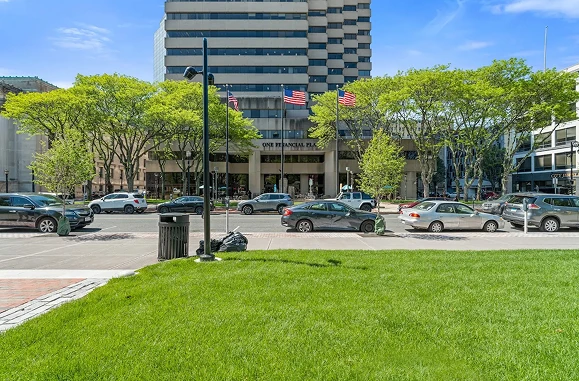
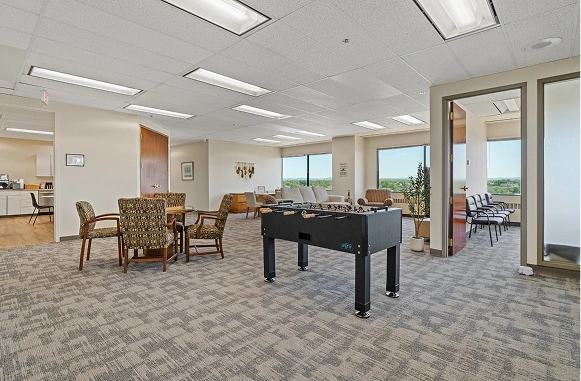
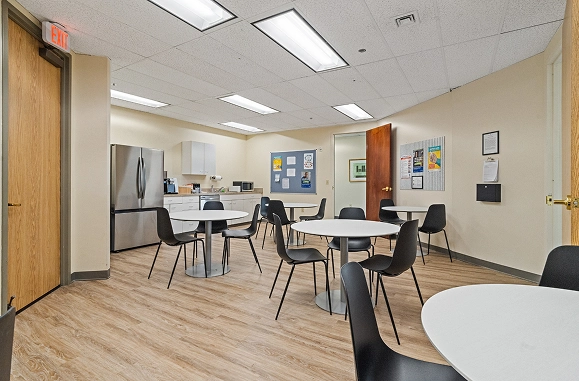
Our Springfield treatment center is a calm, professional setting away from many daily triggers. It includes dedicated rooms for group work and a private, sunlit 15th-floor space overlooking the city.
“I would recommend New Growth to anyone who needs a safe place to learn coping mechanisms, as well as other recovery skills, with a wonderful view.”
What’s the difference between group therapy and a support group for addiction?
Group therapy is therapist-led treatment with a plan, while support groups are peer-led meetings focused on shared encouragement. Peer support groups like AA, NA, or SMART Recovery (a non-12-Step support group) are typically led by members, not clinicians, and focus more on mutual support.
Is group therapy right for me if I’m anxious about speaking in front of others?
Yes. You can start by listening until you feel comfortable, and you’ll share at your own pace with support from your therapist.
Can I do group therapy without individual therapy?
In most cases at New Growth Recovery in MA, you’ll receive a combination of individual and group therapy. We ensure your care stays coordinated.
How many people are usually in an addiction group therapy session?
Groups are kept small so everyone has time to talk, often around 6–10 people.
How long do people usually stay in group therapy?
Length varies with substance abuse group therapy. You and your therapist will review progress and decide together when it makes sense to step down.
Is addiction group therapy covered by insurance?
Often, yes, group counseling for addiction is covered. You’ll have help checking your benefits and understanding any out-of-pocket costs before starting.
Can I join online group therapy if I live outside Springfield, MA?
If you live in a state where clinicians are licensed and online addiction group therapy is appropriate and available, we can help facilitate.
What if I miss a group session or have to reschedule?
If you need to miss a session, you’ll tell the team as soon as you can, and your therapist will help you catch up on key skills and topics.
Insurance Questions? Let’s Clear the Path to Your Recovery!
Please fill out the form below. You’ll typically receive a call within a couple of hours, and always within 24 hours. We’re here to help you every step of the way.