
For anyone trying to understand substance use, distinguishing between physical adaptation and behavioral patterns is critical. Choose medical tapering under clinical supervision if you only face physical symptoms when stopping a substance. Choose a comprehensive outpatient rehab program if you experience uncontrollable cravings, compulsive behaviors, and lifestyle disruption. Understanding the difference between addiction and dependence helps you choose the right recovery path and ensures you receive appropriate medical care. While physical dependence means your body has adapted to a drug and experiences withdrawal without it, addiction is a complex brain disease marked by an inability to stop using despite severe consequences. Confusing these terms often leads to misdiagnosis, unnecessary fear, or ineffective treatment strategies. If you or a loved one is struggling, getting an accurate assessment from a professional facility is the first step toward lasting health. Below, we examine the clinical realities of both conditions, their key differences, and the most effective recovery methods.
Disclaimer: The medical and treatment information in this article is for educational purposes only and should not replace professional medical advice, diagnosis, or treatment. Always consult with a qualified healthcare provider or a professional rehabilitation center regarding any medical condition, physical withdrawal, or recovery plan.
What is dependence and how does it develop?
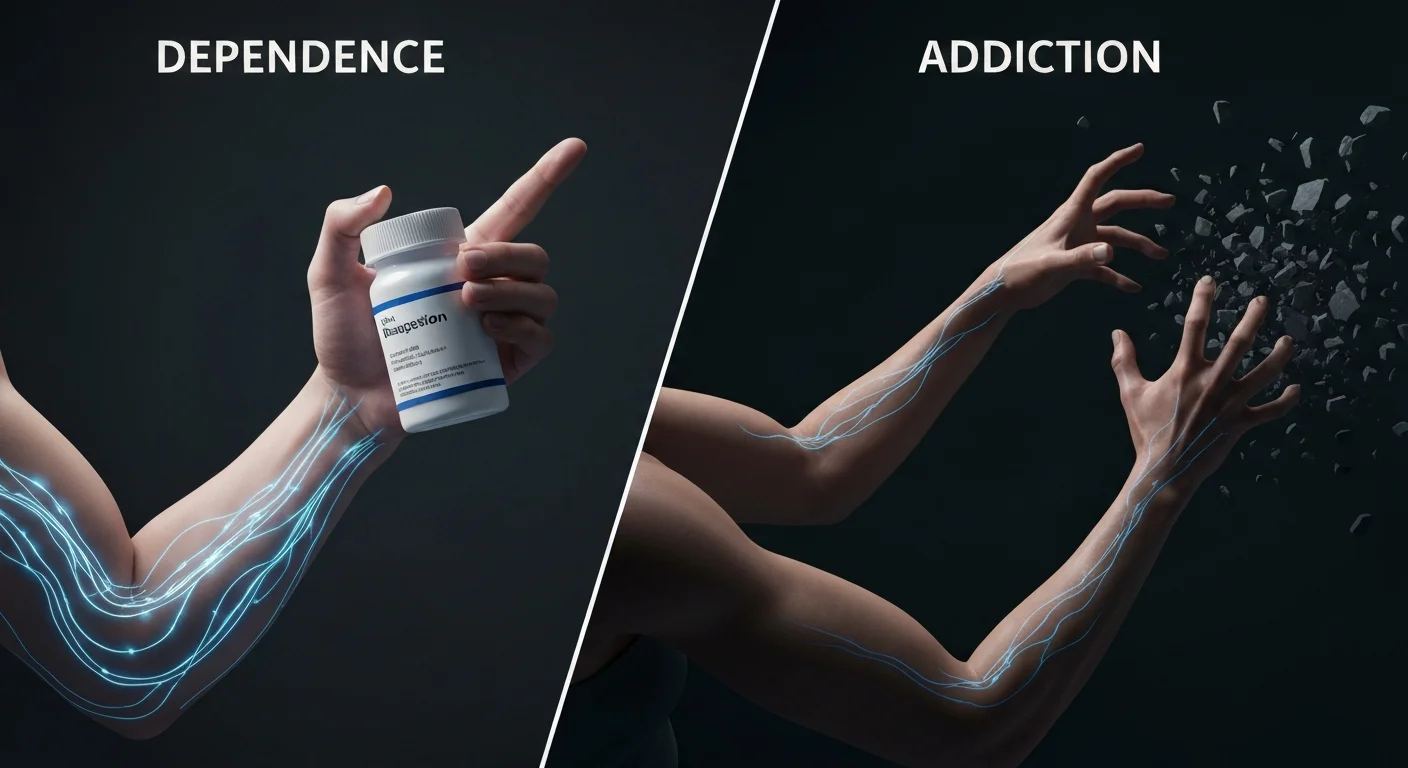
Physical dependence represents the physiological adaptation of the human body to the regular presence of a specific substance. When you take a medication or drug consistently over time, your brain and body adjust their chemistry to function alongside it. The central nervous system seeks a state of balance, known as homeostasis. To achieve this while a foreign chemical is constantly present, the brain alters its natural production of neurotransmitters. If you suddenly stop taking the substance, your system is thrown out of balance, resulting in physical withdrawal symptoms.
Many people develop physical dependencies on everyday substances without ever experiencing addiction. For instance, millions of people rely on daily caffeine to avoid headaches, irritability, and fatigue. Patients taking prescription beta-blockers, antiepileptics, or antidepressants under strict medical supervision also develop physical dependence. If they stop these medications cold turkey, they will feel physically ill, yet they do not crave the drug or display compulsive behaviors to obtain it.
According to clinical definitions from the American Psychiatric Association, physical dependence is characterized by two primary phenomena: tolerance and withdrawal. Tolerance means your body requires increasingly larger doses of the substance to achieve the same physical or therapeutic effect. Withdrawal refers to the onset of uncomfortable or dangerous physical symptoms when the substance leaves your system. While dependence is a key component of substance use, it can occur entirely on its own without the psychological compulsive behaviors associated with addiction.
To avoid dangerous health complications, you should never attempt to stop taking a dependency-inducing drug abruptly. Safe cessation requires a gradual tapering schedule designed by a medical professional. This slowly acclimates the body to lower doses, minimizing discomfort and preventing severe withdrawal symptoms.
What is addiction and how does it alter the brain?
Addiction is a chronic, relapsing brain disease characterized by compulsive substance seeking and use despite harmful consequences. Clinically classified as a substance use disorder, it fundamentally alters the reward pathways in the brain. Specifically, addiction affects dopamine transmission in the mesolimbic pathway, which governs your feelings of pleasure, motivation, and reinforcement. These neurological changes compromise your ability to make decisions, control your impulses, and feel pleasure from normal daily activities.
When a person struggles with addiction, their entire lifestyle often shifts to revolve around obtaining, using, and recovering from the substance. They continue to use even when it damages their relationships, destroys their physical health, or threatens their financial stability. Unlike simple physical dependence, addiction involves a profound psychological pull. The individual feels an overwhelming, irrational drive to use the substance, even when they consciously want to stop.
According to data compiled by the Substance Abuse and Mental Health Services Administration, approximately 48.7 million Americans aged 12 or older met the criteria for a substance use disorder in recent years. This statistic highlights the widespread nature of the issue. Addiction can involve illegal drugs, prescription medications, or alcohol. It can also manifest as behavioral patterns, such as gambling disorder. In every case, the defining feature is a loss of control. Treating this condition requires addressing the underlying behavioral, psychological, and environmental triggers that drive the compulsion.
The critical difference between addiction and dependence
Understanding the difference between dependence and addiction is essential because it prevents dangerous self-treatment mistakes. A major professional mistake that clinicians and families make is treating a purely physical dependence as a psychological addiction, or vice versa. For example, a chronic pain patient who is physically dependent on prescription pain medication does not necessarily require intensive behavioral therapy if they are not displaying compulsive, harmful behaviors. They simply need a careful, medically supervised taper.
Conversely, someone struggling with addiction cannot recover through physical detox alone. Removing the drug from the body resolves the physical dependence, but it does nothing to treat the underlying psychological addiction. This is why detox is only the initial stage of recovery. Without comprehensive therapeutic support to address the mind, the risk of recurrence remains exceptionally high. The National Institute on Drug Abuse reports that up to 85% of individuals returning from standard treatments may experience some form of recurrence, highlighting the need for continuous, long-term therapeutic support rather than a simple physical detox.
To clarify these differences, consider the biological versus behavioral focus. Dependence is a physical condition localized in your body’s systems, while addiction is a complex neuropsychological condition that involves your thoughts, emotions, and behaviors.
Let us compare these two concepts side by side:
| Feature | Physical Dependence | Addiction (Substance Use Disorder) |
|---|---|---|
| Primary Source | Biological adaptation of the central nervous system. | Neurological changes in reward and decision-making pathways. |
| Key Indicators | Tolerance and physical withdrawal symptoms upon cessation. | Cravings, compulsive use, and inability to stop despite harm. |
| Behavioral Impact | No compulsive drug-seeking behavior or lifestyle disruption. | Severe disruption of daily responsibilities, relationships, and health. |
| Primary Treatment | Gradual medical tapering of the substance. | Comprehensive behavioral therapy, counseling, and peer support. |
As we look at the clinical landscape in 2026, medical professionals increasingly emphasize the danger of ignoring these distinctions. Mislabeling a patient who has a physical dependence as “addicted” can cause unnecessary stigma and lead to the denial of essential medications. Conversely, failing to recognize addiction in a patient who has both conditions can leave them without the psychological tools they need to survive.
Addiction vs Dependence: Recognizing the physical and psychological signs

Identifying how these conditions manifest in real life can help you determine the level of care you or your loved one needs. Physical signs are often easy to spot because they relate directly to your body’s response to the chemical. Psychological signs are behavioral and emotional, often showing up as changes in personality, social circles, or daily habits.
Data published by the Centers for Disease Control and Prevention indicates that over 100,000 Americans die annually from drug overdoses, which underscores the stakes of treatment. Recognizing the signs early can save a life. When you are evaluating a situation, look closely at the relationship the person has with the substance. Are they taking it solely to function physically, or are they using it to escape emotional pain?
The following list outlines common indicators for both categories:
- Physical symptoms of dependence: Feeling shaky, sweaty, or nauseous when a dose is missed; needing more of the substance to feel normal; experiencing sleep disturbances or rapid heart rate during abstinence.
- Behavioral signs of addiction: Lying about substance use, stealing to fund the habit, or hiding drug paraphernalia.
- Social withdrawal: Retracting from family events, dropping hobbies, and spending time only with people who use substances.
- Neglecting responsibilities: Failing to meet deadlines at work, missing school classes, or ignoring household chores.
- Loss of control: Promising to quit or cut back but repeatedly failing to do so.
If you notice these behavioral signs, a physical detox is not enough. You need to seek help from a structured program that targets both the mind and body.
Finding the right addiction treatment and recovery path

Choosing the right treatment program is the most critical step toward reclaiming your health and peace of mind. A reputable rehabilitation center provides the structured, compassionate environment needed to unpack the underlying causes of substance use. Effective treatment must be tailored to your specific situation, addressing both physical withdrawal and behavioral patterns.
For those struggling with physical dependence, a medically supervised detox or tapering schedule is the priority. This process ensures your body adjusts safely to the absence of the substance. For those dealing with addiction, a comprehensive outpatient program is often the most effective route. These programs offer flexible, high-quality care that fits into your daily life without requiring an overnight stay.
At New Growth Recovery, we understand that recovery is not a one-size-fits-all process. We offer a welcoming clinical environment in Springfield, Massachusetts, designed to support you with dignity. Our customized programs, including extended day treatment, help individuals navigate the transition from physical dependence to long-term behavioral recovery. If you are struggling with alcohol addiction, opioid addiction, or prescription drug addiction, our compassionate team provides same-day admission when available.
Our services include evidence-based addiction counseling and therapy to help you identify emotional triggers. We also provide specialized dual diagnosis treatment to support those dealing with co-occurring mental health conditions. By addressing both the physical and emotional aspects of recovery, we empower you to build a stable, fulfilling life.
If you are ready to take the first step, contact our team to learn more about how we can support your journey. For detailed information on insurance coverage and program availability, please reach out directly to our admissions office. We do not publish standard rates online, as treatment plans are highly personalized to meet your unique needs and insurance benefits.

Frequently Asked Questions
We answer some of the most common questions regarding dependence and addiction to help you make informed decisions.
What is the difference between physical dependence and addiction?
Physical dependence is a biological state where your body adapts to a substance and experiences withdrawal if you stop using it. Addiction is a chronic psychological disease characterized by compulsive drug-seeking behavior, intense cravings, and an inability to stop using despite experiencing negative consequences in your life.
Can you be dependent on a drug without being addicted?
Yes, you can be physically dependent on a substance without being addicted. This frequently happens to patients who take prescription medications, such as blood pressure drugs or antidepressants, exactly as directed by their doctor. While their bodies will experience withdrawal symptoms if they stop suddenly, they do not experience the psychological cravings or loss of control that define addiction.
Is addiction treatment necessary for someone who is only dependent?
Intensive addiction treatment is usually not necessary if a person only has a physical dependence without any behavioral issues. Instead, these individuals typically need a medically supervised tapering plan from their physician to safely lower their dosage. However, if the dependence is on a substance of abuse, a professional assessment is highly recommended to ensure no underlying addiction is present.
How long does it take to develop a physical dependence?
The time it takes to develop physical dependence varies significantly based on the substance, the dosage, and your unique biological makeup. Some substances, like certain benzodiazepines or opioids, can cause physical dependence in as little as a few weeks of daily use. It is always best to discuss these risks with your prescribing physician.
Which treatments are best for recovering from a substance use disorder?
The most effective recovery plans combine a safe physical detox with comprehensive behavioral therapies, such as cognitive behavioral therapy. Outpatient programs, support groups, and dual diagnosis treatment are crucial for addressing the emotional and mental patterns behind the substance use. Reaching out to a professional rehabilitation center is the best way to determine the right level of care for your needs.