New Growth Recovery provides specialized inhalant addiction treatment in Springfield, MA, with same-day or next-day admissions. Our outpatient rehab programs combine dual diagnosis care, evidence-based therapy, and personalized support to help you build a stable, substance-free future.
Inhalants are household or industrial products that produce vapors when inhaled. People may misuse them to feel brief euphoria, altered awareness, or sedation. Common examples include:
Glue and adhesives
Paint thinners and solvents
Aerosol sprays
Nitrous oxide
Cleaning fluids and gasoline
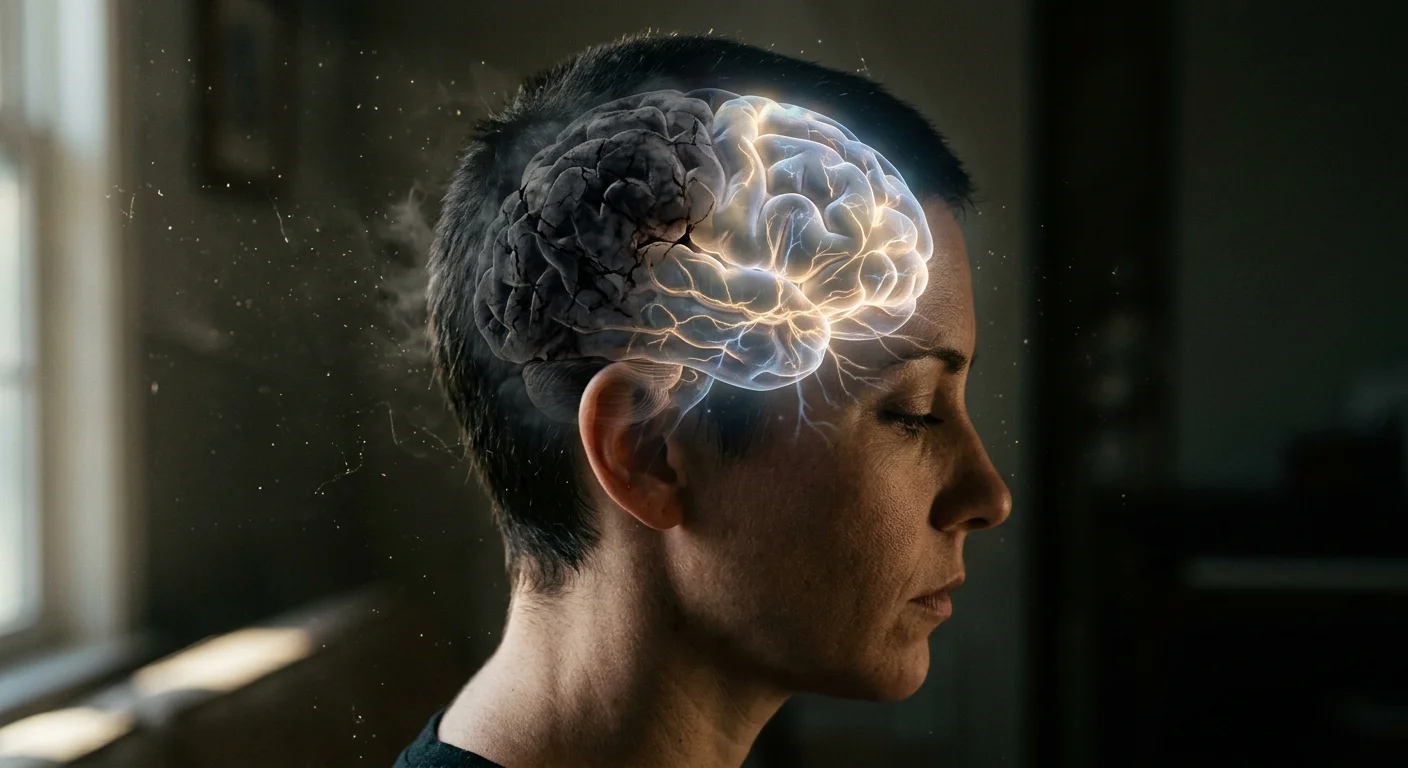
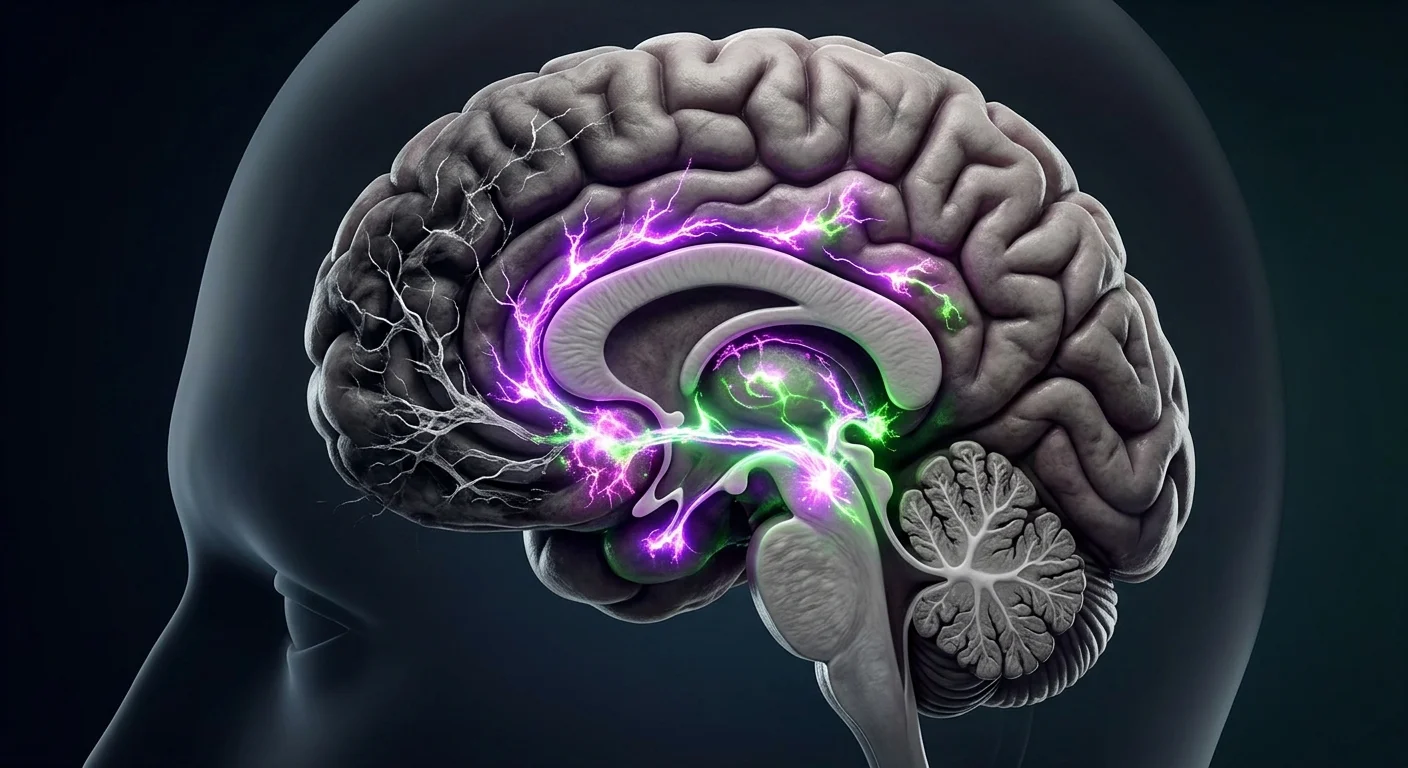
While the high may feel short-lived, inhalants can deprive the brain of oxygen and lead to sudden cardiac arrest or long-term cognitive damage. Even one use can be dangerous.
Common Street Names for Inhalants
Whippets
Laughing gas
Snappers
Huffing
Poppers
Signs and Long-Term Effects of Inhalant Use Disorder
Inhalant addiction often develops quietly. Because these products are legal and easy to access, misuse can go unnoticed.
You may notice:
Slurred speech or dizziness
Chemical odors on breath or clothing
Frequent headaches or nausea
Mood swings or irritability
Declining school or work performance
Long-term inhalant use can lead to memory problems, nerve damage, liver injury, and emotional instability. If you recognize these signs, seeking inhalant addiction treatment early can reduce the risk of further harm.
Our Inhalant Rehab Center in Springfield, MA
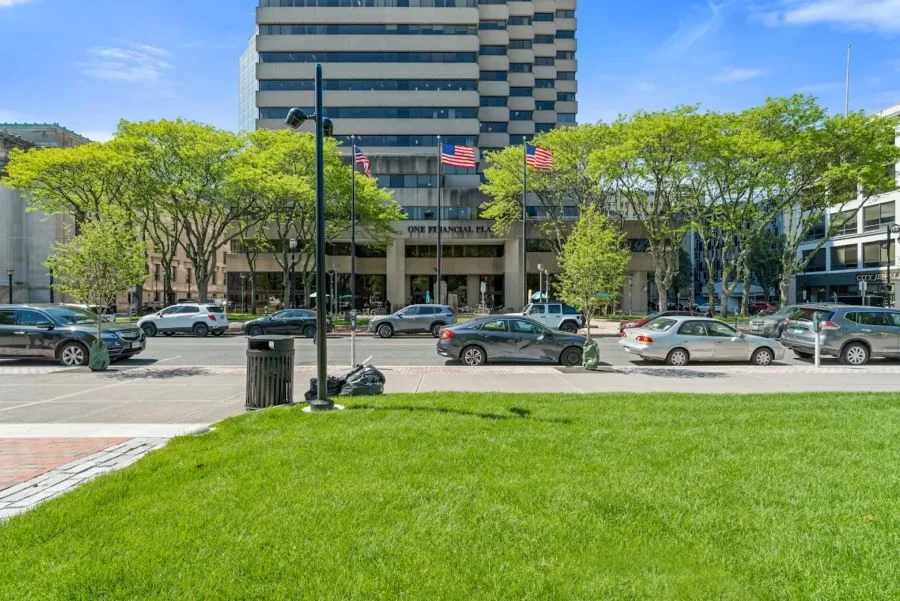
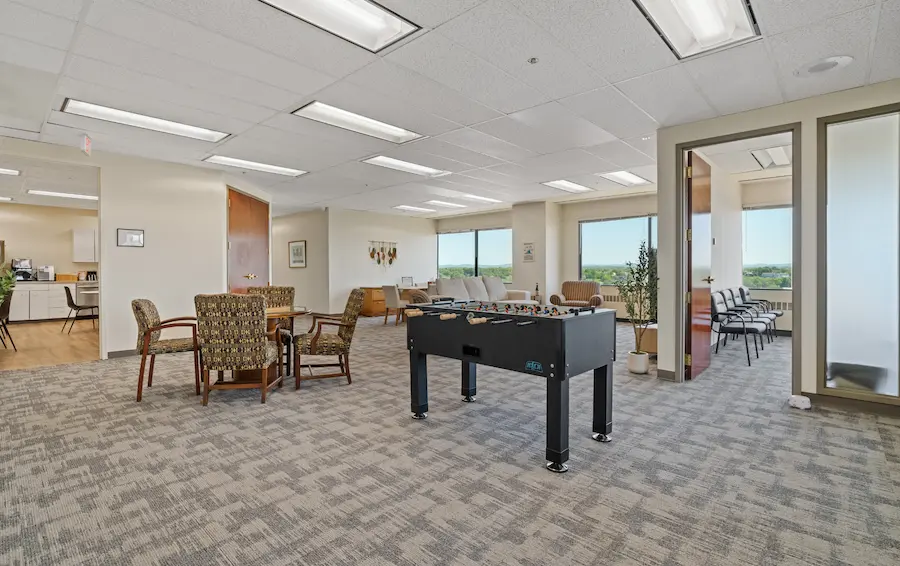
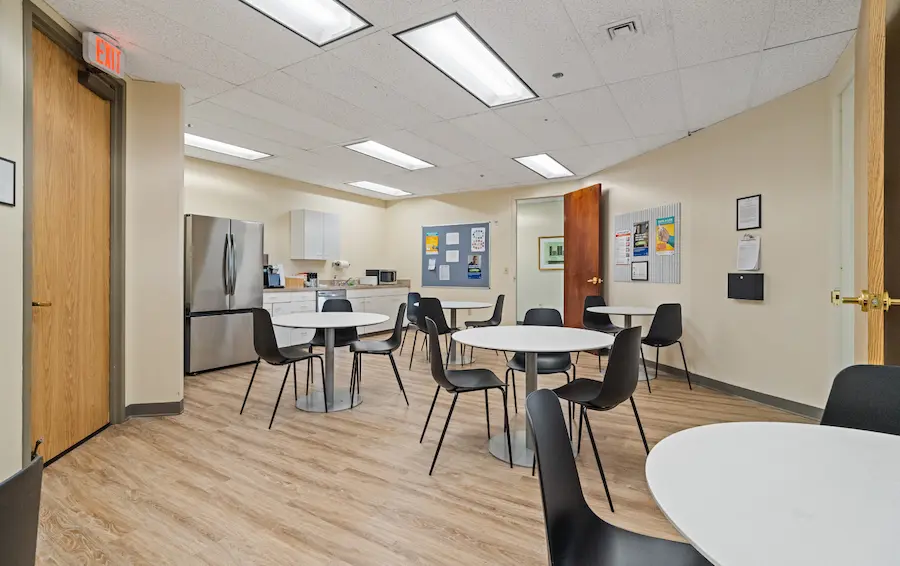
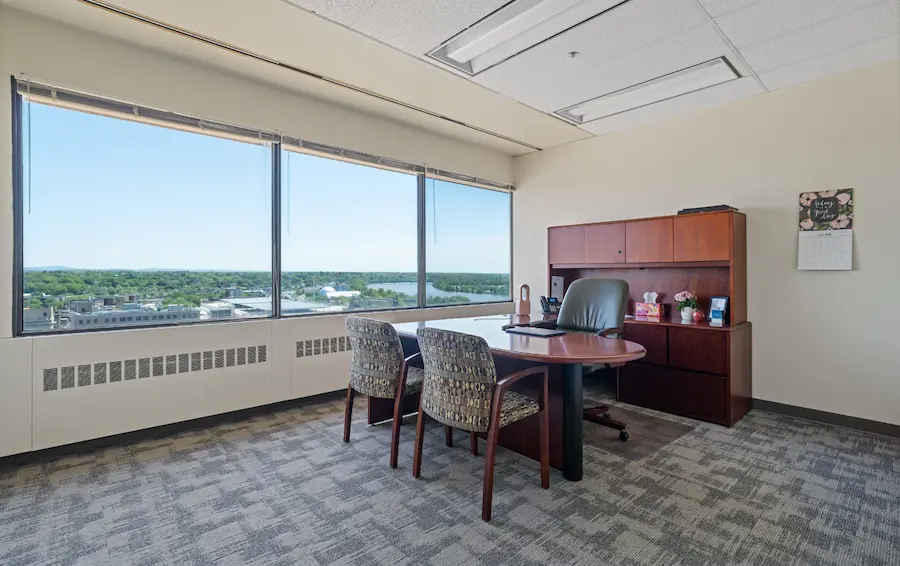
New Growth Recovery is an owner-led rehab center serving Springfield, Western Massachusetts, and Hampden County. We offer outpatient inhalant addiction treatment in a bright, modern space designed to promote dignity and healing.
Full-day programming (PHP) that combines individual therapy, group counseling, psychiatric support, and wellness services in a consistent clinical setting.
Day treatment (IOP) is a partial-day program offered in person or virtually. It provides therapy and support while allowing you to balance work, school, or family life.
After completing structured treatment, you will receive short-term transitional support. We connect you with long-term providers and community-based recovery resources.
Disclaimer: Due to Massachusetts licensing, New Growth Recovery uses “Extended Day Treatment” and “Day Treatment.” These are comparable to a Partial Hospitalization Program and an Intensive Outpatient Program, respectively.
Inhalant Withdrawal and When to Seek Help
Inhalant withdrawal symptoms vary. Some people experience anxiety, irritability, sleep problems, nausea, sweating, or strong cravings. Because inhalants affect the brain and oxygen levels, a medical evaluation is important before starting treatment.
You should seek professional support if:
You can’t stop using it despite the negative consequences
You experience cravings or withdrawal symptoms
Your mental health symptoms worsen
Your relationships or responsibilities are suffering
Our admissions team at New Growth Recovery addiction treatment center can help determine the safest next step and guide you to the right level of care. In addition to inhalant addiction treatment, we also provide stimulant addiction treatment for other substance use concerns.
Risk of Inhalant Overdose
High amounts of inhalants can affect heart rhythm, breathing, and awareness. A clinical assessment helps ensure you begin treatment safely and at the appropriate level of care.
You’ll receive treatment through most insurance providers, including MassHealth and out-of-network coverage. Get verification within 2 hours from our admissions team.
We can provide documentation for Massachusetts Paid Family and Medical Leave (PFML) when appropriate. Our team will help you understand the next steps.
How to Start Inhalant Treatment
Getting started is simple, whether you’re starting detox elsewhere, looking for placement, or seeking ongoing treatment.
1
Call or walk in to begin your intake
2
Speak with our team about your needs and history
3
Complete a substance abuse evaluation (can be done virtually)
4
Verify insurance or ask about payment options
5
Begin treatment as early as the same or the next day
Client Reviews About Our Inhalant Addiction Treatment
Posted on Google
Josh
Trustindex verifies that the original source of the review is Google.
Great clinicians that know about their work personally and really care about their participants wonderful place to find great people to have in your recovery journey
Posted on Google
kelly pete
Trustindex verifies that the original source of the review is Google.
Thank You💐
Posted on Google
Delina
Trustindex verifies that the original source of the review is Google.
New Growth was an incredible support throughout my personal recovery journey. Their dedicated, compassionate staff bring lived experience, and the client-centered environment truly feels like a real community. I would confidently refer anyone I know or care about who is seeking support.
Posted on Google
Steven Turrini
Trustindex verifies that the original source of the review is Google.
New growth is a great program that helps get to the root of the issue. Tim is great and I think his alumni meeting keeps showing people trying that it works!!👏
Posted on Google
Arianna Palazzi
Trustindex verifies that the original source of the review is Google.
New Growth has made a huge difference in my life. The staff here is amazing, they truly care about your recovery and go above and beyond to support you. Tim’s groups specifically made a big impact on me and really helped me through my time in the program. I felt heard, supported, and encouraged every step of the way. I would absolutely refer anyone who’s looking for help to come here.
Posted on Google
Christopher
Trustindex verifies that the original source of the review is Google.
I had a amazing experience at New Growth Recovery Center and am grateful for the support I received during a difficult time in my life. The staff was compassionate, knowledgeable, and genuinely committed to helping clients through recovery. From the clinical team to the support staff, I felt respected and understood rather than judged. The program offered a structured environment that helped me build healthier habits and better understand my substance use. Group sessions were especially impactful, providing a sense of community and connection with others facing similar challenges. I also appreciated the individualized attention in counseling sessions, which allowed me to work through personal issues at my own pace.
Posted on Google
Timothy McCarthy
Trustindex verifies that the original source of the review is Google.
New Growth was an amazing support in my personal recovery journey. Committed, compassionate staff with lived experience and a client culture that resembles real community. would refer to anyone I know/love seeking support.
Posted on Google
Billy Stoddard
Trustindex verifies that the original source of the review is Google.
Evan and the staff at New Growth have a very welcoming facility. It’s spacious and well kept. The clinical staff does a great job engaging and giving their clients the care they deserve. New Growth is my first call when anyone needs substance use outpatient resources in western MA
Posted on Google
Shannon Gillick
Trustindex verifies that the original source of the review is Google.
Best program I've ever been involved with! The staff our earth angels!!! Very beneficial programming and activities! I love New Growth Recovery! I thank God for making it possible for this kind of support and compassion!!!
FAQs About Inhalant Addiction Treatment
Are inhalants addictive?
Yes. Inhalants can lead to cravings, tolerance, and continued use despite harm. Ongoing misuse may develop into inhalant use disorder.
Are inhalants stimulants?
Inhalants are not stimulants, no. Most inhalants act as central nervous system depressants. They slow brain activity, though some may cause brief excitement before sedation.
How long does inhalant rehab last?
Treatment length depends on your needs. Many people begin with Extended Day Treatment and later step down to Day Treatment. Programs may last several weeks or longer based on clinical recommendations.
Can I attend inhalant rehab near me while working?
Yes. Our Day Treatment program offers flexible scheduling, including evening and virtual options, so you can continue managing daily responsibilities.
Do you treat mental health conditions along with inhalant addiction?
Yes. We provide dual diagnosis care for individuals with a primary substance use disorder and co-occurring mental health conditions. Psychiatric evaluation and ongoing support are included.
Is inhalant addiction dangerous?
Yes. Inhalant use can affect the heart and brain. A professional evaluation helps determine appropriate care.
Are inhalants illegal?
Many inhalants are legal household products. However, misusing them to get high or selling them for misuse may violate state or federal laws.
What happens after I complete treatment?
We offer short-term aftercare to support your transition after treatment. This includes help connecting with ongoing therapy, peer support, and local recovery resources in Springfield and the surrounding area.
Insurance Questions? Let’s Clear the Path to Your Recovery!
Please fill out the form below. You’ll typically receive a call within a couple of hours, and always within 24 hours. We’re here to help you every step of the way.