

For individuals experiencing severe psychiatric symptoms or unstable substance use, choosing between a Partial Hospitalization Program (PHP) and an Intensive Outpatient Program (IOP) depends on clinical severity. Choose a PHP if you require daily medical monitoring, intensive therapy for five to six hours a day, and structured stabilization while still returning home at night. Choose an IOP if you are transitioning from residential care, require moderate clinical support for nine to fifteen hours a week, and must maintain external duties like work or school. PHP provides maximum daytime containment and safety, whereas IOP offers the flexibility needed to practice coping skills in real-world scenarios. Both programs serve as critical bridges in the continuum of psychiatric and addiction care. Making the right choice ensures you receive the appropriate level of support without over- or under-treating your condition. At New Growth Recovery, we offer tailored outpatient options to meet you exactly where you are in your recovery journey.
Disclaimer: The information provided in this article is for educational purposes only and should not replace professional medical advice, diagnosis, or treatment. Always consult with a qualified healthcare provider or mental health professional to determine the safest and most effective clinical plan for your unique situation.
What is the Difference Between PHP and IOP?

The primary difference between PHP and IOP lies in the intensity of clinical hours and the level of medical supervision provided each week. A Partial Hospitalization Program represents the highest level of ambulatory care, offering clinical services for five to seven days per week, typically totaling twenty to thirty hours of treatment. Patients in a PHP remain under close psychiatric monitoring, which often includes regular medication management visits and direct nursing support. Conversely, an Intensive Outpatient Program provides a more flexible schedule, typically meeting three to five days per week for a total of nine to fifteen hours. IOP participants have fewer medical check-ins and focus heavily on group psychotherapy, relapse prevention, and skill-building.
While both programs allow patients to sleep in their own beds at night, PHP is designed to prevent full hospitalization for individuals in acute distress, whereas IOP is built to support those who are clinically stable but still require structured therapeutic intervention. If you are seeking comprehensive help in Massachusetts, exploring a tailored drug PHP in Springfield MA can provide the structure necessary to rebuild your life. The higher frequency of PHP visits allows clinicians to closely observe symptom progression and adjust treatment protocols rapidly. This is particularly critical for those adjusting to new psychiatric medications or navigating early withdrawal symptoms.
Understanding these differences helps individuals and their families make informed decisions. A mismatched level of care can lead to poor treatment outcomes. For instance, entering a program that is too intensive can cause unnecessary stress and disrupt healthy daily routines. On the other hand, choosing a program that lacks sufficient structure might not provide the containment needed to prevent a relapse. Consulting with an experienced clinical team is always the best way to determine which pathway aligns with your specific recovery goals.
Understanding PHP IOP Meaning and Structure
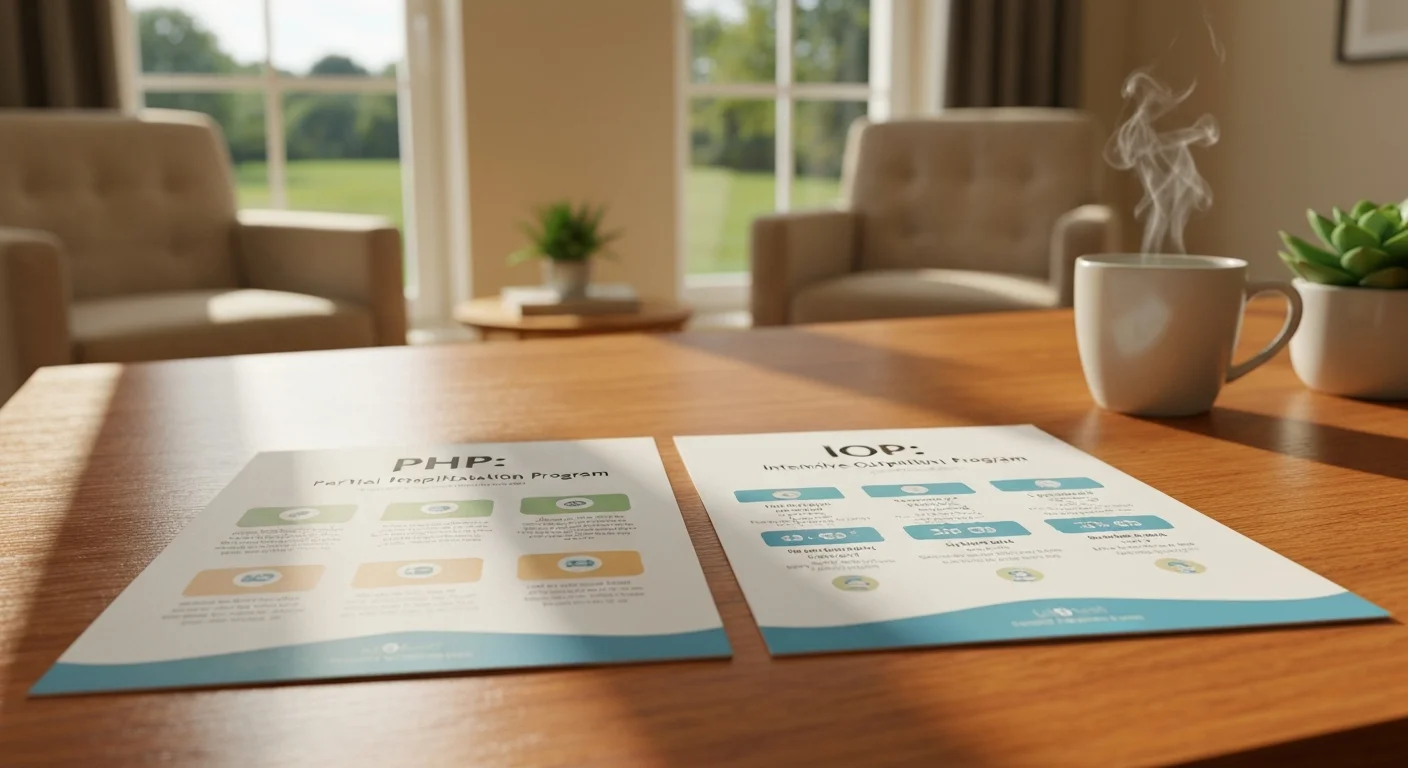
The clinical meaning of PHP and IOP relates to structured, non-residential treatment levels designed to treat mental health and substance use disorders. These programs serve as vital steps in the continuum of care defined by the American Society of Addiction Medicine. A PHP operates similarly to a full-time school or work week, where patients arrive in the morning, participate in multiple therapeutic groups, receive individual counseling, and return home in the late afternoon. This high-density structure helps stabilize individuals who are experiencing severe clinical disruptions.
An IOP operates on a part-time basis, often offering morning or evening sessions to accommodate employment, education, or caregiving responsibilities. Both levels of care rely on evidence-based modalities like Cognitive Behavioral Therapy (CBT) and Dialectical Behavior Therapy (DBT). These therapies help individuals develop emotional regulation, distress tolerance, and healthy coping mechanisms. By offering a middle ground between inpatient hospitalization and traditional once-weekly outpatient therapy, these programs prevent patients from falling through the cracks of the healthcare system. To better understand the structural differences, consider this breakdown of daily operations:
- Daily Time Commitment: PHP sessions typically last five to six hours per day. IOP sessions are shorter, usually lasting three hours per day.
- Medical and Psychiatric Oversight: PHP includes regular access to psychiatrists and nurses for medication adjustments. IOP focus is primarily therapeutic, with minimal medical check-ins.
- Therapeutic Environment: PHP provides a highly contained environment to prevent immediate safety risks. IOP encourages patients to actively engage with the outside world while receiving support.
- Treatment Focus: PHP emphasizes acute stabilization and symptom management. IOP focuses on community reintegration, occupational skills, and relapse prevention.
By offering these distinct pathways, modern behavioral healthcare allows for highly personalized treatment. Patients do not have to put their lives entirely on hold to receive top-tier professional help. Instead, they can select the level of structure that matches their psychiatric needs while maintaining vital connections to their families and support systems.

Is Partial Hospitalization Considered Outpatient Treatment?
Partial hospitalization is legally and clinically classified as a form of outpatient treatment because patients do not reside overnight at the facility. Despite the word “hospitalization” in its name, PHP falls under the broad category of ambulatory care, meaning you return to your own home or a sober living environment each evening. According to the Centers for Medicare & Medicaid Services, PHP is categorized as an intensive outpatient service designed for individuals who would otherwise require inpatient psychiatric admission. This distinction is critical for insurance coverage, as major providers review clinical necessity to determine if a patient requires the intensive daytime structure of a PHP or if they can be safely treated in a standard drug IOP in Springfield MA.
Because you do not live at the treatment center, you maintain connection with your supportive family environment while receiving professional medical and therapeutic care during the day. This setup allows you to practice recovery skills in real-time within your community. It also helps reduce the institutionalization effect often associated with long-term inpatient stays. Patients can test their coping mechanisms in the real world every evening and discuss their challenges with clinicians the following morning.
For accurate and up-to-date pricing details, insurance verification, and to learn about available payment options, please contact our administrative team directly. Insurance plans often have specific authorization requirements for PHP and IOP levels of care. Our staff can help you navigate these complex requirements, ensuring you receive the maximum benefits allowed under your policy without unnecessary delays or administrative stress.
Choosing Between IOP vs PHP Mental Health Programs
Deciding between an IOP or PHP for mental health depends on your current level of safety, daily functioning, and psychiatric stability. Clinical professionals evaluate several key areas to determine the most appropriate placement. These include acute intoxication or withdrawal potential, biomedical conditions, and emotional or behavioral conditions. A common professional mistake to avoid is prematurely stepping down to an IOP simply to accommodate a work schedule when acute psychiatric symptoms still warrant the protective structure of a PHP. Attempting to balance full-time employment while dealing with severe, unmanaged mental health symptoms often leads to treatment burnout or relapse.
To ensure safety and efficacy, clinical teams utilize standardized assessment tools to measure progress. For instance, data from the Substance Abuse and Mental Health Services Administration (SAMHSA) indicates that approximately 45% of patients transitioning from inpatient care to a PHP experience significantly lower readmission rates within 30 days. Matching patients to the correct level of care based on clinical severity significantly improves long-term recovery outcomes. It also helps individuals build a more sustainable foundation for ongoing health.
If your daily functioning is severely impaired, starting with PHP provides the medical oversight needed to adjust medications and stabilize symptoms before transitioning to a more flexible program. At New Growth Recovery, our clinical experts conduct comprehensive, compassionate evaluations to help you determine the safest starting point. We believe in meeting you where you are, ensuring your treatment plan respects your dignity and aligns with your unique recovery goals.
PHP vs IOP for Depression and Anxiety Recovery

Utilizing PHP vs IOP for depression and severe anxiety depends heavily on the severity of your depressive episodes and your level of daily functioning. For individuals experiencing severe, paralyzing depression, a PHP offers a safe, highly structured container where they can receive daily psychiatric monitoring, medication adjustments, and continuous therapeutic support. This prevents the isolation that often worsens depressive disorders and provides immediate crisis intervention if needed.
Data compiled by the National Institute of Mental Health shows that early, intensive intervention for severe depressive disorders drastically reduces the risk of self-harm and accelerates symptomatic relief. Furthermore, according to research published by the Molecular Psychiatry Journal, structured outpatient interventions reduce psychiatric relapse rates by up to 35% compared to standard weekly therapy. These statistics underscore the immense value of structured daytime programs over isolated weekly counseling sessions.
For moderate depression or generalized anxiety, an IOP may be the ideal choice, allowing individuals to actively confront daily stressors while receiving professional guidance. In an IOP, you can immediately practice behavioral activation techniques and cognitive reframing learned in group sessions within your everyday environment. This interactive approach helps build resilience and prevents the avoidance behaviors commonly associated with severe anxiety disorders. It allows you to maintain your job, attend school, and stay connected with your family while actively healing.
Direct Comparison: Analyzing PHP and IOP Features
Comparing the core components of PHP and IOP helps clarify which program aligns with your clinical needs and daily lifestyle. While both pathways prioritize psychiatric stabilization, their operational demands, clinical hours, and therapeutic targets differ significantly. Below is a detailed comparison of the key features of each program to assist in your decision-making process.
| Feature Compared | Partial Hospitalization Program (PHP) | Intensive Outpatient Program (IOP) |
|---|---|---|
| Weekly Hours | 20 to 30 hours per week | 9 to 15 hours per week |
| Medical Supervision | High (Daily access to psychiatrists/nurses) | Moderate to Low (Focus on therapy and counseling) |
| Daily Structure | Full-day sessions (5-6 hours/day, 5-7 days/week) | Half-day sessions (3 hours/day, 3-5 days/week) |
| Work/School Flexibility | Limited (Requires daytime commitment) | High (Offers morning or evening sessions) |
| Primary Goal | Acute stabilization and crisis prevention | Skill application and community reintegration |
As illustrated in the table, PHP offers a highly concentrated dose of clinical care, making it ideal for those in acute transition phases. IOP provides a structured step-down or an entry-level option for those who already possess some degree of emotional stability and a supportive home environment. Both programs utilize group therapy as a primary tool for cultivating peer support and developing healthy interpersonal communication skills.
According to a study published in the Journal of Substance Abuse Treatment, intensive outpatient programs show a high treatment retention rate of approximately 50% to 70%, which is comparable to residential programs. This evidence proves that high-quality outpatient programs are highly effective at keeping individuals engaged in their recovery journeys over the long term, provided they are matched to the correct clinical level from the start.
Transitioning Levels of Care: From PHP to IOP
Stepping down from a Partial Hospitalization Program to an Intensive Outpatient Program is a highly recommended clinical progression that ensures long-term recovery success. Rather than abruptly ending treatment after completing a PHP, transitioning to an IOP provides a structured safety net that prevents relapse. This step-down process allows you to gradually rebuild your independence while maintaining regular contact with your clinical support team. It serves as a bridge, helping you integrate back into society without feeling overwhelmed.
During this transition, your weekly therapy hours decrease, giving you more time to focus on personal goals. You can begin returning to work, attending school, or healing family dynamics. Your clinical team will continually monitor your coping strategies during this phase. They can adjust your treatment plan as you face real-world challenges, ensuring you always have the right level of support. This gradual reduction of clinical containment reinforces your self-efficacy, helping you build a solid foundation for lasting health and wellness.
At New Growth Recovery, we prioritize seamless transitions between different levels of care. Our multidisciplinary team collaborates closely to ensure that your progress in PHP is fully integrated into your IOP treatment plan. We coordinate therapy goals, medication management, and family support strategies to provide a continuous, unified healing experience. This cohesive approach minimizes gaps in care and ensures that you always feel supported, respected, and empowered as you move forward in your recovery at center for addiction treatment.
FAQ
What is the difference between PHP and IOP?
The main difference is the intensity and time commitment of each program. PHP requires twenty to thirty hours of treatment per week with daily medical supervision, while IOP requires nine to fifteen hours per week with a greater focus on clinical group therapy and scheduling flexibility.
How do I know if I need a PHP or an IOP?
You should choose a PHP if you are experiencing severe symptoms that impair your daily functioning but do not require 24-hour confinement. An IOP is best if you are transitioning from residential care, have a supportive home environment, and can safely manage daily tasks with part-time clinical support.
Is partial hospitalization considered outpatient treatment by insurance?
Yes, insurance companies categorize partial hospitalization as an intensive form of outpatient treatment. Since you do not stay overnight at the facility, it falls under ambulatory care benefits rather than inpatient hospital benefits.
Can I work or go to school while enrolled in an IOP?
Yes, most intensive outpatient programs are designed with flexible scheduling, including morning or evening sessions, to accommodate work or school. This structure allows you to maintain your daily responsibilities while receiving high-quality professional care.
Which program is better for treating severe depression?
A PHP is typically better for severe depression, as it provides daily clinical structure, intensive therapy, and close psychiatric medication management. Once you achieve basic stability, you can safely transition to an IOP to continue your recovery.
When is it safe to step down from a PHP to an IOP?
It is safe to step down when your psychiatric symptoms are stable, you no longer require daily medical monitoring, and you can consistently practice coping skills at home. Your clinical treatment team will conduct a thorough assessment to make this determination.