
For individuals suffering from acute post-surgical discomfort, short-term, strictly supervised tramadol use under direct physician guidance remains a viable clinical tool. For individuals struggling with chronic pain or those with a personal history of substance use, non-opioid pain management or specialized support from an addiction treatment center provides a far safer pathway to healing. This distinction exists because tramadol is a synthetic opioid and serotonin-norepinephrine reuptake inhibitor (SNRI) that carries a significant risk of physical dependence and psychological addiction. Misinterpreting tramadol as a harmless, non-addictive painkiller is one of the most common mistakes patients and healthcare consumers make. Because it acts on two distinct chemical pathways in the brain, stopping tramadol requires specialized care to manage both traditional opioid withdrawal and antidepressant-like discontinuation symptoms. Understanding how this unique medication affects your body, recognizing the signs of misuse early, and accessing comprehensive clinical support can mean the difference between prolonged suffering and lasting recovery.
Medical Disclaimer: The information provided in this article is for educational and informational purposes only and is not a substitute for professional medical advice, diagnosis, or treatment. Always consult a qualified healthcare provider or addiction professional regarding any medical condition or substance use concern.
What Is Tramadol and Is It Considered a Synthetic Opioid Narcotic?
Tramadol is a prescription pain medication classified as a central nervous system analgesic that binds to mu-opioid receptors while simultaneously inhibiting the reuptake of serotonin and norepinephrine. When patients ask whether tramadol is a narcotic or an opioid, the definitive clinical answer is yes. Although synthesized in a laboratory rather than derived directly from the opium poppy plant, its chemical structure enables it to produce typical opioid effects, including pain relief, sedation, and physical relaxation. In 2014, the United States Drug Enforcement Administration placed tramadol on Schedule IV under the Controlled Substances Act after mounting evidence demonstrated its potential for abuse and dependence.
Unlike classic opioids such as morphine or codeine, tramadol delivers a dual-action mechanism. Roughly 30% of its pain-relieving action comes from its primary metabolite, O-desmethyltramadol, which activates opioid receptors in the spinal cord and brain. The remaining mechanism functions much like a dual-action antidepressant, altering the levels of neurotransmitters responsible for mood regulation and pain signaling. According to research published by the National Center for Biotechnology Information, this dual chemical influence makes tramadol distinctly complex when processed by human metabolism, particularly for individuals who naturally metabolize medications faster or slower than average.
Tramadol is prescribed under several brand names, including Ultram, ConZip, and Ultracet (when combined with acetaminophen). It is manufactured in both immediate-release formulations for acute pain and extended-release versions designed for continuous pain management. Despite its lower regulatory classification compared to Schedule II drugs like oxycodone, tramadol activates the brain’s reward pathway in a similar manner, generating feelings of warmth and emotional numbness that can quickly lead to psychological reliance.
Is Tramadol Addictive? Dual-Action Mechanism and Abuse Risks

Tramadol is addictive, and its dual-action impact on the central nervous system creates a unique two-fold risk for physical dependence and psychological addiction. While early pharmaceutical positioning suggested tramadol carried a minimal addiction risk compared to heavier narcotics, clinical outcomes over the past decade have disproven this assumption. When taken over extended periods or in doses higher than prescribed, the brain adapts to both the influx of opioid receptor stimulation and altered neurotransmitter levels, leading to tolerance.
As tolerance builds, individuals need larger doses to achieve the same degree of pain relief or emotional calm. This shift often marks the transition from therapeutic use to tramadol abuse. According to the SAMHSA National Survey on Drug Use and Health, an estimated 1.5 million Americans aged 12 or older mismanaged or abused prescription tramadol in recent study years. Addiction develops not merely from seeking a high, but frequently from trying to avoid the intense emotional low and physical aching that occurs when the medication wears off.
The dual nature of tramadol means that psychological addiction can form rapidly. Users often report feeling an unexpected energy boost, elevated mood, or relief from chronic anxiety alongside pain suppression. This antidepressant-like effect makes the drug psychologically reinforcing. Individuals managing co-occurring mental health conditions such as anxiety or depression are particularly vulnerable, making integrated dual diagnosis treatment options a vital component of long-term recovery.
Recognizing the Signs and Symptoms of Tramadol Misuse
Identifying tramadol misuse early requires paying close attention to subtle changes in behavior, mood, physical health, and prescription habits. Because tramadol is often perceived as a lighter pain reliever, family members and even patients themselves may overlook early warning signs until dependence has firmly established itself in daily life.
Physical indicators of misuse include persistent drowsiness, constricted pupils, sudden nausea, chronic constipation, uncharacteristic dizziness, and unexplained sweating. Beyond physical symptoms, changes in daily routines and psychological functioning often signal a developing substance use disorder.
Common behavioral and emotional signs of tramadol misuse include:
- Requesting early prescription refills or reporting lost prescriptions repeatedly to healthcare providers.
- Doctor shopping, or visiting multiple clinics to obtain concurrent prescription fills.
- Taking tramadol in higher dosages, more frequently, or via unprescribed methods such as crushing or chewing tablets.
- Uncharacteristic mood swings, sudden agitation, or unexplained periods of intense euphoria followed by lethargy.
- Withdrawing from social activities, family responsibilities, and professional commitments.
- Continuing to consume the medication even after the initial medical condition or pain trigger has fully resolved.
- Experiencing extreme anxiety or flu-like symptoms when missing a scheduled dose.
Can You Overdose on Tramadol? Seizures and Serotonin Syndrome
You can overdose on tramadol, and doing so carries life-threatening complications that differ significantly from standard opioid overdoses. While typical opioid toxicity primarily results in severe respiratory depression and loss of consciousness, tramadol toxicity presents a severe dual danger: central nervous system depression combined with central nervous system excitation, including grand mal seizures and fatal serotonin toxicity.
When an individual ingests excessive amounts of tramadol—or combines it with alcohol, sedatives, or illicit substances—the brain is overwhelmed by excessive opioid stimulation and dangerous levels of serotonin. According to reports from the Centers for Disease Control and Prevention, emergency department visits involving synthetic opioid toxicity frequently highlight the danger of poly-substance interactions. Serotonin syndrome is a potentially fatal condition characterized by confusion, rigid muscles, severe tremors, rapid heart rate, high fever, and sudden spikes in blood pressure.
Tramadol Withdrawal Timeline: What to Expect During Detox
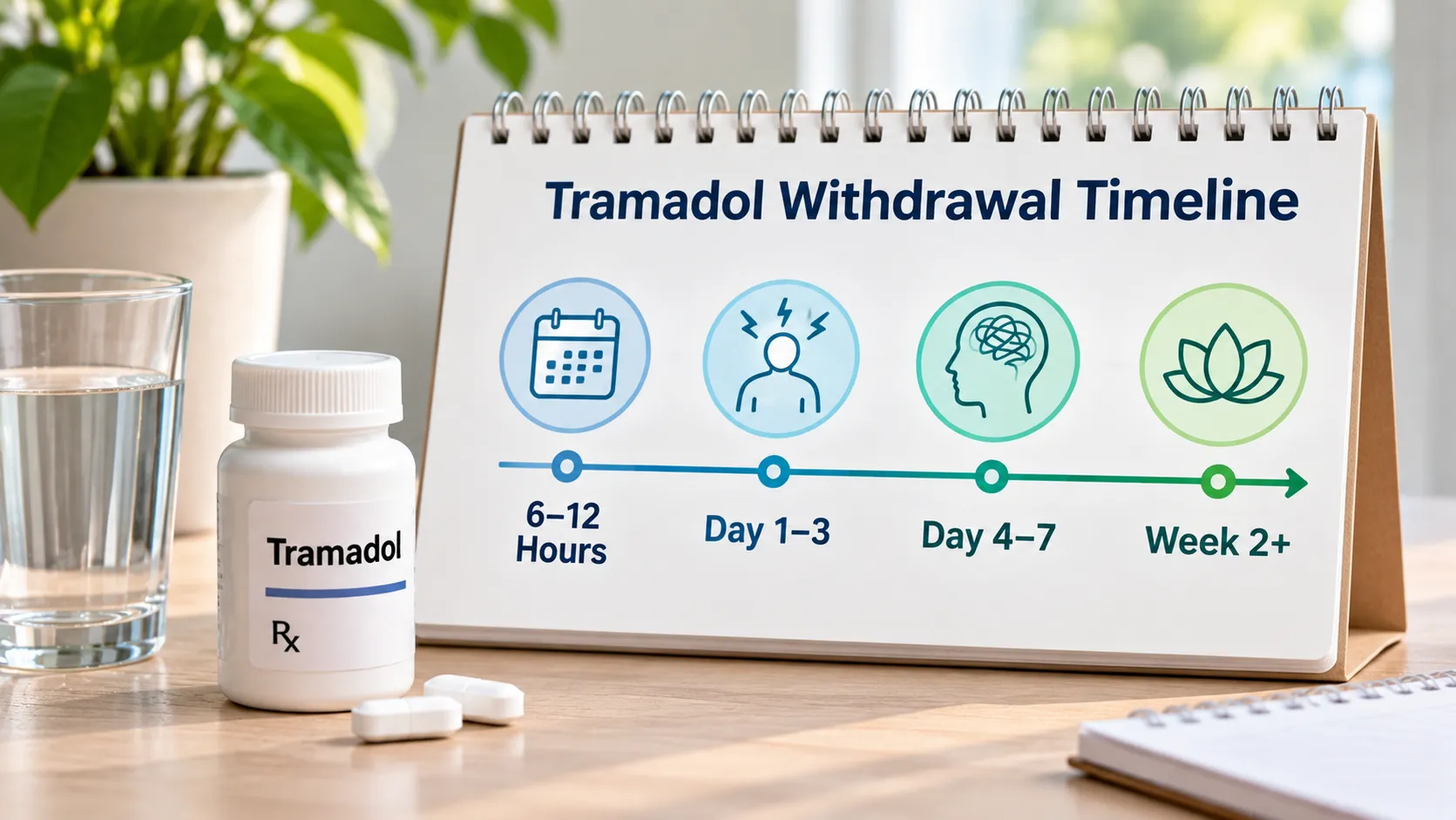
Navigating withdrawal from tramadol presents distinct challenges because patients experience two concurrent withdrawal syndromes: classic opioid abstinence syndrome and antidepressant discontinuation syndrome. As a clinical practitioner, one of the most common professional mistakes I see is attempting to quit tramadol abruptly “cold turkey” without medical oversight. Sudden cessation can trigger severe neurological rebound effects, intense rebound pain, profound panic attacks, and electric shock sensations in the brain.
The physical detox phase generally begins within 8 to 24 hours after the last dose, depending on whether immediate-release or extended-release formulations were used. The intensity of symptoms usually peaks between days 3 and 5 before gradually tapering over two to three weeks. However, psychological symptoms can linger for several months if unsupported by therapy.
The typical progression of tramadol withdrawal unfolds in distinct stages:
- Stage 1: Early Onset (Hours 8 to 24) — Initial symptoms include escalating anxiety, restless leg syndrome, watery eyes, runny nose, sweating, excessive yawning, and difficulty falling asleep.
- Stage 2: Peak Intensity (Days 2 to 5) — Physical distress escalates to deep muscle aches, abdominal cramping, severe nausea, vomiting, diarrhea, body tremors, and elevated heart rate. Simultaneously, atypical withdrawal symptoms emerge, such as “brain zaps” (electric shock sensations in the head), severe panic attacks, intense irritability, and disorientation due to rapid serotonin drop-offs.
- Stage 3: Subsiding Physical Symptoms (Days 6 to 10) — Gastrointestinal distress and severe body aches begin to fade, though profound fatigue, insomnia, body chills, and persistent drug cravings remain high.
- Stage 4: Post-Acute Withdrawal Symptoms (Weeks 2 and Beyond) — Psychological symptoms, including protracted anxiety, mild to moderate depression, emotional volatility, and sleep disturbances, can persist as the brain rebalances its natural neurotransmitter production.
Enrolling in structured clinical support, such as our tailored opioid rehab services, helps manage these dual-withdrawal symptoms safely under compassionate medical supervision.
Comparing Tramadol to Other Common Prescription Opioids
Understanding how tramadol compares to other prescription pain relievers clarifies why its risk profile is uniquely complex despite its Schedule IV classification. While many patients assume a Schedule IV drug is inherently harmless, its dual neurotransmitter action creates risks not present in conventional Schedule II opioids.
| Medication Name | Primary Mechanism of Action | DEA Schedule Class | Unique Clinical Risks |
|---|---|---|---|
| Tramadol (Ultram) | Mu-opioid agonist + Serotonin & Norepinephrine reuptake inhibitor | Schedule IV | Seizures, Serotonin Syndrome, atypical dual-withdrawal syndrome |
| Hydrocodone (Vicodin, Norco) | Semi-synthetic mu-opioid receptor agonist | Schedule II | High addiction liability, severe respiratory depression, liver risk (when combined with acetaminophen) |
| Oxycodone (Percocet, OxyContin) | Semi-synthetic mu-opioid receptor agonist | Schedule II | Extreme abuse potential, rapid tolerance buildup, high risk of fatal overdose |
| Morphine (MS Contin) | Natural opioid receptor agonist | Schedule II | High potency, profound sedation, rapid physical dependence development |
While hydrocodone and oxycodone carry higher potency at the mu-opioid receptor, tramadol’s unpredictability in liver metabolism makes dosing risky. Individuals who are “ultra-rapid metabolizers” convert tramadol into its active metabolite much faster than normal, exposing them to unexpected opioid toxicity even at standard prescribed doses.
Pathways to Healing: Comprehensive Treatment Options for Tramadol Addiction
Overcoming tramadol dependence requires an individualized care plan that addresses both the physical habituation to opioids and the neurochemical imbalances stemming from its SNRI action. Recovery is not merely about stopping drug use; it is about rebuilding a fulfilling, healthy life grounded in emotional balance, personal dignity, and physical safety.
Treatment typically begins with a medical detox referral or specialized tapering schedule supervised by healthcare professionals. Tapering the medication gradually prevents the severe psychological shock of serotonin depletion while easing physical opioid cravings. Once medically stable, individuals transition into structured outpatient levels of care, such as Extended Day Treatment (PHP) or Intensive Outpatient Programs (IOP). These options allow adults to receive structured clinical care during the day while returning home to their families each evening.
Evidence-based modalities play a central role in long-term recovery:
- Cognitive Behavioral Therapy (CBT): Helps patients identify maladaptive thought patterns, manage chronic pain without substances, and build healthy coping mechanisms for stress.
- Dialectical Behavior Therapy (DBT): Teaches emotional regulation, distress tolerance, and mindfulness techniques to navigate cravings and prevent relapse.
- Group Therapy: Fosters peer support, reducing the isolation and shame often associated with prescription drug dependence.
- Family Therapy: Educates loved ones, repairs trust, and establishes a supportive home environment conducive to healing.
Choosing a dedicated recovery partner provides access to structured aftercare, peer support groups, and ongoing clinical check-ins that protect your long-term wellness.
Take the First Step Toward Lasting Recovery Today

Living with tramadol dependence or watching a loved one struggle with prescription painkiller misuse can feel overwhelming, isolating, and exhausting. You do not have to navigate this complex journey alone. Receiving professional support from an addiction treatment center offers a safe, nonjudgmental environment where compassionate experts help you regain control of your health and future.
Professional treatment provides the clinical structure, evidence-based therapies, and medical guidance necessary to address both the physical and psychological aspects of tramadol addiction. At New Growth Recovery, located in Springfield, Massachusetts, our team is committed to delivering personalized outpatient care tailored to your unique story. With fast access to care, trauma-informed therapy, dual diagnosis support, and flexible program schedules, we walk alongside you every step of the way. Reach out to our compassionate team today to speak with an admissions specialist and take your first step toward lasting hope, dignity, and recovery.

FAQ
What makes tramadol different from standard prescription opioids?
Tramadol differs from standard opioids because it possesses a dual-action mechanism. In addition to binding to mu-opioid receptors in the brain to block pain signals, it acts as a serotonin and norepinephrine reuptake inhibitor (SNRI). This dual action impacts mood regulation similarly to an antidepressant while providing pain relief.
How long does it take to become physically dependent on tramadol?
Physical dependence on tramadol can develop in as little as two to three weeks of continuous daily use, even when taking the medication exactly as prescribed by a physician. The brain adapts quickly to the altered chemical signals, requiring tapering to discontinue safely.
Is tramadol safer to take long-term than oxycodone or hydrocodone?
While tramadol is classified under Schedule IV and has lower opioid receptor affinity than Schedule II drugs like oxycodone, it is not risk-free. Long-term tramadol use carries unique hazards, including lowered seizure thresholds, serotonin syndrome, and complex psychological withdrawal symptoms.
Can naloxone (Narcan) reverse a tramadol overdose?
Naloxone can reverse the dangerous respiratory depression caused by the opioid component of a tramadol overdose. However, naloxone does not reverse tramadol-induced seizures or serotonin syndrome, requiring immediate emergency hospital care.
What are “brain zaps” during tramadol withdrawal?
“Brain zaps” are brief, uncomfortable electric shock-like sensations experienced in the head during tramadol discontinuation. They occur due to sudden drops in synaptic serotonin levels, mirroring the withdrawal symptoms experienced when stopping SNRI or SSRI antidepressants.
How can an outpatient addiction treatment center help with tramadol recovery?
An outpatient rehabilitation center provides flexible, structured treatment plans—including Extended Day Treatment (PHP), Intensive Outpatient Programs (IOP), and individual therapy—that allow you to heal while maintaining daily work and family responsibilities. Clinical teams guide you through evidence-based therapy, relapse prevention, and comprehensive aftercare planning.