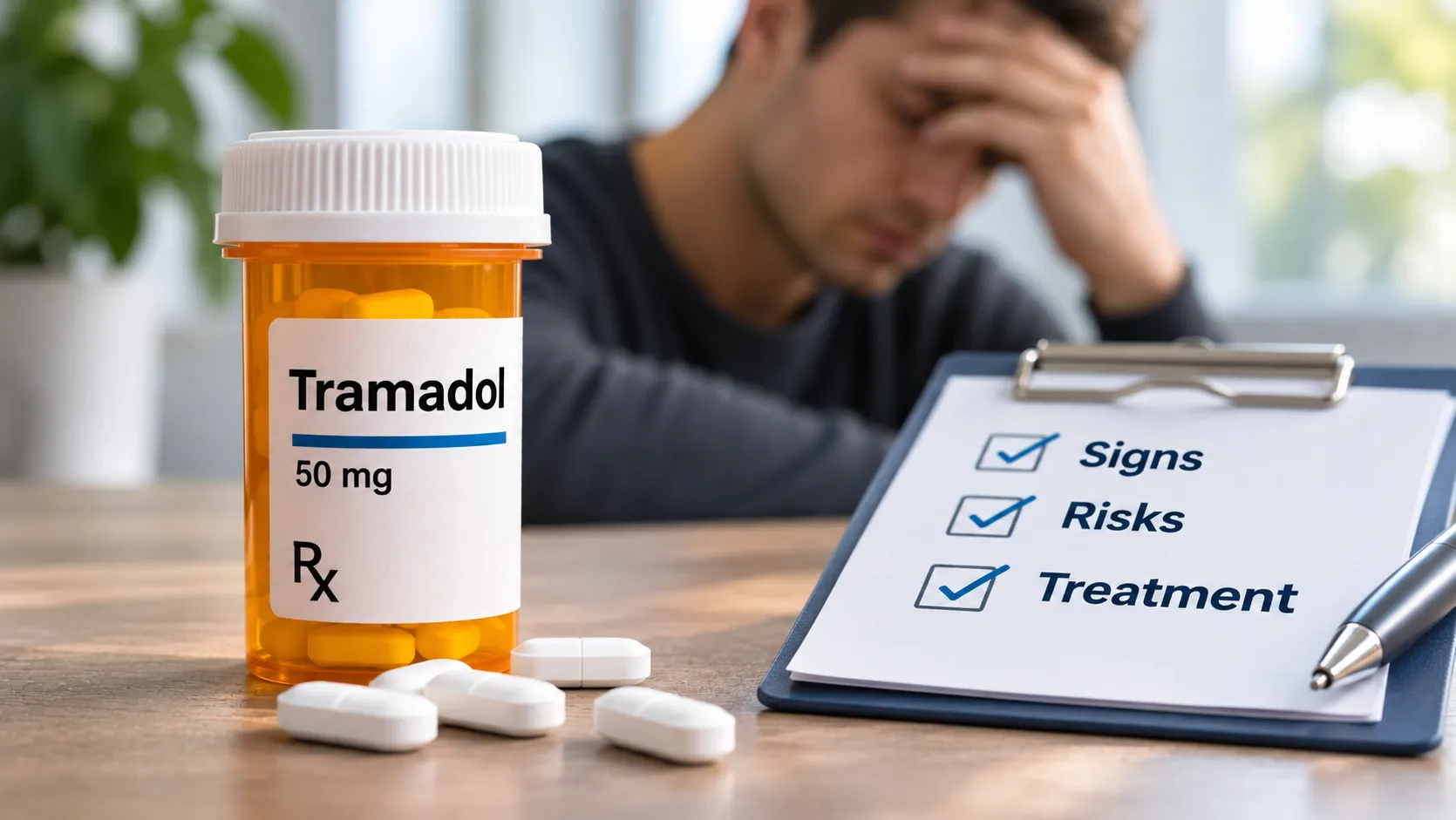

For individuals facing severe substance dependence, physical withdrawal, or out-of-control cravings, seeking immediate professional intervention through a structured outpatient program or detox referral offers the safest, most effective path forward. For those noticing early warning signs or mild changes in daily habits, scheduling a clinical evaluation with a licensed therapist allows for effective early intervention before physical tolerance deepens. Substance use disorders progress along a broad spectrum, and matching the level of care to specific clinical needs ensures safety, stability, and long-term recovery. Recognizing the signs early gives families and individuals the best opportunity to reverse chemical dependence and rebuild daily life.
Disclaimer: The information provided in this article is for educational purposes only and should not replace professional medical advice, diagnosis, or clinical evaluation. If you or someone you know is experiencing severe medical distress, overdose risk, or an acute mental health crisis, please contact emergency services or a qualified medical professional immediately.
Defining the Condition: What Is an Addiction and How Does It Develop?
Understanding what is an addiction begins with recognizing it as a complex, chronic brain disorder rather than a lack of moral strength or personal discipline. Repeated exposure to chemical substances fundamentally alters the brain’s natural reward system. According to clinical studies published by the National Institute on Drug Abuse, drugs and alcohol flood the brain with dopamine, reinforcing substance-seeking behavior until voluntary control becomes impaired.
Over time, chronic substance use alters neural pathways involved in learning, memory, judgment, and stress regulation. As these biological shifts take hold, an individual experiences intense physical cravings and psychological reliance. The compulsion to acquire and use substances persists even when negative consequences accumulate in personal relationships, financial stability, and physical health.
Distinguishing between a casual habit and a clinical substance use disorder comes down to control, compulsion, and disruption. A habit is a routine behavior that a person can pause or discontinue without severe distress or biological withdrawal. In contrast, addiction drives compulsive behavior despite serious personal consequences, often making drug addiction treatment necessary to address dependence and break the cycle of substance use.
Physical and Behavioral Drug Addiction Symptoms to Watch For
Identifying drug addiction symptoms early can help families intervene before a physical dependence leads to severe health emergencies. Data reported by the Substance Abuse and Mental Health Services Administration shows that over 48 million Americans meet the diagnostic criteria for a substance use disorder each year. Recognizing the physical and behavioral manifestations of drug use is often the first step toward effective treatment.
Physical changes vary depending on the chemical substance involved, but standard warning signs are noticeable across most forms of drug misuse. These physiological signs reflect the body’s physical adaptation to toxins and altered metabolic function:
- Unexplained weight loss or rapid weight gain due to altered appetite patterns.
- Chronic fatigue, erratic sleep schedules, or severe insomnia.
- Persistent bloodshot eyes, dilated or constricted pupils, and frequent nosebleeds.
- Poor physical coordination, slurred speech, or noticeable hand tremors.
- Neglect of personal hygiene, grooming habits, and general self-care.
Behavioral changes often emerge alongside physical symptoms as an individual shifts daily focus toward acquiring and using substances. These red flags frequently disrupt normal routines and home life:
- Unexplained financial issues, frequent requests to borrow money, or missing household funds.
- Increased secrecy, defensive reactions when questioned, and lying about daily locations.
- Decline in work or academic performance, accompanied by unexcused absences.
- Sudden withdrawal from long-term social circles in favor of new peer groups.
- Abandonment of favorite hobbies, athletic pursuits, or family traditions.

Emotional and Psychological Symptoms of Addiction
The emotional impact of substance abuse profoundly alters a person’s mood, self-perception, and cognitive processing. Chronic chemical exposure disrupts neurotransmitters responsible for regulating emotional stability. As a result, individuals experiencing symptoms of addiction often endure severe mood swings, sudden irritability, unprovoked anger, and prolonged depressive episodes.
Psychological symptoms also manifest as constant cognitive fixation. A person living with chemical dependence dedicates excessive mental energy to planning their next dose, hiding substance supplies, or fearing the onset of withdrawal. This persistent anxiety creates severe emotional exhaustion, making it difficult to perform daily tasks or engage in healthy communication.
Untreated trauma, mood disorders, and anxiety frequently fuel compulsive substance use. When emotional distress co-occurs with dependence, an integrated dual diagnosis treatment program addresses both the underlying psychological challenges and the substance abuse simultaneously. Treating both aspects together leads to more durable long-term recovery outcomes.
Stages of Substance Use: From Initial Use to Dependence
Substance dependence rarely develops instantly. Instead, it evolves along a continuous pathway marked by physiological and psychological changes. According to research monitored by the Centers for Disease Control and Prevention, early identification during initial stages significantly improves treatment outcomes and lowers relapse rates.
| Stage of Use | Clinical Characteristics & Symptoms | Recommended Level of Care |
|---|---|---|
| 1. Experimental Use | Occasional consumption driven by curiosity or social settings; no physical dependence. | Preventative education, brief counseling intervention. |
| 2. Regular & Hazardous Use | Routine substance use patterns; building tolerance and minor schedule disruptions. | Outpatient addiction counseling, individual therapy. |
| 3. Psychological Dependence | Substance used as a primary coping tool; rising tolerance and secretiveness. | Intensive Outpatient Program (IOP), group therapy. |
| 4. Severe Substance Disorder | Compulsive use despite health or legal costs; intense physical withdrawal signs. | Detox referral, Extended Day Treatment (PHP), structured rehab. |
As tolerance increases, higher doses are required to achieve the initial baseline effect. This progression accelerates physical dependence, making unassisted cessation dangerous. Recognizing where a person sits on this spectrum allows clinical teams to tailor treatment intensity appropriately.
Common Professional Mistakes in Identifying Addiction

Accurate identification of substance misuse requires clinical experience and nuanced assessment. Relying on outdated stereotypes or surface observations can delay vital clinical care. One widespread professional mistake is assuming that individuals who maintain employment or high academic achievement cannot suffer from severe substance dependence. High-functioning addiction frequently masks severe biological cravings behind external professional success.
Another diagnostic error occurs when clinicians evaluate emotional distress in isolation without screening thoroughly for active substance misuse. Misattributing stimulant-induced agitation or alcohol-induced depression solely to primary psychiatric conditions leads to ineffective care plans. Conducting a comprehensive assessment at an accredited professional facility prevents misdiagnosis.
How to Evaluate Outpatient Care Options and Seek Treatment
Choosing the right clinical environment depends on medical history, substance type, and daily responsibilities. Outpatient rehabilitation programs provide structured therapeutic interventions while allowing participants to reside at home and maintain family commitments. This balance provides real-world practice for applying recovery skills in daily life environments.
Intensive programs — such as Extended Day Treatment (PHP) and Intensive Outpatient Programs (IOP) — offer daily individual counseling, evidence-based therapy sessions like Cognitive Behavioral Therapy (CBT), and peer support groups.
Take the First Step Toward Recovery Today

Recognizing the warning signs of substance dependence is the critical first step toward positive change. Overcoming chemical reliance requires compassionate guidance, evidence-based therapies, and a structured care plan tailored to your personal goals. You do not have to navigate this path alone.
At New Growth Recovery, our specialized outpatient programs empower individuals to break free from addiction while maintaining their daily lives. From trauma-informed counseling and dual diagnosis support to structured Day Treatment and aftercare planning, our dedicated clinical team provides dignified care every step of the way. Reaching out to a trusted addiction treatment center opens the door to lasting healing, renewed health, and long-term sobriety. Contact our Springfield team today to explore how our personalized treatment programs can support your recovery journey.

FAQ
What are the first noticeable signs of drug addiction?
Early signs often include subtle changes in behavior, such as increased secrecy, sudden shifts in mood, erratic sleep patterns, and financial strain. An individual may also show physical markers like uncharacteristic fatigue or subtle changes in pupil size. Catching these early signs allows for timely outpatient evaluation.
How do physical addiction symptoms differ from psychological symptoms?
Physical symptoms include bodily changes such as tolerance, tremors, nausea, weight fluctuations, and physical withdrawal reactions. Psychological symptoms center on emotional and cognitive disruptions, including intense cravings, heightened anxiety, mood swings, and compulsive fixations on obtaining substances.
Which substances cause the most severe physical withdrawal symptoms?
Alcohol, opioids, fentanyl, and benzodiazepines typically cause severe, physically taxing withdrawal symptoms. Abruptly stopping these substances without professional oversight can trigger medical complications. Clinically managed detox referrals ensure safety and comfort during early stabilization.
When should someone seek help from a professional rehabilitation center?
Professional help is recommended as soon as substance use causes loss of control, disrupts daily obligations, damages relationships, or induces physical withdrawal. Seeking care early prevents escalation into severe health crises and builds a stronger foundation for sustained sobriety.
Is it possible to manage addiction symptoms without residential inpatient care?
Yes, many individuals successfully recover through structured outpatient levels of care, including Day Treatment and Intensive Outpatient Programs (IOP). These flexible programs deliver evidence-based therapy, group support, and medical oversight while allowing clients to live at home.
Can underlying mental health conditions cause addiction symptoms to worsen?
Co-occurring mental health disorders like depression, anxiety, or trauma frequently intensify addiction symptoms. When underlying emotional distress is left untreated, individuals often use substances to self-medicate. Integrated dual diagnosis care treats both conditions concurrently for optimal outcomes.