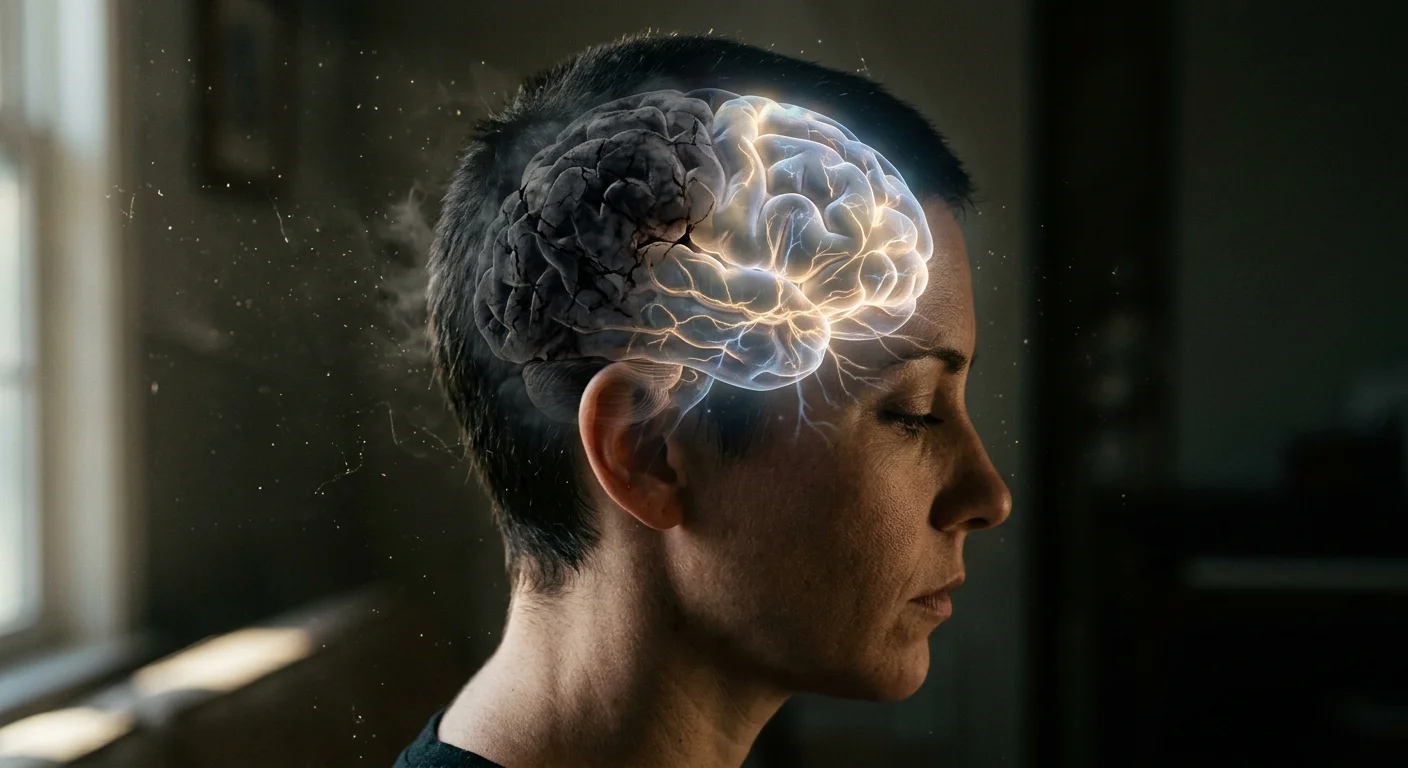

Drug and alcohol use alters the delicate wiring of the neural reward system, diminishing executive function and hijacking the prefrontal cortex’s decision-making power. This biological shift makes overcoming substance use without clinical guidance extraordinarily difficult, as the brain treats the substance as survival-essential. At New Growth Recovery, a rehabilitation center in Springfield, Massachusetts, we provide the structured, trauma-informed therapy and dual-diagnosis support required to safely retrain these damaged neural pathways. By choosing outpatient rehabilitation that combines cognitive behavioral therapy with a supportive clinical environment, individuals can actively rebuild their cognitive resilience while maintaining their everyday lives and support structures.
Disclaimer: The information in this article is for educational purposes only and should not replace professional medical advice, diagnosis, or treatment. Always consult a qualified healthcare provider or addiction specialist before making medical decisions.
How Do Drugs Affect the Brain on a Cellular Level?
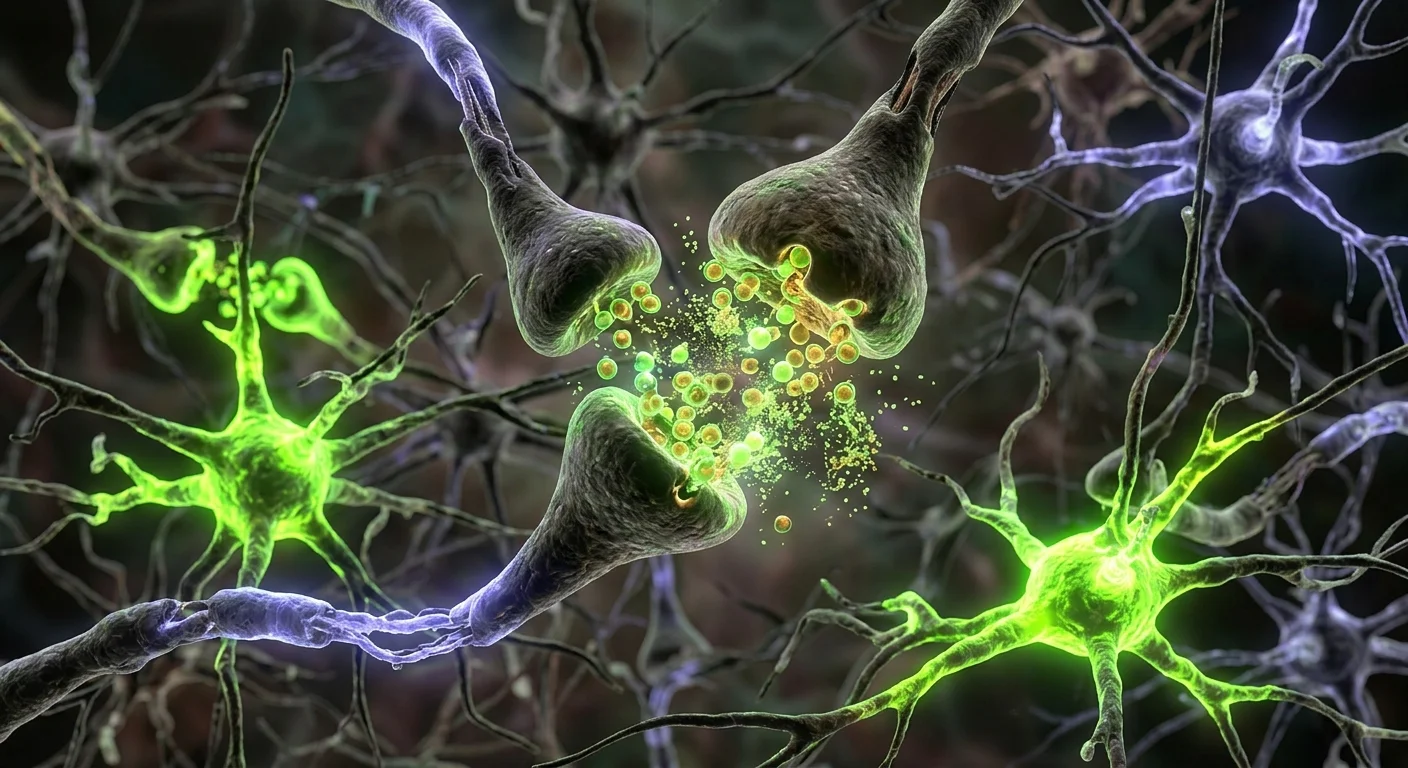
Chemical substances alter intercellular communication by mimicking or disrupting the natural chemical messengers known as neurotransmitters. In a healthy nervous system, neurons communicate via electrical and chemical signals across tiny gaps called synapses. When a person consumes addictive substances, this system experiences an artificial surge of dopamine, the neurotransmitter responsible for motivation and pleasure.
While natural rewards like eating or socializing trigger moderate dopamine release, drugs overstimulate this pathway intensely. According to the National Institute on Drug Abuse, drugs of abuse can cause dopamine surges that vastly exceed the levels produced by natural, healthy behaviors. This unnatural surge creates an immediate, intense sensation of euphoria, which trains the mind to prioritize the substance above all else.
Over time, the continuous flood of these chemicals forces the neural network to adapt. To protect itself from toxic overstimulation, the receiving cells reduce the number of active dopamine receptors. This biological adjustment, known as down-regulation, leaves the individual with a diminished capacity to experience natural joy. Consequently, activities that once brought pleasure, such as spending time with family or pursuing hobbies, no longer register as rewarding. The cellular landscape becomes fundamentally tuned to the presence of the external substance, establishing the biological groundwork for physical dependence.
Furthermore, different classes of substances impact this cellular machinery in unique ways. For instance, stimulants like cocaine block the reabsorption of dopamine, keeping the chemical active in the synapse for prolonged periods. Opioids bind to specialized receptors that damp down pain signals and flood the system with dopamine indirectly. Regardless of the mechanism, the result is identical: a profound disruption of the delicate chemical balance required for optimal mental functioning.
What Does Addiction Do to the Brain Over Time?
Chronic chemical dependency systematically restructures the physical architecture of neural pathways, shifting behavior from conscious choice to compulsive habit. Initially, drug use is a goal-directed behavior managed by the prefrontal cortex, which controls logic, planning, and self-regulation. However, as consumption continues, control shifts to the dorsal striatum, the area responsible for habit formation and automatic routines.
This structural shift weakens the connection between the executive control center and the deep emotional centers, such as the amygdala and nucleus accumbens. A landmark study published by the National Institutes of Health indicates that prolonged substance exposure degrades the white matter pathways connecting these critical areas. Consequently, the individual experiences compromised judgment, heightened impulsivity, and an inability to forecast negative outcomes.
As these connections degrade, the emotional center becomes hypersensitive to stress and drug-related cues. The mind begins to associate environmental triggers, such as specific locations, social circles, or emotional states, with the urgent need for the substance. This conditioning creates powerful, automatic cravings that bypass logical thought processes entirely. The individual no longer uses the substance to feel pleasure, but rather to escape the profound discomfort of withdrawal and stress.
This long-term remodeling also affects learning and memory systems. The hippocampus and amygdala record the intense relief associated with drug consumption, creating vivid, highly emotional memories. These memory traces persist long after substance use stops, which explains why certain sights or smells can trigger intense cravings years into recovery. Resolving these deep-seated structural changes requires sustained clinical intervention and targeted behavioral retraining.
How Addiction Affects the Brain and Creates Tolerance
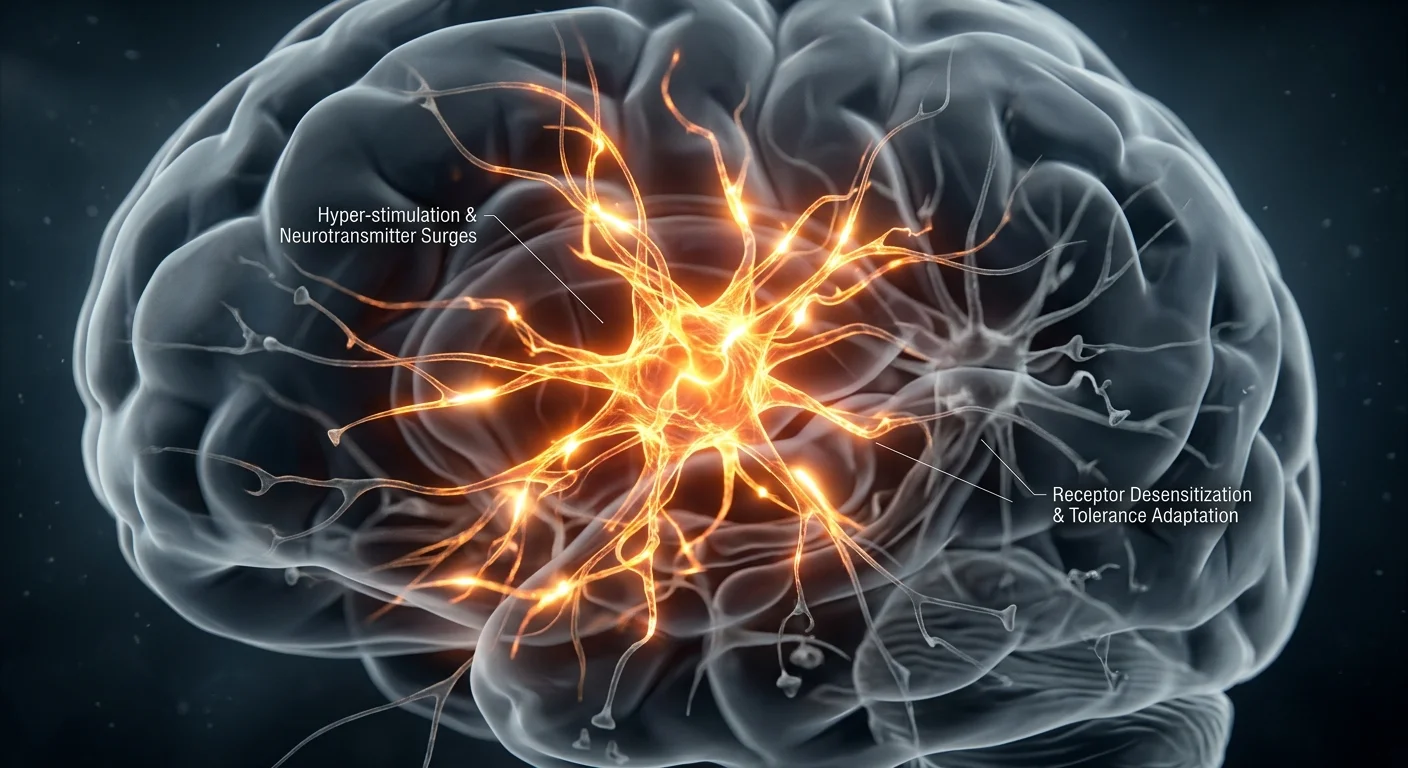
Repeated exposure to toxic substances forces the central nervous system to establish a new, pathological state of equilibrium. As the reward circuitry becomes less sensitive to dopamine, the individual must consume increasingly larger quantities of the substance to achieve the same psychoactive effect. This phenomenon is clinically known as tolerance, and it marks a dangerous escalation in the cycle of substance use.
When the substance is absent, the under-stimulated neural pathways trigger severe psychological and physical distress, known as withdrawal. The brain, now lacking its artificial chemical supply, struggles to produce baseline levels of dopamine and serotonin. This deficit causes symptoms ranging from deep depression and intense anxiety to physical tremors, cognitive fog, and extreme irritability.
To understand how these changes manifest across different brain regions, consider the key areas affected by chronic substance use:
| Brain Region | Primary Healthy Function | Impact of Chronic Addiction |
|---|---|---|
| Prefrontal Cortex | Decision-making, impulse control, logical planning | Weakened executive control, increased impulsivity, poor risk assessment |
| Nucleus Accumbens | Reward processing, motivation, pleasure sensation | Desensitization, diminished joy from natural activities, intense cravings |
| Amygdala | Stress response, emotional regulation, fear processing | Hyperactivity, increased anxiety, heightened sensitivity to emotional triggers |
| Hippocampus | Memory consolidation, contextual learning | Conditioned triggers, vivid association of drug cues with relief |
This comprehensive rewiring explains why willpower alone is rarely sufficient to achieve long-term recovery. The biological machinery governing survival has been reprogrammed to prioritize the substance, necessitating professional, structured clinical intervention. When an individual attempts to stop using without support, the overactive stress pathways and depleted reward systems often combine to trigger a relapse.
Clinical Perspectives: Common Mistakes in Understanding Recovery
Treating substance use disorders as simple moral failings rather than complex, treatable medical conditions is the most common and damaging mistake made by families and untrained observers. Addiction is a chronic, relapsing medical condition characterized by profound neurobiological changes. When families expect an individual to simply stop using through sheer willpower, they ignore the biological reality of a structurally altered nervous system.
As experienced clinical professionals, we emphasize that early intervention must focus on safety, stabilization, and professional assessment. An expert recommendation is to avoid self-directed, unsupervised detoxification, particularly for substances like alcohol or benzodiazepines. Abruptly stopping these substances can trigger life-threatening seizures and severe delirium tremens, which require immediate medical monitoring.
Instead, individuals should transition through a coordinated continuum of care. This process often begins with a medically supervised detox referral to ensure physical safety, followed by structured outpatient treatment to address the underlying psychological drivers of use. True healing requires professional therapies that actively exploit the brain’s natural capacity to reorganize itself. Attempting to skip these therapeutic phases often leads to repetitive cycles of relapse, as the underlying neural pathways remain unaddressed.
Another common mistake is neglecting co-occurring mental health disorders, such as depression, anxiety, or post-traumatic stress disorder. When clinical programs treat substance use in isolation, they leave the primary emotional drivers of use untouched. A comprehensive, dual-diagnosis approach ensures that both the neurobiological addiction and the co-occurring psychological pain are addressed simultaneously, establishing a much more stable foundation for long-term sobriety.
Reversing the Damage: Promoting Neuroplastic Healing in Rehabilitation
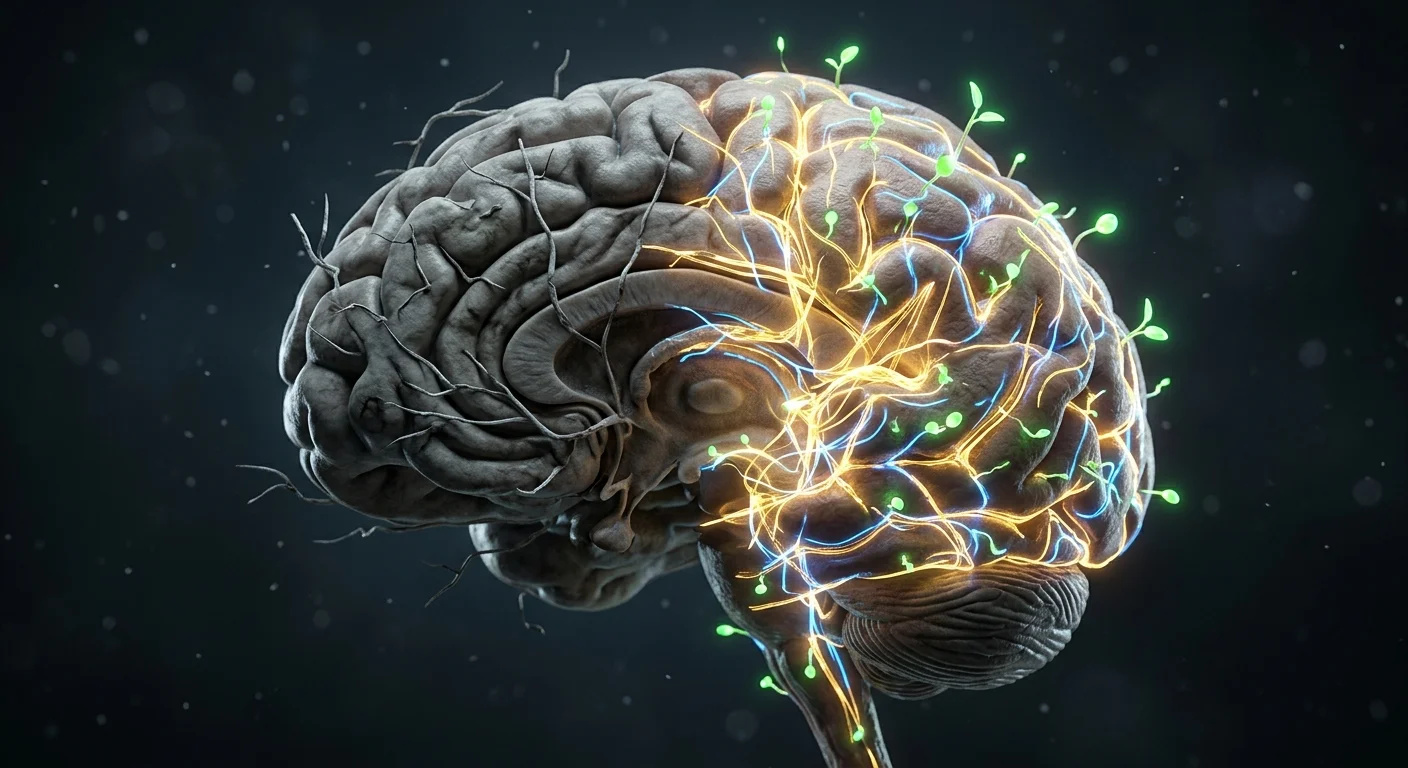
Rehabilitating a brain altered by substance use is entirely possible thanks to neuroplasticity, the nervous system’s lifelong ability to reorganize its structure and functions in response to new experiences. Just as repeated substance use carved out unhealthy neural pathways, consistent, healthy behaviors and therapeutic practices can build new, resilient networks. This restorative process takes time, professional guidance, and a supportive environment.
Clinical research from the Harvard University neurobiology departments demonstrates that evidence-based behavioral therapies actively stimulate positive structural changes in the prefrontal cortex. At New Growth Recovery, we integrate several evidence-based modalities to support this neurological healing:
- Cognitive Behavioral Therapy (CBT): This approach helps individuals identify, challenge, and reformulate negative thought patterns, strengthening the prefrontal cortex’s control over automatic impulses.
- Dialectical Behavior Therapy (DBT): By teaching emotional regulation and distress tolerance, DBT helps calm a hyperactive amygdala, reducing the intensity of stress-induced cravings.
- Group and Family Counseling: Engaging in healthy social interactions stimulates natural oxytocin and dopamine release, helping the reward center recover its sensitivity to non-chemical stimuli.
- Dual Diagnosis Support: Addressing co-occurring mental health conditions simultaneously prevents untreated anxiety or depression from triggering old survival pathways.
By participating in structured addiction counseling and therapy, individuals actively retrain their minds. Over time, the automatic urge to use fades, replaced by healthy coping mechanisms and restored cognitive control. This therapeutic transition allows the nervous system to heal, restoring emotional balance, mental clarity, and the capacity to experience genuine, natural joy in daily life.

FAQ
How long does it take for the brain to heal from addiction?
The timeline for neurological healing varies based on the substance used, the duration of use, and individual health factors. While initial chemical stabilization occurs within weeks, structural healing and the restoration of dopamine receptors typically take several months to a year of continuous sobriety. Professional therapeutic support greatly accelerates this recovery process by teaching the mind healthy new behavioral patterns.
Can brain damage caused by drug addiction be completely reversed?
Many structural and functional changes in the nervous system can be significantly improved or fully reversed through prolonged sobriety and targeted therapy. However, some toxic substances can cause permanent neuronal loss, making early clinical intervention critical. Engaging in comprehensive clinical care helps maximize the brain’s natural neuroplastic recovery potential and prevents further cellular damage.
What neurotransmitters are most affected by substance abuse?
Dopamine is the primary neurotransmitter affected, as it drives the reward and motivation systems of the brain. Other major chemicals disrupted include serotonin, which regulates mood; gamma-aminobutyric acid (GABA), which controls anxiety and relaxation; and glutamate, which is essential for learning and memory. Restoring balance to these delicate chemical systems is a primary goal of clinical addiction treatment.
Is addiction considered a permanent brain disease?
Addiction is clinically recognized as a chronic, treatable medical condition rather than an irreversible disease. While the vulnerability to substance use can persist, the neurological changes associated with active addiction can be managed and healed. Ongoing therapy, support networks, and positive lifestyle changes allow individuals to lead healthy, fulfilling lives in long-term recovery.
How does stress affect a recovering brain?
Stress triggers the amygdala to release cortisol and adrenaline, which can instantly revive old, deeply engraved pathways associated with substance use as a coping mechanism. This reaction explains why stress is a primary driver of cravings and potential relapse during early recovery. Outpatient therapy focuses heavily on teaching robust stress management techniques to protect these healing neural networks.