
For individuals wondering whether addiction is a disease or a personal choice, medical science provides a clear and definitive answer. Addiction is a chronic, relapsing brain disease, not a moral failure or a simple lack of willpower. If you or a loved one is struggling with substance use in Springfield, Massachusetts, relying solely on willpower is rarely enough to sustain long-term recovery. We recommend a professional, clinical treatment approach that addresses the structural and chemical changes in the brain. At New Growth Recovery, we help individuals heal through flexible, evidence-based outpatient programs. This approach treats the biological roots of substance use while teaching practical coping skills. Understanding that addiction is a medical condition changes how we approach recovery, shifting the focus from shame to effective clinical treatment. While the initial decision to use a substance may involve personal choice, the subsequent changes in brain chemistry quickly override voluntary control. True recovery requires professional support, structured therapy, and medical guidance.
Medical Disclaimer: The information provided in this article is for educational purposes only and should not replace professional medical advice, diagnosis, or treatment. Always consult with a qualified healthcare provider or addiction specialist regarding your specific medical situation.
Why Is Addiction Considered a Disease?
How does the medical community define a disease, and why does substance use fit this description? In clinical medicine, a disease is any condition that impairs the normal functioning of an organ or body system. For decades, pioneering medical organizations have recognized this biological reality in patients struggling with substance use. The American Medical Association officially classified alcoholism as a disease in 1956 and expanded this classification to include other drug addictions in 1987. Furthermore, the American Society of Addiction Medicine defines addiction as a primary, chronic disease of brain reward, motivation, memory, and related circuitry.
Just like cardiovascular disease damages the heart and diabetes damages the pancreas, substance use disorders damage the brain. When a person struggles with addiction, the underlying neurological pathways that control decision-making and impulse control become deeply compromised. It is not a character flaw or a sign of weakness. Instead, it is a medical condition that responds well to professional, evidence-based care. When communities view addiction through a medical lens, they reduce the stigma that prevents people from seeking help.
To qualify as a disease, a medical condition must have clear, observable symptoms and a predictable progression. Addiction fits these criteria perfectly. Left untreated, substance use disorders typically worsen over time, leading to severe physical, mental, and social consequences. Fortunately, like other chronic conditions, the disease of addiction can be managed successfully with ongoing care, lifestyle modifications, and professional therapeutic support.
Is Addiction a Brain Disease?
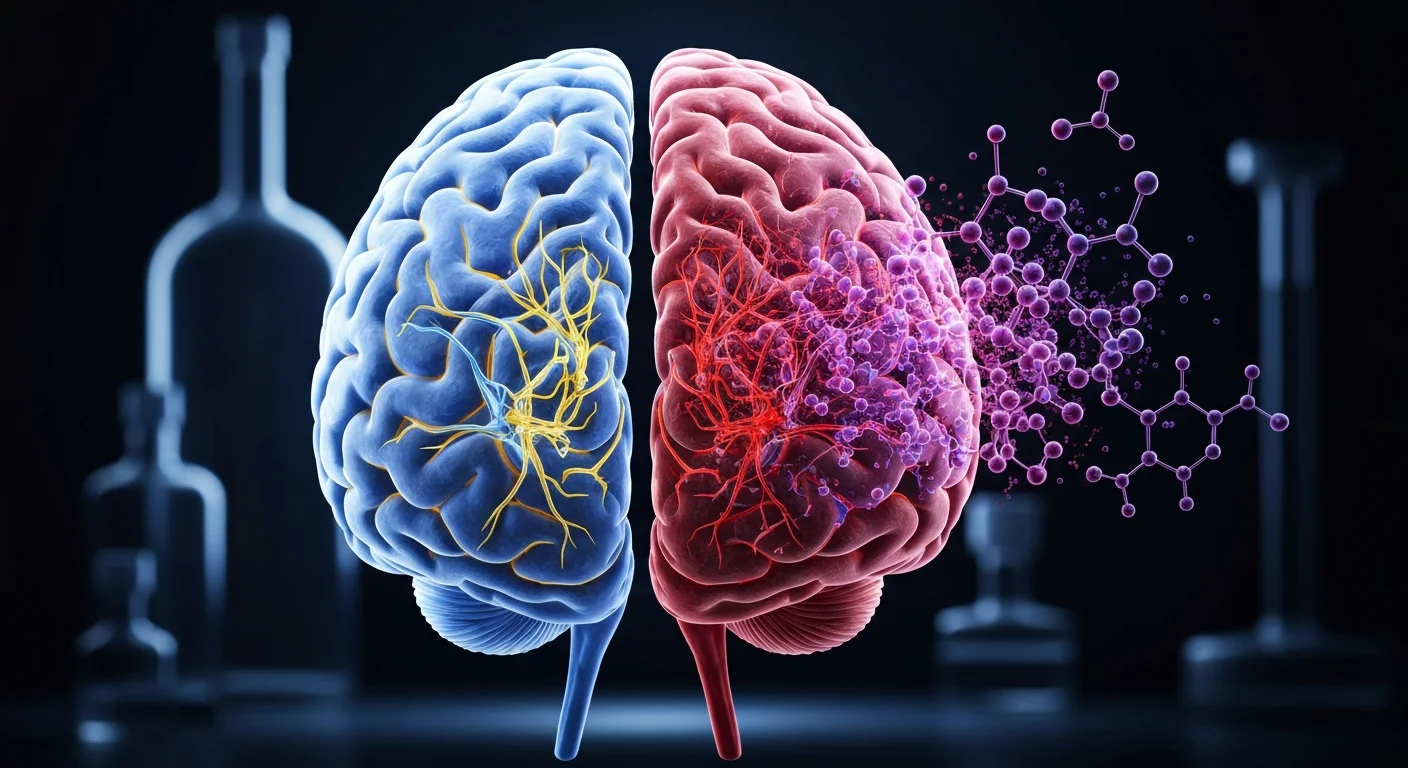
Does substance use actually alter the physical structure and chemistry of the human brain? Yes, neuroscientists have proven that repetitive drug or alcohol use fundamentally rewires neural pathways. When you ingest a substance, it triggers an unnaturally massive release of dopamine, the brain’s primary reward chemical. This sudden flood of dopamine teaches the brain to repeat the substance-seeking behavior at all costs. Over time, the brain tries to protect itself from this chemical overload by reducing its natural dopamine production and pruning back its dopamine receptors.
This biological adjustment leads to tolerance, meaning you need larger amounts of the substance just to feel normal. According to researchers at the National Institute on Drug Abuse, genetic factors account for approximately 40% to 60% of a person’s vulnerability to addiction. This strong genetic link mirrors other chronic illnesses like high blood pressure and asthma. When a person reaches this stage of chemical dependency, their brain pathways prioritize substance use over basic survival needs. Expecting someone to heal this neurological damage through sheer willpower is like asking a person with diabetes to think their way into producing insulin.
Furthermore, chronic substance use damages the prefrontal cortex, which is the brain region responsible for self-regulation and risk assessment. When this area is compromised, the individual loses the ability to make rational choices regarding the substance. This explains why people with severe addictions continue to use drugs despite knowing they could lose their jobs, families, or lives. The brain’s survival wiring has been hijacked, making the drug feel as necessary as food or water.
Comparing the Models of Addiction
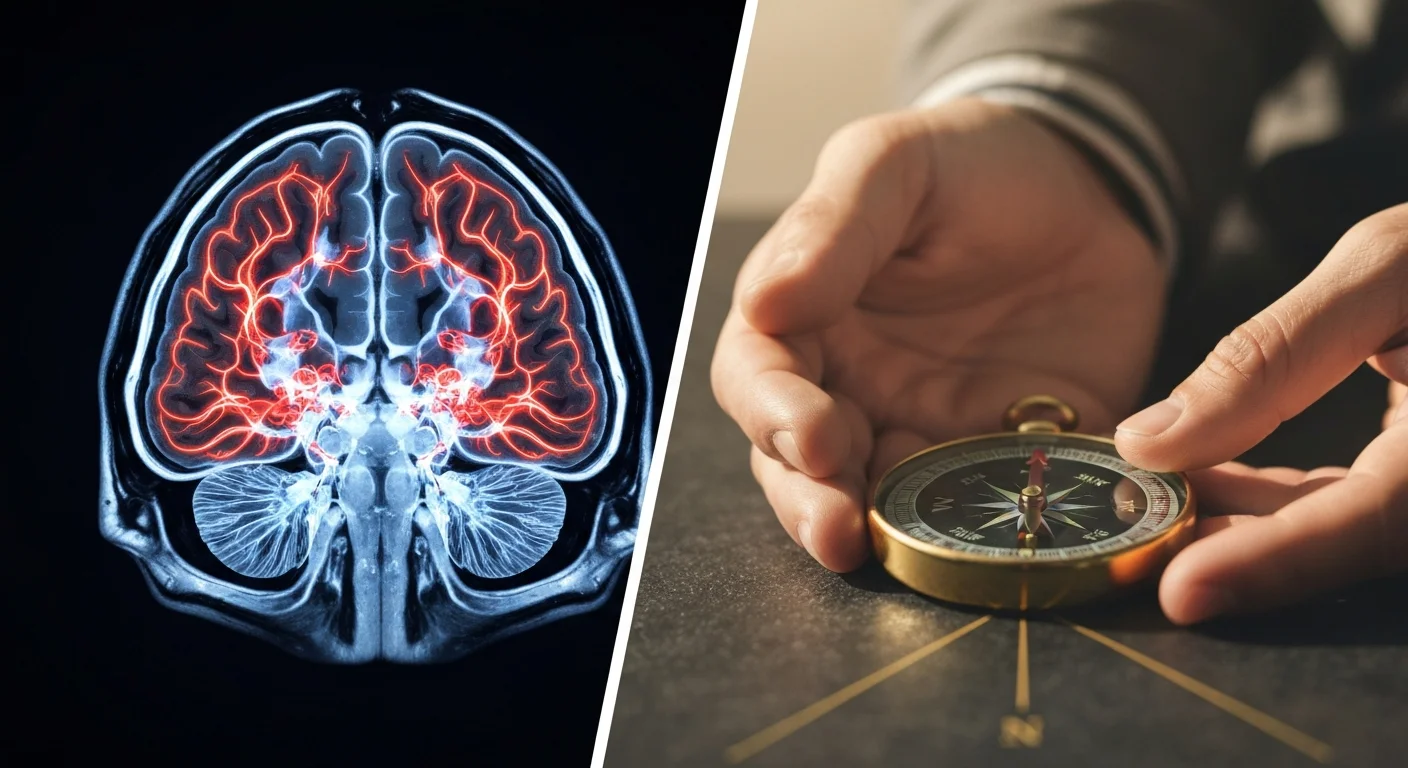
To better understand how treatment professionals approach this complex condition, we can look at the various models of addiction. These models explain why people use substances and how clinicians construct effective recovery programs. The medical field has evolved significantly, moving away from outdated social judgments toward comprehensive biological models.
The following table compares the four major historical and modern models used to explain substance use disorders:
| Model Name | Core Belief | Primary Method of Treatment |
|---|---|---|
| Disease Model | Addiction is a chronic brain illness driven by genetics and neurobiology. | Clinical therapy, medical detox support, and behavioral rehabilitation. |
| Moral Model | Addiction is a personal choice, a spiritual deficit, or a character weakness. | Punishment, social isolation, or relying purely on personal willpower. |
| Biopsychosocial Model | Addiction stems from a mix of biological, psychological, and social factors. | Holistic therapies, family counseling, and community-based support. |
| Environmental Model | Addiction is primarily a coping mechanism for stressful or traumatic surroundings. | Improving living situations, building support networks, and trauma therapy. |
Most modern clinical programs combine the disease and biopsychosocial models. This combination ensures that we treat the physical brain changes while also addressing your personal history, mental health, and social environment. By looking at all of these factors together, treatment providers can build highly personalized recovery plans that offer the best chance of long-term success.
The Myth of Pure Willpower: Why Choice Alone Cannot Cure Addiction
If addiction is a disease, does that mean a person has no personal responsibility in their recovery? While the initial choice to try a substance is voluntary, the progression into active addiction alters the brain’s prefrontal cortex. This specific region of the brain controls self-regulation, long-term planning, and emotional control. When substance use damages this area, the capacity to make rational choices becomes severely impaired.
This is why individuals with severe substance use disorders continue using drugs even when they face devastating consequences. They may lose their jobs, destroy their family relationships, or face legal troubles, yet they still feel an overwhelming drive to use. Data from the Substance Abuse and Mental Health Services Administration indicates that millions of Americans require specialized treatment each year, yet only a fraction receive the professional care they need. This gap often exists because people assume they can overcome the condition on their own.
Relying solely on willpower to cure a brain disease is a dangerous mistake. It often leads to a cycle of temporary abstinence followed by severe relapse and intense self-shame. True healing begins when you accept that your brain needs professional help to restore its chemical balance. Seeking clinical treatment is not a sign of surrender. It is a proactive, courageous choice to take control of your health. When you choose professional care, you are choosing to use evidence-based tools rather than relying on an exhausted supply of willpower.
Key Risk Factors in Developing the Disease of Addiction
Why do some people develop an addiction while others can use the same substance without losing control? The development of this chronic condition is highly individualized and depends on a complex interplay of risk factors. Understanding these risk factors can help families recognize the warning signs early and seek appropriate intervention.
Here is a breakdown of the primary factors that contribute to the onset of substance use disorders:
- Genetic Predisposition: Family history plays a major role in your susceptibility to addiction. If you have close biological relatives who struggle with substance use, your personal risk increases significantly.
- Environmental Influences: Growing up in an unstable home, experiencing physical or emotional abuse, or living in an area with high drug availability raises your risk. Peer pressure and early exposure to substance use also play critical roles.
- Co-occurring Mental Health Disorders: Many individuals use drugs or alcohol to self-medicate underlying psychological pain. Conditions like depression, anxiety, PTSD, and ADHD frequently co-occur with substance use disorders.
- Age of First Use: The human brain continues to develop until around age 25. Introducing mood-altering substances during this critical period of brain growth can cause permanent, structural changes that foster rapid dependency.
- Chronic Stress and Trauma: High levels of ongoing stress or unresolved childhood trauma alter how your brain processes reward and threat. This makes substances highly attractive as a temporary escape.
No single risk factor determines whether a person will develop a substance use disorder. However, the more risk factors an individual possesses, the higher their chances of developing the disease. Recognizing these elements early allows for targeted prevention efforts and more effective, early-stage interventions.
Common Clinical Mistakes in Treating the Disease of Addiction
What are the most frequent errors that families and healthcare providers make when dealing with substance use? One major clinical mistake is treating addiction as an acute issue rather than a chronic, lifelong condition. Some people believe that a quick stay in a detox facility is enough to cure the disease. However, detox only addresses the immediate physical withdrawal symptoms, leaving the underlying psychological triggers completely untouched.
Another common error is failing to address co-occurring mental health conditions during the recovery process. If a clinician treats the addiction but ignores the patient’s underlying trauma or depression, a relapse is highly likely. To avoid these pitfalls, we recommend choosing programs that offer integrated care, such as our addiction counseling and therapy in Springfield, MA. Effective treatment must focus on long-term behavioral changes, ongoing support systems, and healthy coping mechanisms. Treating the whole person, rather than just their physical symptoms, is the key to lasting wellness.
Additionally, families often make the mistake of using shame or punishment as a motivational tool. Research consistently shows that confrontation and humiliation do not motivate people with addiction to change. Instead, shame triggers deep emotional pain, which often drives the individual to use substances to cope. Compassionate, respectful, and science-based interventions are far more effective at helping individuals accept the clinical help they need.
How Compassionate Addiction Treatment Can Help Restore Balance
How does a professional treatment facility help repair the brain and support long-term recovery? Because addiction is a chronic disease, management requires a combination of clinical therapy, peer support, and lifestyle changes. Quality treatment programs focus on rewiring the brain’s reward pathways by teaching healthy ways to experience pleasure and handle stress. Over time, with consistent therapy and sobriety, the brain can repair some of the structural damage caused by substance use.
At New Growth Recovery, an addiction treatment center in Springfield, MA, we design personalized intensive outpatient treatment plans that fit your daily schedule. This flexibility allows you to receive high-quality medical and therapeutic care while maintaining your work, school, and family commitments. We offer comprehensive services, including extended day treatment, individual counseling, and family therapy for addiction. Our goal is to provide a safe, welcoming, and clinical environment where you can rebuild your life with dignity and respect.
Our trauma-informed professionals work with you to identify the root causes of your substance use. We also assist you with navigating your insurance options to ensure that your path to healing is as smooth as possible. If you want to explore how your policy covers outpatient services, you can review our insurance verification page or contact our staff directly. We believe that everyone deserves to be treated with dignity, respect, and hope as they rebuild their lives.

Frequently Asked Questions
Is addiction a chronic disease?
Yes, medical experts classify addiction as a chronic disease because it changes the physical structure and chemistry of the brain. Similar to other chronic illnesses like diabetes and hypertension, addiction cannot be cured quickly, but it can be successfully managed with professional treatment and lifestyle adjustments.
How does drug use change the brain’s reward system?
Drugs flood the brain with massive amounts of dopamine, which is the chemical responsible for feelings of pleasure and reward. Over time, the brain adapts to these high levels by producing less dopamine naturally, which makes it incredibly difficult to feel joy from normal, everyday activities without using the substance.
Can someone overcome addiction through willpower alone?
While willpower is helpful for starting the recovery process, it is rarely enough to sustain long-term sobriety on its own. Because addiction alters the brain regions responsible for judgment and impulse control, professional clinical support and therapeutic coping strategies are typically necessary to heal the brain.
What is the difference between physical dependence and addiction?
Physical dependence refers to the body’s adaptation to a substance, which leads to physical withdrawal symptoms when use stops. Addiction, on the other hand, is a complex brain disease characterized by compulsive, uncontrollable substance-seeking behavior despite facing severe negative life consequences.
Why do some people relapse after being sober for a long time?
Relapse is a common aspect of living with any chronic medical condition, and it does not mean that treatment has failed. Relapses occur because environmental triggers, stress, or sudden emotional challenges can reactivate old, deeply ingrained brain pathways that associated substances with relief.
How do genetic factors influence the risk of developing addiction?
Genetics account for a substantial portion of your overall risk, as certain inherited traits can make your brain more sensitive to the rewarding effects of drugs or alcohol. However, genetics are not a guarantee of addiction, as environmental factors, trauma, and personal coping mechanisms also play massive roles in development.