Drug Rehab in Chesterfield, MA
If you’re looking for drug rehab Chesterfield, MA, New Growth Recovery offers outpatient addiction treatment for adults who need professional support with substance use. Based in Springfield, Massachusetts, our center provides structured programs for opioid, fentanyl, cocaine, methamphetamine, marijuana, and other substance use disorders. With individualized care plans, licensed clinicians, and evidence-based therapies, we help you take practical steps toward recovery.

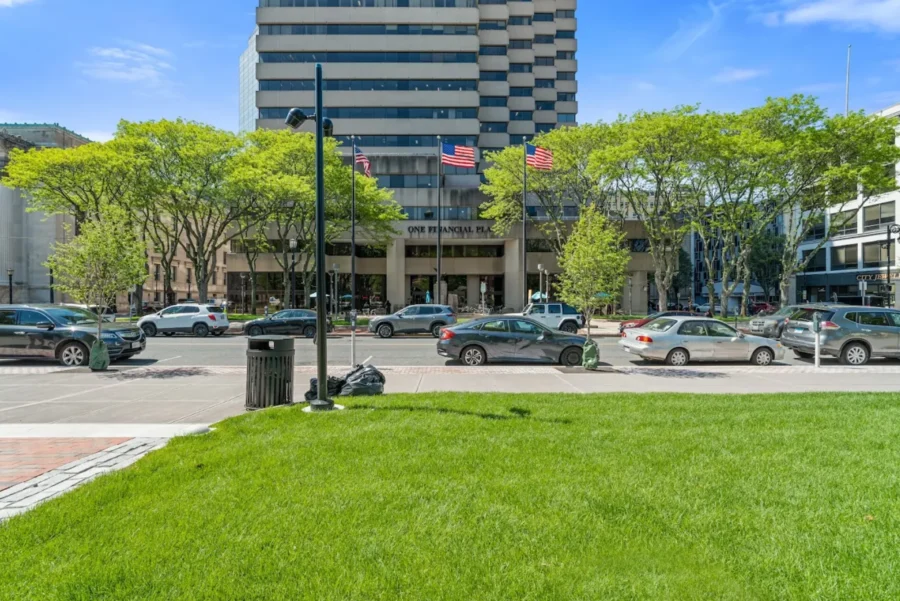
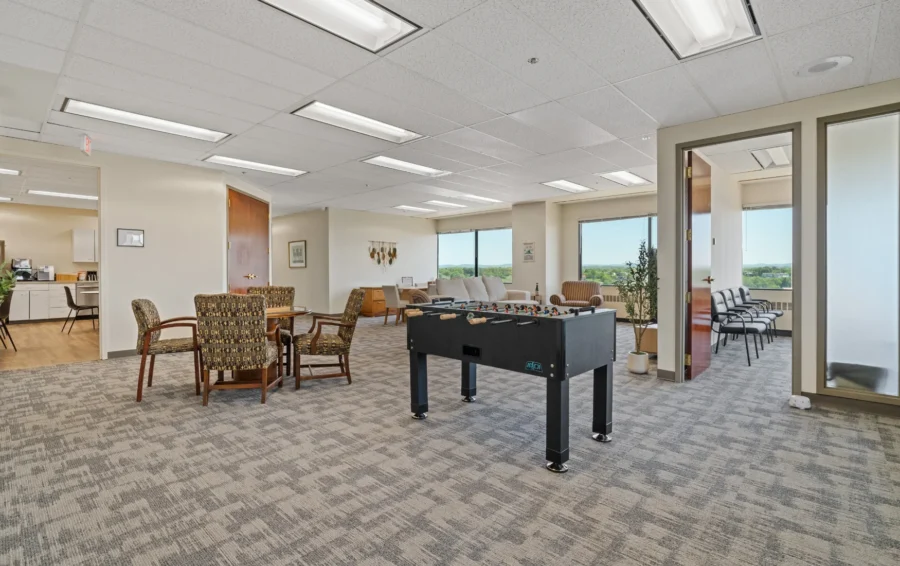
Our Drug Rehab Center
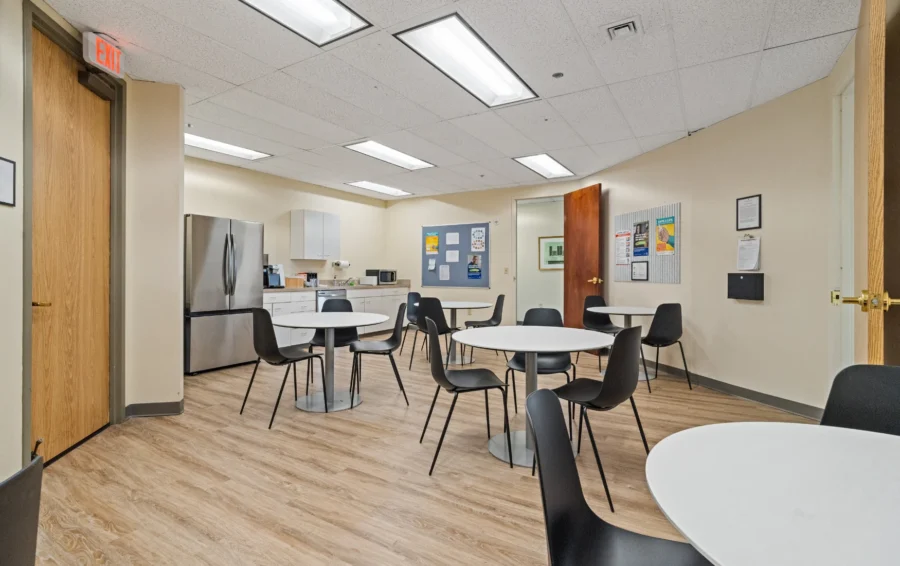
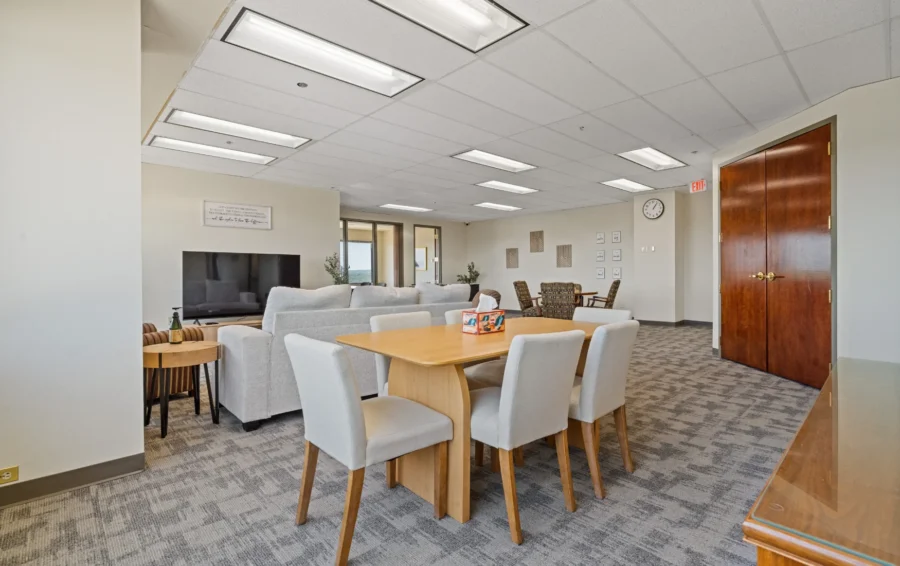
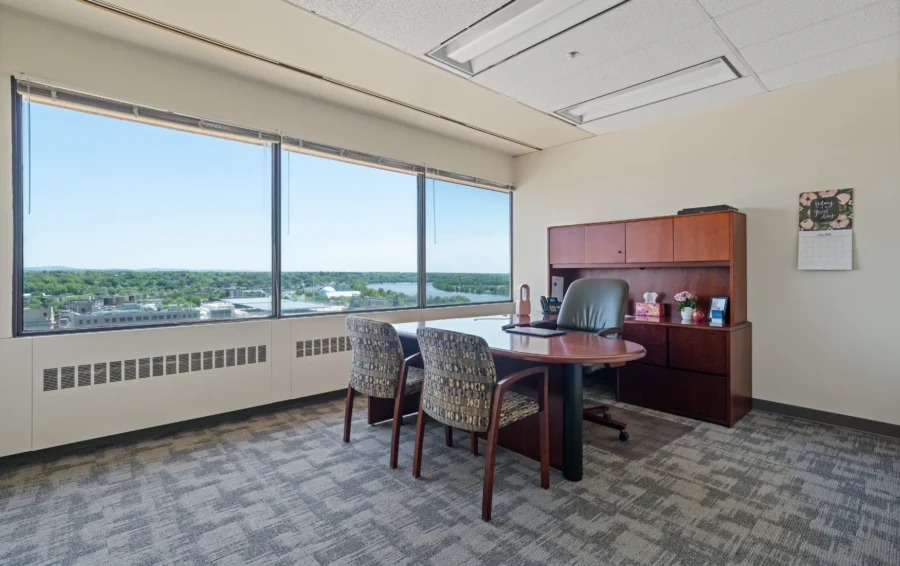
Reviews
“The facility is spotless, beautifully designed, and filled with natural light. It creates a peaceful, calming atmosphere from the moment you walk in. The views from the space are stunning.”
– Alexis L., Google Review
“From the moment I stepped into New Growth Recovery Center, I knew it was something special. The facility is clean, welcoming, and thoughtfully designed to promote healing and peace of mind.”
– Casey H., Google Revieww

Understanding Drug Rehab and Recovery
Drug addiction can affect your physical health, emotional well-being, relationships, and ability to manage everyday responsibilities. Repeated substance use can make it difficult to stop without professional help, even when you recognize the consequences.
Professional drug rehab provides structured support to help you understand substance use patterns, develop healthier coping skills, and work toward lasting change. At New Growth Recovery, your care plan reflects your needs, recovery goals, and appropriate level of clinical support.
Levels of Drug Rehabilitation in Chesterfield, MA
The right level of care depends on your circumstances, treatment needs, and progress. At New Growth Recovery, our drug rehab center provides several outpatient options to support different stages of recovery, from structured treatment to ongoing care.


Intensive Outpatient Program (IOP) offers a more flexible schedule with therapy and structured support several days per week. Patients work on managing triggers, preventing relapse, and developing coping skills while continuing to live at home.

Some people need medically supervised detox before starting outpatient treatment. New Growth Recovery does not provide medical detox onsite, but our admissions team can connect you with trusted detox providers and help coordinate the transition into ongoing care.

Substance use and mental health conditions can affect each other. Dual diagnosis treatment addresses both within a coordinated care plan, with support for concerns such as anxiety, depression, PTSD, and other co-occurring conditions.

Online addiction treatment offers access to individual counseling and group sessions through secure telehealth. It can provide greater flexibility for people who have difficulty attending appointments in person and meet the requirements for online care.

Recovery continues after a structured program ends. The addiction aftercare program helps you prepare for the next stage through relapse-prevention planning, continued guidance, and connections to community recovery resources.
Types of Drug Addiction Treatment
Different substances can affect the brain, behavior, and physical health in different ways. Drug addiction treatment addresses the challenges associated with each substance while accounting for your individual circumstances and recovery needs.
When marijuana use becomes difficult to control, it can interfere with motivation, relationships, and everyday responsibilities. Treatment helps you identify patterns associated with use, address underlying stress, and develop healthier coping strategies.
Cocaine can create strong cravings and cycles of repeated use. Treatment focuses on recognizing triggers, managing cravings, challenging unhelpful thought patterns, and building practical strategies to support recovery.
Opioid use can lead to physical dependence and difficult withdrawal symptoms. Treatment may include structured counseling, relapse-prevention planning, and support for the emotional and behavioral challenges associated with opioid use.
Methamphetamine use can affect mood, sleep, concentration, and decision-making. Evidence-based approaches such as CBT and DBT help patients develop emotional regulation skills, recognize risky patterns, and practice healthier responses to stress.
Fentanyl carries a high risk of overdose because of its potency. Treatment planning may begin with a referral for medically supervised detox when needed, followed by structured outpatient care and ongoing recovery support.
Heroin use can lead to physical dependence, cravings, and significant disruption to daily life. Treatment may include a supervised detox referral, individual and group counseling, and strategies for managing triggers and reducing relapse risk.
PFML available in Massachusetts
Many MA employees can take paid time off for family or medical reasons. Your job and benefits are protected.


Drug Addiction Therapies
Therapy is a central part of drug rehabilitation at New Growth Recovery. Different approaches help you understand substance use patterns, build coping skills, improve relationships, and prepare for challenges outside the treatment setting.
Dialectical Behavior Therapy (DBT) focuses on emotional regulation, mindfulness, distress tolerance, and interpersonal skills. These tools can help you manage intense emotions and respond more effectively to difficult situations without returning to substance use.
Cognitive Behavioral Therapy (CBT) helps you recognize how thoughts, emotions, and behaviors influence one another. You learn to challenge unhelpful thinking patterns, identify triggers, and practice alternative responses to cravings and high-risk situations.
Group and Individual Therapy
Group therapy provides a clinician-led setting where patients can share experiences, discuss recovery challenges, and practice coping and communication skills with peers. Individual therapy offers one-on-one support to explore personal triggers, substance use patterns, and emotional concerns while developing strategies tailored to your recovery goals.
Substance use can affect trust, communication, and relationships with loved ones. Family therapy helps participants improve communication, establish healthy boundaries, and better understand their roles in supporting recovery.
Your First Week at Drug Rehab in Chesterfield, MA
Starting treatment at a drug rehabilitation center can feel unfamiliar, but understanding the first steps can make the process easier. Your schedule depends on your assessment, clinical needs, and the program you enter.
- Days 1–2
You’ll discuss your substance use, mental health needs, and recovery goals to establish a suitable treatment plan. - Days 3–5
Begin therapy sessions focused on recognizing triggers, managing stress, and developing healthy coping strategies. - Days 6–7
Practice recovery skills, review your progress with the care team, and identify your next steps.

Client Reviews About Drug Rehab


 Trustindex verifies that the original source of the review is Google.
 Trustindex verifies that the original source of the review is Google.
 Trustindex verifies that the original source of the review is Google.
 Trustindex verifies that the original source of the review is Google.
 Trustindex verifies that the original source of the review is Google.
 Trustindex verifies that the original source of the review is Google.
 Trustindex verifies that the original source of the review is Google.
 Trustindex verifies that the original source of the review is Google.
 Trustindex verifies that the original source of the review is Google.

Why Choose New Growth Recovery for Drug Rehab in Chesterfield, MA?
Choosing drug rehab in Chesterfield, MA is an important step toward recovery. New Growth Recovery offers a supportive setting where adults can explore their treatment options and find a path forward that fits their circumstances.
- Support for Different Needs: New Growth Recovery helps adults address substance use disorders, including those exploring alcohol rehab.
- Professional Clinical Care: Our licensed clinicians use evidence-based approaches to guide treatment and support recovery goals at an addiction treatment center in Chesterfield, MA.
- Help With Admissions: Our team can explain program options, verify insurance benefits, and coordinate referrals for detox when needed.
Our rehabilitation center provides a calm, welcoming environment where you can focus on recovery while continuing to live at home outside scheduled treatment hours.
If you or someone you care about needs drug addiction help, contact New Growth Recovery to discuss treatment options and take the next step toward recovery.
How to Get Started
Call or walk in for a same-day assessment
Complete intake virtually or in person
Verify benefits and begin care within 24 hours
Frequently Asked Questions
Can I speak to someone before deciding?
Yes. You can call, email, or walk in to speak with a team member before starting treatment.
How do I arrange a tour of the rehab center?
Call us to schedule a visit. We’ll show you the space, explain our services, and answer your questions.
Why should I choose your facility?
Our 15th-floor space offers calming views, a modern setting, and access to nature. We also offer free fitness classes every Wednesday.
Can I stay at home while receiving treatment?
Yes. Our Day and Extended Day programs allow you to live at home and attend treatment during scheduled hours.
How long does treatment last?
Treatment length depends on your needs. Many people participate for several weeks, with options to extend if needed.
What happens on my first day of treatment?
You’ll meet with your care team, review your treatment plan, and join your first group or individual session.
Are cell phones allowed during treatment?
Yes, but with boundaries. Phones may be used during breaks unless otherwise noted by your care team.
Can family or friends accompany me for treatments?
Family may be involved during scheduled family sessions. Visitors during treatment hours are limited to maintain focus.
What do I tell my employer?
Many individuals choose to say they’re receiving health services. We can provide documentation if you request it.
Can I pay cash for my treatment?
Yes. We offer private pay options for those without insurance.
Contact Us Today
