
When evaluating different types of addiction, clinical diagnostic standards divide them into two primary categories: substance use disorders (chemical addictions) and behavioral process addictions. For chemical dependencies involving severe physical withdrawal, such as alcohol, opioids, or benzodiazepines, medical supervision and structured outpatient programs provide the safest entry point to stabilization. For process addictions, such as gambling or compulsive shopping, targeted cognitive behavioral therapy and psychiatric support address the underlying neurological reward cycles without the need for medical detox. Recognizing whether a struggle involves chemical reliance, compulsive actions, or a combination of both allows individuals and families to select the precise therapeutic level of care needed for long-term health and emotional balance.
Disclaimer: The information provided in this article is for educational purposes only and should not replace professional medical advice, diagnosis, or treatment. Always consult with a qualified healthcare provider or addiction specialist regarding any medical concerns or before starting any treatment program.
Understanding the Primary Categories: Chemical vs. Behavioral Addiction Types
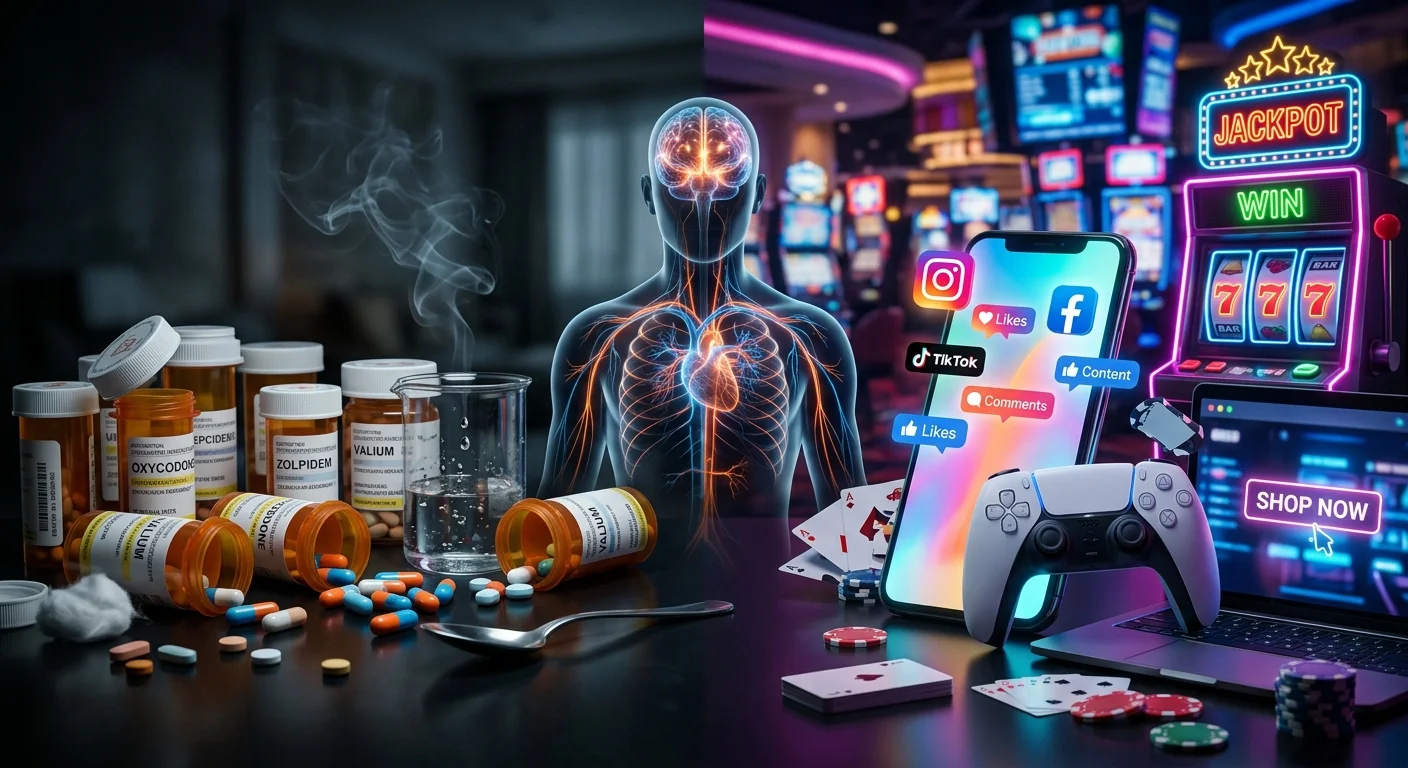
Addiction is a chronic, relapsing brain disease characterized by compulsive engagement in rewarding stimuli despite adverse consequences. The American Psychiatric Association classifies addictive conditions based on whether the primary driver is an ingested mood-altering chemical or a repeated compulsive behavior. Both chemical and behavioral compulsions interact with the brain’s mesolimbic dopamine pathway—the system responsible for reinforcement, motivation, and learning. When a person repeatedly engages in an addictive behavior or consumes a drug, dopamine surges signal to the brain that the activity is vital for survival, gradually overriding logical decision-making pathways in the prefrontal cortex.
Chemical addictions alter brain chemistry directly through biological interactions with receptors, neurotransmitters, and cellular function. Over time, the body adapts to the regular presence of a substance, leading to physical tolerance (needing higher amounts to achieve the same effect) and physical withdrawal when the substance is reduced or eliminated. Behavioral addictions, often called process addictions, do not involve the ingestion of exogenous chemicals. Instead, the anticipation and execution of the behavior itself trigger neurochemical shifts that mirror substance misuse. Identifying the distinct category of addiction an individual is experiencing helps clinicians craft targeted treatment plans that address both biological dependency and psychological patterns.
Core Types of Substance Abuse and Their Impact on the Brain
Substance use disorders encompass a wide range of legal and illicit drugs, each affecting the central nervous system differently. According to data published by the Substance Abuse and Mental Health Services Administration, tens of millions of adults nationwide meet the clinical criteria for a substance use disorder in any given year. Understanding the specific chemical category helps individuals identify dangerous patterns early and seek appropriate professional support.
1. Alcohol Use Disorder (AUD)
Alcohol is a central nervous system depressant that increases gamma-aminobutyric acid (GABA) activity while suppressing glutamate, leading to feelings of relaxation, lowered inhibition, and motor impairment. When consumption becomes habitual and heavy, the brain reduces its natural GABA production, creating physical reliance. Individuals suffering from AUD often experience severe physical cravings, tremors, anxiety, and dangerous withdrawal risks when attempting to quit without clinical oversight. For individuals seeking structured care in Western Massachusetts, specialized alcohol rehab in Springfield, MA provides essential stabilization, clinical therapy, and long-term recovery planning.
2. Opioid Use Disorder (OUD)
Opioids include natural opiates like morphine, semi-synthetic pain medications like oxycodone and hydrocodone, and synthetic opioids like illicit fentanyl and heroin. Opioids attach to specific opioid receptors in the brain, spinal cord, and gastrointestinal tract, blocking pain signals and flooding the brain with intense feelings of euphoria. Research from the National Institute on Drug Abuse highlights that repeated opioid exposure alters brain architecture, making severe cravings and intense flu-like withdrawal symptoms primary drivers of continued use. OUD carries a elevated risk of respiratory depression and accidental fatal overdose, making rapid access to professional opioid rehab and treatment crucial.
3. Stimulant Use Disorder
Stimulants—including prescription ADHD medications, cocaine, and methamphetamine—accelerate central nervous system activity. They block the reuptake of dopamine, norepinephrine, and serotonin, resulting in rapid surges of energy, extreme alertness, and heightened euphoria. Prolonged stimulant misuse can cause severe cardiovascular damage, weight loss, extreme paranoia, sleep deprivation, and profound depressive crashes during withdrawal as natural dopamine reserves are depleted. Professional stimulant addiction treatment can help individuals manage withdrawal symptoms, address underlying behavioral patterns, and work toward long-term recovery.
4. Sedative, Hypnotic, and Anxiolytic Disorders
Sedatives, primarily consisting of prescription benzodiazepines (such as Xanax, Valium, and Ativan) and barbiturates, are commonly prescribed for severe anxiety and sleep disorders. These medications quiet neural activity. However, high doses or extended use beyond medical recommendations lead to rapid tolerance and severe physical dependency. Abruptly discontinuing sedatives can be physically dangerous, triggering rebound anxiety, dangerous spikes in blood pressure, and seizures, necessitating careful clinical tapering strategies.
5. Cannabis Use Disorder
Although frequently perceived as low risk, modern high-potency cannabis products can lead to physical and psychological reliance. Cannabis Use Disorder develops when an individual cannot reduce consumption despite noticeable cognitive fog, loss of motivation, disrupted sleep patterns, or strained personal relationships. Symptoms of cannabis withdrawal often include irritability, vivid dreams, appetite loss, and persistent restlessness. When these symptoms interfere with daily life, marijuana addiction treatment may provide the structured support needed to overcome dependence and regain control over cannabis use.
6. Inhalant Misuse
Inhalants refer to volatile substances—such as chemical solvent vapors, aerosol sprays, nitrites, and cleaning fluids—that produce rapid, mind-altering effects when inhaled. Highly toxic to organ systems, inhalant misuse can cause irreversible nerve damage, severe cognitive deficits, liver failure, and sudden fatal cardiac arrhythmia, even during initial experimentation.
Recognizing Behavioral and Process Addiction Types
Process addictions occur when an individual becomes psychologically dependent on a specific activity or rewarding dynamic. Although no physical substance is consumed, brain imaging studies confirm that process addictions activate the exact same neurological reward structures as drugs and alcohol. The compulsion to perform these actions creates severe disruption in professional, financial, and personal domains.
- Gambling Disorder: The only non-substance behavioral addiction officially recognized as a formal diagnosis in the DSM-5. Individuals with gambling disorder compulsively wager money or valuables, frequently chasing financial losses despite mounting debt, bankruptcy, severe relationship distress, and intense emotional trauma.
- Internet and Gaming Disorder: Involves uncontrollable, excessive engagement with video games, social media networks, or online environments. Individuals often neglect basic hygiene, employment responsibilities, sleep schedules, and offline personal relationships to maintain digital connection.
- Compulsive Food and Binge Patterns: Characterized by an uncontrollable urge to consume hyper-palatable foods rich in sugar, salt, and fats. Eating episodes are driven by emotional distress or obsessive compulsions rather than physical hunger, frequently followed by overwhelming guilt, shame, and gastrointestinal distress.
- Compulsive Buying and Shopping Disorder: Involves persistent, uncontrollable shopping sprees used as an emotional coping mechanism for anxiety or depressive moods. The thrill occurs during the purchase phase, quickly replaced by severe remorse, substantial debt, and hidden packages from loved ones.
- Hypersexual Disorder and Relationship Dependence: Compulsive engagement in sexual thoughts, behaviors, or romantic obsession that causes personal harm, boundary violations, high-risk exposure, or destruction of primary partnerships.
Comparing Substance Use Disorders and Behavioral Addictions
While chemical dependencies and process addictions share overlapping psychological indicators—such as loss of control, failed attempts to stop, and continued engagement despite negative outcomes—their physiological presentations and clinical management differ significantly.
| Feature / Category | Substance Use Disorders | Behavioral / Process Addictions |
|---|---|---|
| Primary Mechanism | Direct chemical alteration of central nervous system and brain receptors | Neurological dopamine release triggered by repetitive actions or rewards |
| Physical Reliance | High; clear physiological tolerance and potential life-threatening withdrawal | Psychological dependence; emotional withdrawal (irritability, mood swings) |
| Clinical Diagnosis | Explicitly categorized by substance type in DSM-5 (AUD, OUD, etc.) | Gambling Disorder formal; others categorized under impulse control/behavioral |
| Primary Health Risks | Organ damage, overdose, severe organ failure, neurological decline | Chronic stress, severe sleep deprivation, metabolic issues, emotional exhaustion |
| Primary Treatment Focus | Medical stabilization, withdrawal management, CBT, relapse prevention | Psychotherapy, impulse control techniques, behavioral resetting, support groups |
Biological and Psychological Factors Across Different Types of Addiction
No single factor determines whether a person will develop a chemical or behavioral addiction. Rather, addiction arises from a dynamic interplay of biological vulnerabilities, childhood environments, mental health status, and life stressors.
From a biological perspective, genetic predisposition accounts for approximately 40% to 60% of an individual’s vulnerability to addiction, according to data managed by the Centers for Disease Control and Prevention. Genetic factors influence how efficiently an individual metabolizes substances, how intensely their brain responds to dopamine surges, and how resilient their nervous system is to stress.
A crucial clinical insight that experienced addiction medicine specialists emphasize involves the role of underlying mental health conditions. A common professional mistake in early addiction assessment is treating the overt behavioral symptoms or substance misuse while failing to evaluate co-occurring mental health disorders like PTSD, generalized anxiety, or clinical depression. When emotional trauma or psychiatric disorders remain unaddressed, the urge to self-medicate through chemicals or compulsive behaviors will persistently return.
To accurately identify and address an addiction, clinicians evaluate several key developmental phases:
- Initial Exposure and Experimentation: The initial decision to try a substance or activity, often driven by social curiosity, stress relief, or medical prescription.
- Regular and Routine Engagement: The behavior or substance intake becomes a predictable routine for managing emotional discomfort, celebrating, or unwinding.
- Escalation and Tolerance Development: Higher doses or more intense behavioral engagement become necessary to achieve the desired psychological buffer.
- Compulsive Dependency and Loss of Control: The reward pathway becomes severe, causing an inability to stop despite severe financial, social, physical, or legal consequences.
- Crisis and Treatment Readiness: The individual experiences acute life disruption, signaling the urgent need for structured clinical intervention and long-term recovery planning.
How Clinicians Evaluate and Treat Various Types of Substance Misuse

Modern clinical care has evolved far beyond one-size-fits-all strategies. Effective treatment requires comprehensive diagnostic assessments that identify the exact chemical or process challenges, physical health status, mental health profile, and social support network of the individual. Because addiction is a multifaceted condition, care plans typically integrate multiple evidence-based therapeutic modalities.
Cognitive Behavioral Therapy (CBT) serves as a cornerstone intervention for nearly all forms of addiction. CBT helps individuals identify irrational thought patterns, recognize high-risk triggers, and build concrete coping mechanisms to manage cravings without resorting to chemical or behavioral compulsions. Dialectical Behavior Therapy (DBT) is equally valuable, equipping individuals with emotional regulation skills, mindfulness practices, and distress tolerance tools.
When mental health conditions exist alongside drug addiction or alcohol dependence, specialized dual diagnosis treatment provides simultaneous care for both issues. Treating anxiety, depression, or bipolar disorder concurrently with addiction prevents the mental health condition from repeatedly triggering relapse. Additionally, outpatient levels of care—such as Extended Day Treatment (PHP) and Intensive Outpatient Program (IOP)—allow individuals to receive structured therapy, medical monitoring, and group support while maintaining family connections and evening routines.
Navigating the logistics of beginning care should never stand in the way of recovery. Individuals inquiring about treatment options can review insurance coverage details or contact treatment coordinators directly to verify benefits without obligation.
Take the First Step Toward Healing and Lasting Recovery

Recognizing the signs of addiction in yourself or a family member can feel overwhelming, but you do not have to navigate this journey alone. Every form of addiction—whether chemical or behavioral—is a treatable medical condition, and reaching out for guidance is a sign of strength. With compassionate care, personalized therapeutic support, and evidence-based interventions, individuals can reclaim control over their lives, heal personal relationships, and build a fulfilling future grounded in long-term wellness.
At New Growth Recovery, our dedicated clinical team understands the unique complexities of different addictions and co-occurring mental health challenges. Located in Springfield, Massachusetts, our addiction treatment center provides flexible, structured outpatient programs tailored to your unique needs, story, and goals. Our professional staff is ready to guide you toward lasting health with dignity, respect, and unconditional care. Contact New Growth Recovery today to speak with a compassionate admissions specialist and take your first confident step toward lasting healing.

FAQ
What is the main difference between physical dependence and addiction?
Physical dependence refers to the body’s natural adaptation to a substance, resulting in tolerance and physical withdrawal symptoms when stopped. Addiction is a chronic psychological disease defined by compulsive behavior, loss of control, and continued use despite severe negative consequences to health, relationships, or life stability.
How do clinicians determine which type of addiction treatment a person needs?
Clinicians perform comprehensive evaluations examining physical health, substance history, mental health conditions, living stability, and personal goals. Based on standardized clinical criteria, they recommend an appropriate level of care, ranging from medically supervised detox to day treatment programs, intensive outpatient care, or standard therapy.
Can an individual suffer from multiple types of addiction at the same time?
Yes, this condition is clinically referred to as cross-addiction or poly-substance dependence. An individual may struggle with both alcohol misuse and prescription drugs simultaneously, or combine a substance use disorder with a behavioral compulsion like gambling or compulsive shopping.
Are process addictions as damaging to a person’s life as chemical substance addictions?
Process addictions can be deeply damaging, often resulting in complete financial ruin, marital dissolution, loss of employment, severe depression, and high levels of emotional distress. While they may not carry the immediate risk of chemical overdose, their impact on mental stability and quality of life is profound.
When is the right time to reach out to a professional addiction treatment facility?
The right time to seek help is as soon as you notice that a substance or behavior is interfering with health, emotional well-being, personal relationships, or daily responsibilities. Waiting for a crisis is unnecessary, as early intervention leads to better long-term recovery outcomes.
How does outpatient addiction care fit into a busy personal schedule?
Outpatient programs offer flexible scheduling, including morning or evening therapy blocks, day treatment options, and virtual counseling sessions. This structure allows participants to receive comprehensive, evidence-based care while sleeping in their own home and maintaining essential family commitments.