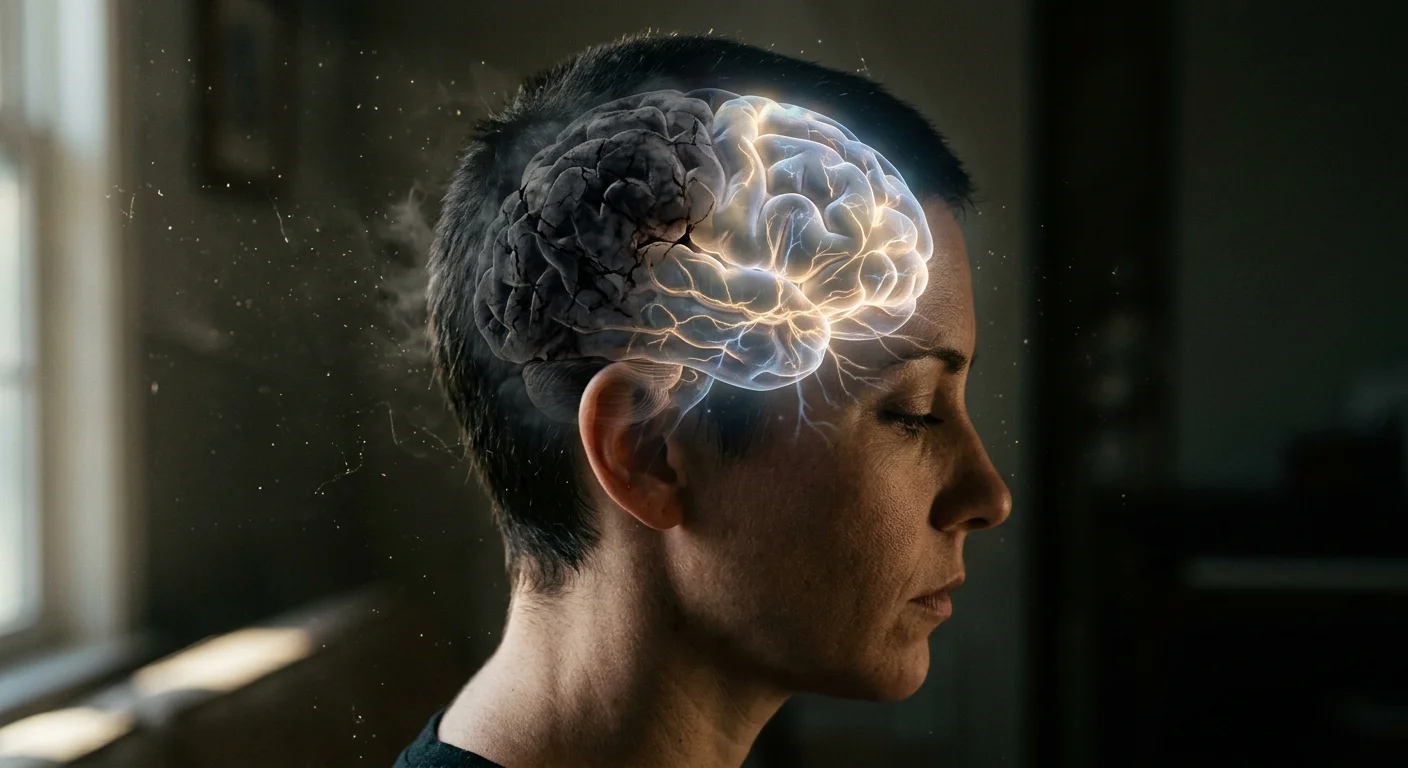

If you have ADHD and face substance use challenges, the most effective path forward is an integrated dual-diagnosis treatment plan. This approach treats both conditions simultaneously. Treating addiction in isolation while ignoring ADHD symptoms almost always leads to relapse, while managing ADHD without addressing chemical dependency fails to break the cycle of substance abuse. The biological link between these two struggles is profound, rooted in how the brain processes dopamine and handles impulse control. By prioritizing specialized care that combines evidence-based behavioral therapies with structured, non-addictive psychiatric support, you can achieve sustainable, long-term healing. If you or a loved one is struggling in Springfield, Massachusetts, obtaining professional guidance from a comprehensive rehabilitation center is the most reliable first step toward reclaiming your life. This guide outlines the neurological connection between ADHD and addiction, highlights the specific risks associated with self-medication, and provides a clear framework for selecting the right therapeutic interventions.
Disclaimer: This content is for informational and educational purposes only and should not be considered professional medical advice, diagnosis, or treatment. Always consult with a qualified healthcare provider, physician, or mental health specialist regarding any medical condition or treatment plan. For specific insurance verification and program details, please reach out to our team directly.
Are People with ADHD More Prone to Addiction?
Yes, individuals diagnosed with ADHD are statistically and biologically much more vulnerable to developing substance use disorders. This heightened risk is directly linked to the neurological differences inherent in the ADHD brain. Primarily, the ADHD brain exhibits a natural deficit in dopamine, a neurotransmitter critical for regulating pleasure, motivation, and the sensation of reward. Because the brain struggles to maintain baseline dopamine levels, individuals often experience chronic under-stimulation, restlessness, and mental fatigue. This state of discomfort creates a powerful drive to seek external chemical stimulants to achieve a temporary sense of cognitive balance.
Furthermore, executive function and impulse control are managed by the prefrontal cortex, which functions differently in neurodivergent individuals. When an impulse arises to consume a substance, the brain lacks the immediate neural braking system required to pause and weigh long-term consequences. This deficit in self-regulation makes experimental drug or alcohol use escalate into a habit far more quickly than it might for a neurotypical person.
According to the National Center for Biotechnology Information, adults with ADHD are approximately three times more likely to develop a substance use disorder compared to those without the condition. This correlation is not a reflection of moral failure or a lack of willpower. Instead, it is a complex biological intersection where genetic vulnerabilities and neurological deficits meet, highlighting the critical need for early medical intervention and specialized, compassionate support systems.
Why ADHD and Drug Addiction Frequently Co-Occur

The co-occurrence of ADHD and drug addiction stems primarily from the coping mechanism of self-medication combined with shared genetic pathways. Living with undiagnosed or inadequately managed ADHD is exhausting. Adults often face persistent difficulties keeping up with professional demands, maintaining organized household schedules, and managing emotional volatility. When traditional coping strategies fail, individuals frequently discover that certain illicit drugs or unprescribed medications temporarily alleviate their cognitive deficits, leading to a dangerous cycle of self-medication.
The choice of drug often aligns with the specific ADHD symptoms an individual is trying to suppress. For instance, those dealing with severe mental hyperactivity, anxiety, and racing thoughts may gravitate toward central nervous system depressants, such as marijuana or benzodiazepines, to quiet their minds. Conversely, those struggling with debilitating lethargy, executive dysfunction, and an inability to focus may misuse stimulants like cocaine or illicit amphetamines to boost their productivity. While these substances offer an immediate, short-term illusion of stability, they quickly hijack the brain’s reward system, demanding higher doses to achieve the same effects.
Genetics also represent a massive portion of this equation. Research demonstrates that both ADHD and substance use disorders have highly hereditary roots. If a person has a parent or sibling with either condition, their biological predisposition to develop these struggles is substantially higher. When genetic susceptibility is combined with the environmental stress of navigating a world not designed for neurodivergence, drug abuse becomes a highly common, albeit destructive, survival mechanism. Breaking this cycle requires specialized professional help that respects these unique cognitive hurdles.
The Specific Risks of ADHD and Alcohol Addiction
Alcohol is one of the most frequently abused substances among individuals with ADHD because it is widely accessible and provides immediate, temporary relief from physical restlessness and social anxiety. Living with ADHD often involves coping with a constant stream of mental noise, sensory overload, and emotional hypersensitivity. Alcohol acts as a fast-acting central nervous system depressant, helping to numb these overwhelming inputs and allowing the individual to feel temporarily relaxed or socially confident.
However, relying on alcohol to manage ADHD symptoms creates a highly counterintuitive and dangerous feedback loop. While the first few drinks might quiet physical hyperactivity, alcohol ultimately degrades the brain’s executive functioning capabilities. This means that a person’s already compromised impulse control, emotional regulation, and decision-making skills are further weakened, leading to risky behaviors, social conflict, and profound feelings of regret the following day.
Research published by the American Psychiatric Association indicates that nearly 25% of adolescents and adults with substance use disorders also meet the clinical criteria for ADHD. When alcohol is the primary substance of choice, the likelihood of developing chronic physical dependence rises. Over time, heavy drinking alters the brain’s baseline chemistry, exacerbating the very depression, anxiety, and sleep disturbances that the individual was trying to escape. For individuals navigating this difficult cycle, seeking professional help through a dedicated alcohol rehab in Springfield, MA offers the specialized medical and therapeutic support necessary to break free safely.
Comparing Options for ADHD and Addiction Treatment
Effective treatment for co-occurring ADHD and addiction must be integrated, structured, and specifically tailored to address both neurodivergence and chemical dependency. Traditional recovery models that treat addiction in isolation often fail neurodivergent patients. When the physical symptoms of withdrawal are resolved but the underlying ADHD is ignored, the patient returns home with their original executive deficits and dopamine cravings fully intact, making relapse highly likely.
To help you understand the landscape of available therapies, the table below compares the most common treatment interventions used to address these dual challenges:
| Treatment Method | Primary Focus of Therapy | Best Suited For |
|---|---|---|
| Integrated Dual Diagnosis Care | Simultaneously treats ADHD symptoms and substance use disorders through coordinated therapy and medical support. | Individuals seeking long-term recovery who struggle with both mental health conditions and addiction. |
| Traditional Addiction Rehab | Focuses primarily on detoxification, group therapy, and maintaining complete chemical sobriety. | Individuals seeking recovery who do not have co-occurring neurodevelopmental or psychiatric conditions. |
| Behavioral Therapies (CBT/DBT) | Teaches practical coping skills, organizational strategies, and methods to regulate intense emotions. | Patients needing to restructure their daily habits, manage impulsivity, and build high-functioning routines. |
| Non-Stimulant Pharmacotherapy | Utilizes non-addictive medications to increase focus and regulate neurotransmitters without risk of abuse. | Individuals in early recovery who require psychiatric support for ADHD symptoms without triggering cravings. |
Choosing the correct path depends entirely on the severity of the symptoms and the specific substances involved. Integrated care ensures that medical professionals work together, creating a seamless strategy that treats you as a whole person rather than a set of isolated symptoms.
Overcoming Dual Diagnosis: Best Practices and Pitfalls

Achieving sustained recovery when dealing with both ADHD and substance abuse requires a highly strategic clinical approach that avoids common medical pitfalls. One of the most critical clinical errors we observe is the premature prescription of fast-acting stimulant medications to individuals with an active history of stimulant abuse. While stimulants like methylphenidate or amphetamines are standard, highly effective treatments for general ADHD, they can trigger intense cravings and high rates of misuse in early recovery. Instead, treatment providers should prioritize non-stimulant medications or highly controlled, extended-release formulations that provide therapeutic benefits without a rapid euphoric peak.
Another common mistake is failing to incorporate practical executive functioning training into standard therapy. Traditional talk therapy is incredibly valuable for processing emotions, but someone with ADHD also needs concrete, tactical strategies to survive daily life. This includes learning how to build visual schedules, utilize digital reminders, break complex tasks into micro-steps, and manage time without experiencing severe anxiety.
A long-term study tracked by the National Institutes of Health revealed that early intervention and appropriate ADHD treatment during childhood can reduce the subsequent risk of developing substance use issues in adulthood by up to 50%. This same preventive principle applies in adulthood. When you actively manage your ADHD symptoms through structured therapies like Cognitive Behavioral Therapy (CBT) and Dialectical Behavior Therapy (DBT), the constant urge to self-medicate diminishes. Specialized clinical settings, such as our comprehensive dual diagnosis treatment in Springfield, MA, provide the exact environment needed to safely integrate these medical and behavioral therapies under professional guidance.
How to Support a Loved One Struggling with Both Conditions

Providing effective support to a family member or friend navigating ADHD and substance use requires deep empathy, consistent structure, and a clear understanding of neurodiversity. It is very easy to mistake ADHD-driven symptoms, such as chronic forgetfulness, disorganization, or emotional outbursts, for a lack of commitment to recovery. If your loved one misses a therapy appointment or struggles to keep their environment orderly, it is often a direct reflection of their executive dysfunction, not a sign of defiance or apathy.
To help them build a supportive, recovery-focused environment, consider implementing the following actionable strategies:
- Establish clear, predictable daily routines using visual checklists, shared digital calendars, and consistent alarm systems to minimize cognitive overload.
- Break down recovery-related tasks, such as filling prescriptions or calling a therapist, into single, manageable steps rather than presenting them as large, overwhelming projects.
- Utilize frequent positive reinforcement to celebrate small, consistent victories rather than focusing entirely on perfect execution.
- Establish healthy, loving boundaries that protect your own well-being and prevent you from enabling destructive behaviors, such as covering up the consequences of substance use.
- Participate in family therapy sessions to rebuild trust, learn healthy communication techniques, and better understand how neurodiversity affects relationships.
By educating yourself on the unique intersection of neurodivergence and addiction, you can provide the nonjudgmental, highly structured foundation your loved one needs to sustain their recovery. Encourage them to seek professional evaluations and connect with support groups designed specifically for dual diagnosis families.

Frequently Asked Questions About ADHD and Addiction
Navigating the complex relationship between neurodivergence and substance use can be challenging, but clear information is the first step toward effective treatment. Below are answers to some of the most common questions families and individuals ask regarding ADHD and addiction.
What makes individuals with ADHD more vulnerable to substance use?
Individuals with ADHD have lower natural levels of dopamine and altered brain activity in the prefrontal cortex, which controls impulse regulation. This neurological combination makes them more prone to seeking external sources of dopamine through substances and makes it physically harder to resist cravings once they arise.
How can you tell if someone is self-medicating their ADHD?
Self-medication is often occurring if a person relies on substances to complete daily tasks, improve their focus, or quiet racing thoughts. For example, using unprescribed stimulants to get through a workday or using marijuana to fall asleep are classic signs of self-medication.
Is it safe to take prescription ADHD medications if you have a history of addiction?
Yes, but it must be managed with extreme care under strict clinical supervision. Physicians typically prefer prescribing non-stimulant ADHD medications or extended-release formulations that have a very low potential for abuse, ensuring symptoms are managed without triggering a relapse.
Which type of therapy works best for co-occurring ADHD and substance use?
Cognitive Behavioral Therapy (CBT) is highly effective because it helps patients identify the cognitive distortions and impulsive behaviors that drive substance use. CBT also incorporates highly practical training to improve executive functioning, time management, and emotional regulation.
Can untreated ADHD in childhood lead to drug addiction later in life?
Yes, multiple clinical studies show that leaving childhood ADHD untreated significantly increases the risk of developing a substance use disorder during adolescence and adulthood. Early diagnosis, appropriate behavioral therapy, and careful medical management serve as powerful protective measures against future addiction.