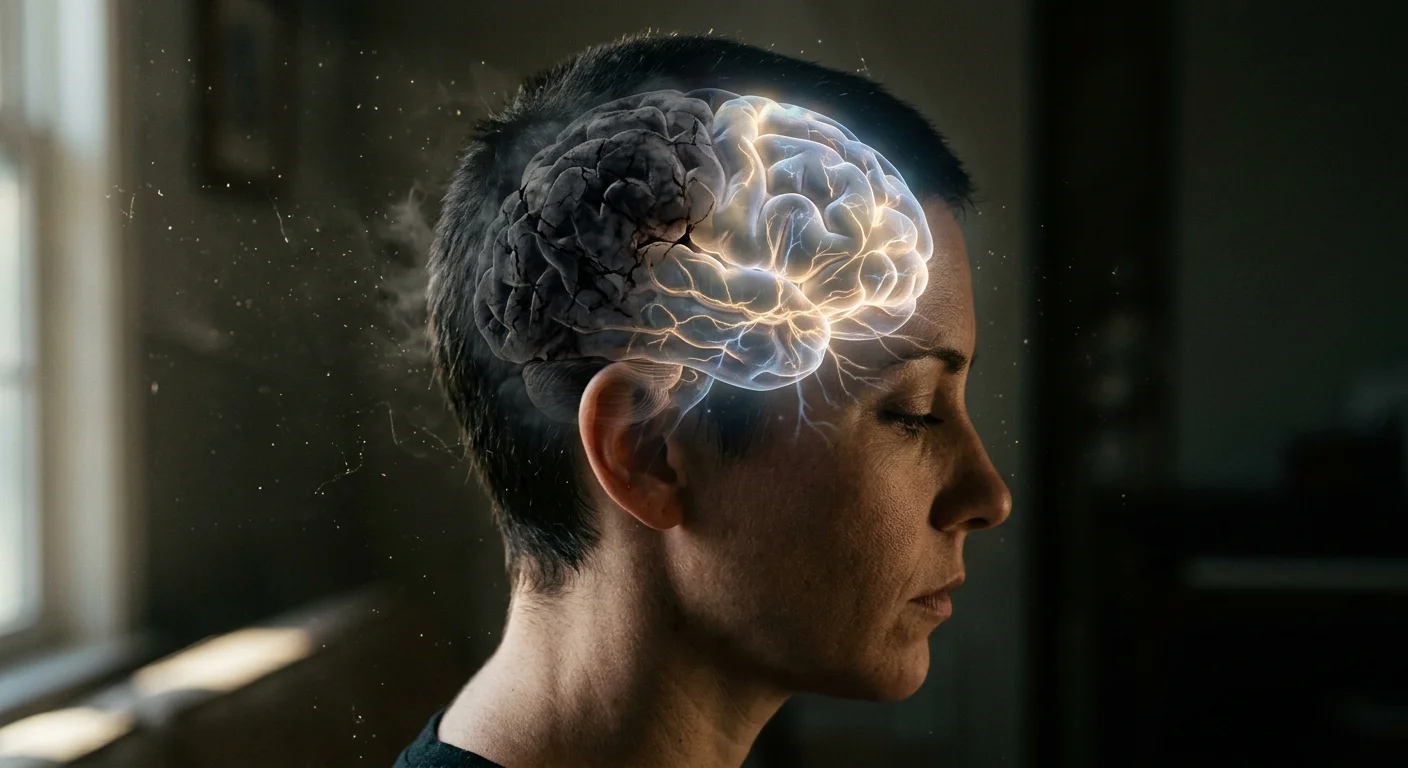

For individuals experiencing mild or short-term substance use, initial stabilization of neurotransmitters and basic cognitive recovery often takes about 90 days. For those recovering from chronic, severe, or long-term substance use disorders, complete neural remodeling and restoring baseline executive functioning typically requires 12 to 24 months of continuous sobriety. The precise healing window is determined by the specific substance used, individual genetics, and the consistency of active recovery practices. Early intervention using evidence-based outpatient programs can streamline this pathway by introducing structure and targeted therapeutic support. Professional guidance ensures that you avoid common pitfalls and maintain the stability necessary for deep neurological change.
The clinical and biological insights presented below serve educational purposes. This information does not replace professional medical advice, diagnosis, or personalized treatment plans. Please consult a qualified healthcare provider or an addiction treatment center before making changes to your healthcare or recovery regimen.
Understanding Neuroplasticity and Brain Healing Mechanisms
Neuroplasticity refers to the brain’s natural ability to reorganize its structure, functions, and connections throughout life in response to learning, environment, and behavioral changes. When substance use ceases, the brain immediately begins utilizing this inherent adaptive mechanism to repair damaged circuits. Chronic substance use floods the reward system with unnatural amounts of dopamine, causing the brain to downregulate its natural receptors to protect itself. This biological defense mechanism leaves individuals feeling flat, unmotivated, or anxious when the substance is removed.
During recovery, the brain slowly begins rebuilding these receptors and restoring chemical equilibrium. Neurons start forming new pathways, bypassing the old, damaged networks that previously triggered compulsive substance seeking. Clinical research published by the National Center for Biotechnology Information shows that brain tissue volume and cellular health begin to recover within weeks of discontinuing substance use. However, the complete restoration of complex decision-making pathways requires deep work, consistency, and a supportive environment to ensure new behavioral habits take firm root.
This healing process is not merely a passive waiting game. Active participation in cognitive exercises, physical movement, and therapeutic processing supplies the brain with the stimulation it needs to forge healthy connections. Think of the recovering brain as a muscle that has suffered an injury; targeted physical therapy is required to regain full strength and range of motion. By engaging in healthy behaviors repeatedly, you reinforce these positive neural pathways, making them stronger and more efficient over time.
How Long Does It Take to Rewire Brain from Addiction?
Restoring baseline dopamine receptor density and executive control pathways takes anywhere from 90 days to two full years. Within the first two to four weeks of abstinence, the acute physical withdrawal symptoms subside, and the brain begins to clear toxic residues. During this early phase, emotional volatility is common as the limbic system, which controls emotions and stress responses, struggles to find its footing without chemical assistance.
By the six-month mark, many individuals notice a substantial reduction in brain fog, an improved attention span, and more stable emotional responses. A landmark study cited by the National Institute on Drug Abuse revealed that it takes approximately 14 months of sustained abstinence from stimulants like methamphetamine for dopamine transporter levels in the striatum to return to near-normal levels. For opioids and alcohol, structural and functional restoration continues to show measurable improvements past the 24-month mark. This demonstrates that neural recovery is a continuous marathon rather than a short sprint.
It is helpful to view this timeline not as a period of waiting for life to begin, but as a progressive journey of reclaiming your mind. Each month of sobriety brings subtle, compounding improvements in memory, emotional regulation, and decision-making. While the initial months require the most conscious effort, the cognitive load decreases as healthy habits become second nature, allowing you to experience genuine joy and fulfillment once again.
Key Milestones of Brain Recovery After Addiction
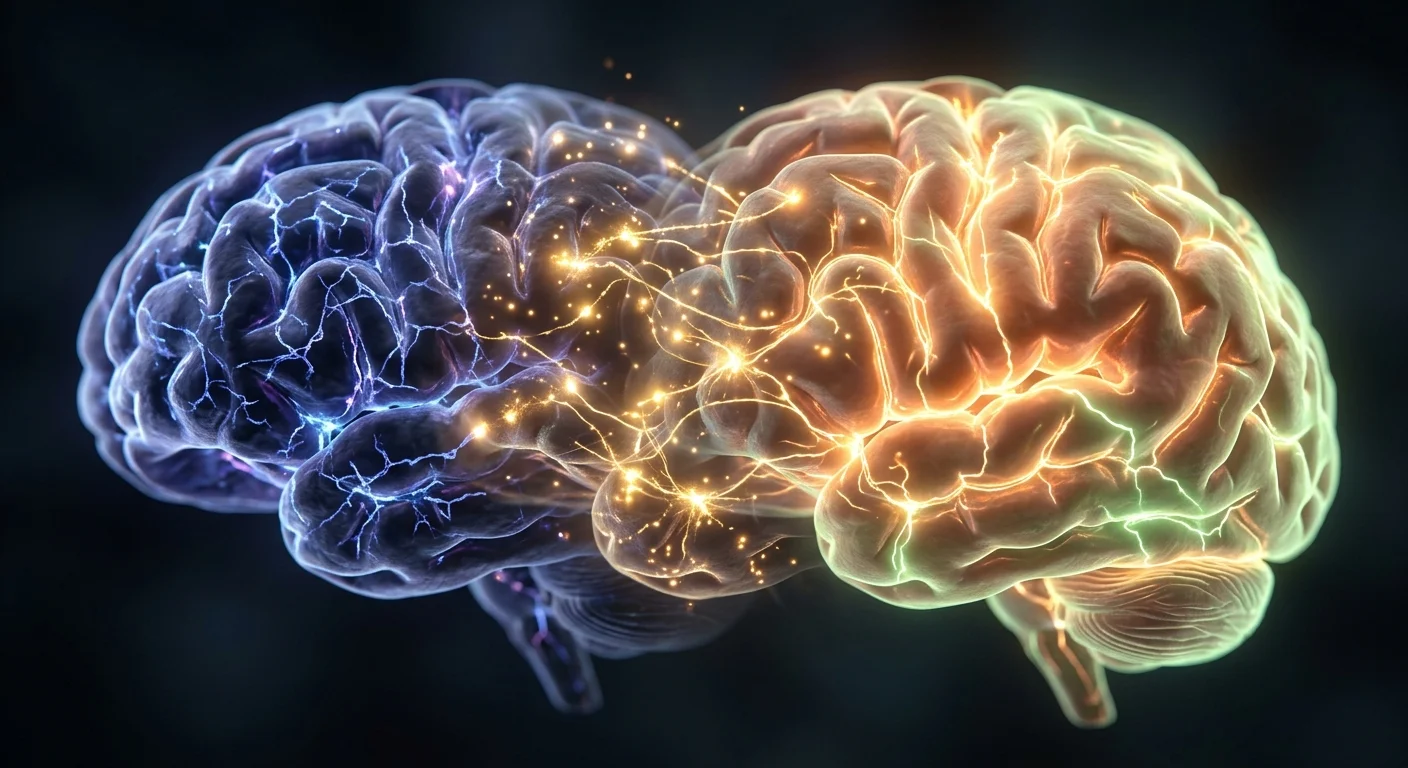
The path of neuroplastic recovery occurs in distinct stages, with each phase marked by different structural repairs and emotional experiences. In the first phase, which covers the first 30 days, the brain focuses primarily on cellular stabilization and restoring physical homeostasis. Physical cravings are intense during this time because the reward center still expects the substance.
The second phase, spanning from month two to month six, involves the rebuilding of basic neural networks. This is when individuals often experience Post-Acute Withdrawal Syndrome (PAWS), characterized by mood swings, sleep disturbances, and occasional cognitive delays. The third phase, lasting from six months to two years, is where profound cognitive remodeling takes place. During this extended period, the prefrontal cortex—the area responsible for judgment, impulse control, and long-term planning—regains its ability to override impulsive cravings. This structural recovery allows you to handle life’s challenges with resilience.
A study from the Nature Publishing Group indicates that executive cognitive function, governed by the prefrontal cortex, shows significant measurable improvement after one year of continuous sobriety, although subtle changes continue for up to two years. Navigating these phases successfully requires patience and a structured support system that can help you manage the emotional highs and lows that accompany physical healing.
Comparative Timeline of Neurological Healing
Understanding the specific biological changes occurring at each stage of recovery can provide reassurance and motivation. The table below outlines what is happening inside the brain during different phases of sobriety, alongside the corresponding cognitive and emotional improvements you can expect to experience.
| Timeframe | Neurological Milestones | Behavioral & Cognitive Effects |
|---|---|---|
| Days 1 to 30 | Neurotransmitter stabilization and reduced receptor inflammation. | Intense physical cravings, mood shifts, and gradual physical detoxification. |
| Months 2 to 6 | Restoration of basic dopamine pathways and cellular repair. | Improvement in focus, mild memory recovery, and presence of post-acute withdrawal. |
| Months 6 to 12 | Significant prefrontal cortex repair and emotional regulation stabilization. | Improved impulse control, reduced cravings, and enhanced problem-solving skills. |
| Years 1 to 2+ | Complete restoration of receptor density and deep behavioral rewiring. | Long-term emotional stability, decreased relapse risk, and return of natural joy. |
This structured progression highlights why consistency is so critical during the first year of sobriety. While the brain begins healing immediately, the most profound changes in impulse control and emotional balance occur in the later stages. Providing your body with a stable environment during these transition periods ensures that these delicate biological repairs can proceed without interruption.
How to Rewire Your Brain from Addiction with Therapy
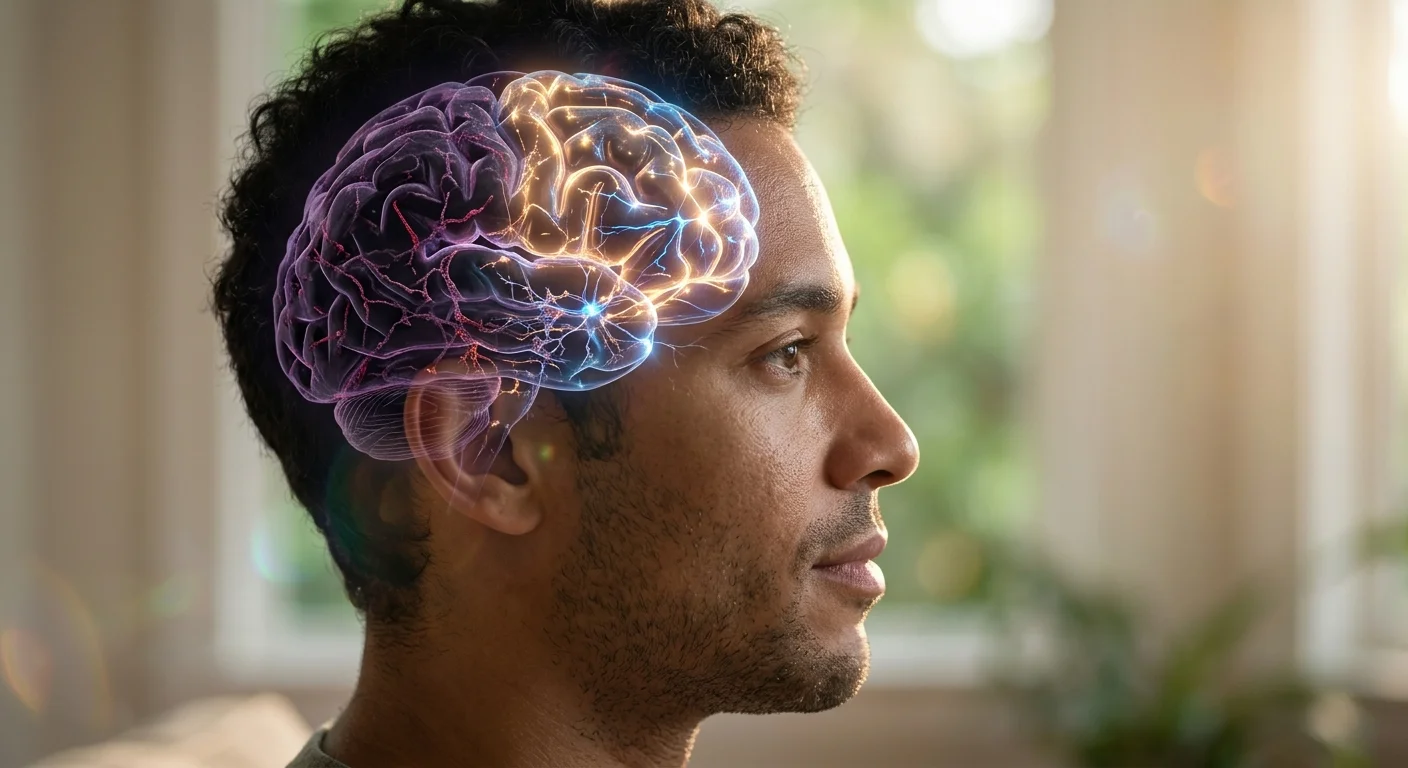
Behavioral therapy acts as the active blueprint that directs the biological process of neuroplasticity during recovery. Simply stopping substance use is not enough; the brain must actively learn new ways to manage stress, process emotions, and make decisions. Active therapy forces the brain to build and strengthen new neural pathways that bypass old addictive habits.
Clinical teams frequently utilize targeted modalities to facilitate this deep change. For example, cognitive behavioral therapy (CBT) helps you identify toxic thought patterns and consciously redirect them before they trigger a craving. Dialectical behavior therapy (DBT) teaches mindfulness and distress tolerance, preventing emotional spikes from overriding logical decision-making. Through repetitive practice, these clinical exercises transform conscious effort into automatic habits, physically altering the brain’s architecture to support a healthy, substance-free lifestyle.
Furthermore, group therapy and family therapy play an important role in restructuring social and relational pathways. Human beings are inherently social creatures, and our brains are wired to connect with others. Rebuilding healthy relational dynamics helps heal the social reward systems of the brain, providing a sense of safety and belonging that counteracts the isolation often associated with substance use disorders.
What Factors Affect the Timeline of Neurological Healing?
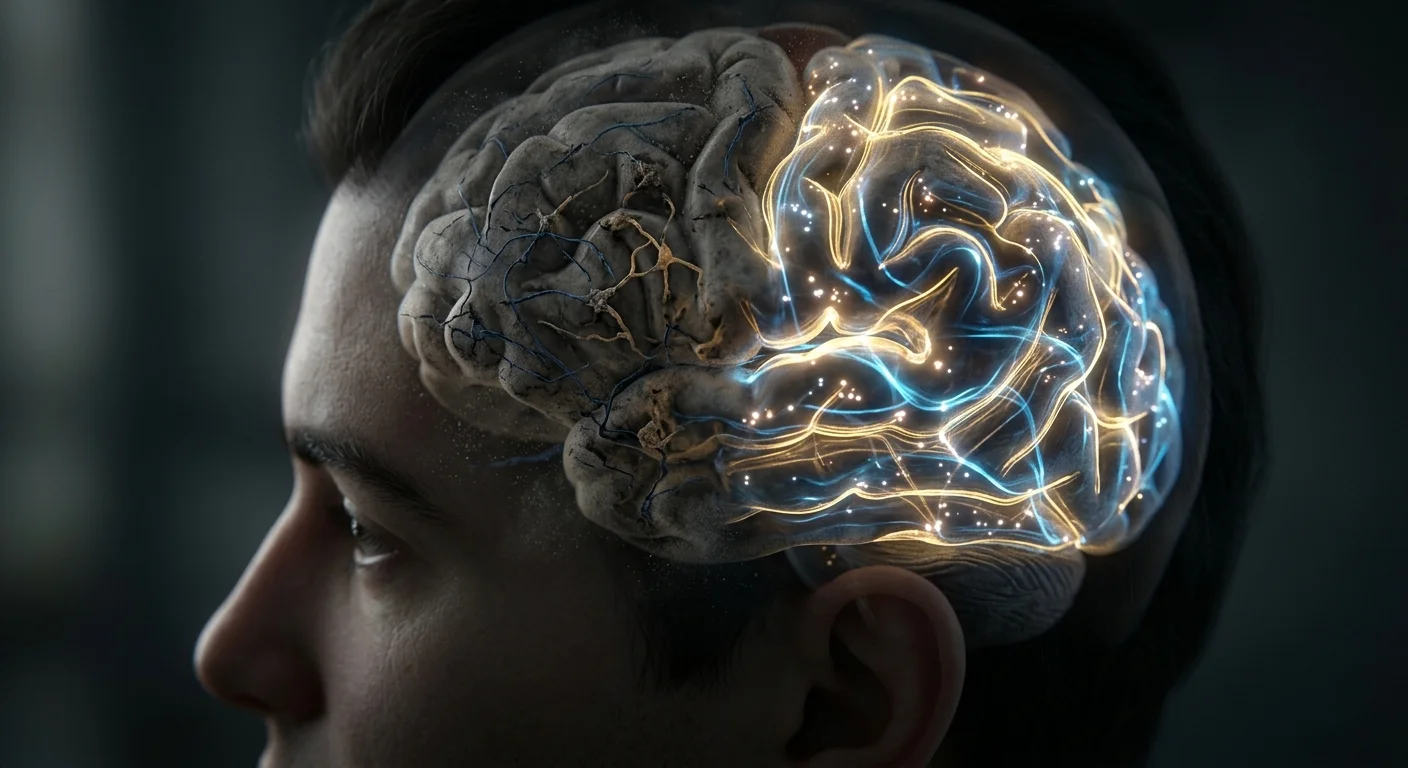
The duration of neural repair varies widely among individuals due to several biological, environmental, and behavioral variables. Understanding these factors can help you set realistic expectations and customize your recovery plan to give your brain the best possible environment for healing.
Key factors that influence this timeline include:
- The specific substance used: Different substances impact the brain in unique ways. For example, alcohol and benzodiazepines require careful medical management and can cause prolonged cognitive adjustments, while stimulants heavily impact the dopamine system.
- Duration and intensity of use: Chronic, heavy substance use over several years creates deeply grooved neural pathways that require more time to bypass and restructure.
- Co-occurring mental health conditions: Struggling with underlying conditions like depression, anxiety, or trauma alongside a substance use disorder can complicate and prolong the healing process if not treated concurrently.
- General physical health and age: Younger brains generally exhibit higher levels of neuroplasticity, though significant healing and rewiring remain fully achievable at any age.
- Quality of professional support: Active participation in a structured clinical program significantly accelerates structural repairs by providing consistent guidance and healthy coping mechanisms.
While some of these factors, such as age or genetic history, are outside of your control, the quality of your support system and your commitment to healthy habits are entirely within your power. Focus on the actionable steps you can take today to support your body’s natural healing processes.
Expert Advice: Common Mistakes to Avoid in Neural Recovery
An experienced clinical practitioner will tell you that a common mistake is relying solely on willpower rather than structured support systems. Willpower is a finite cognitive resource controlled by the prefrontal cortex—the very part of the brain that is compromised during early recovery. Expecting a damaged brain region to perform at peak capacity without external support frequently leads to frustration, exhaustion, and relapse.
Another common pitfall is expecting immediate cognitive clarity and emotional stability. Healing is a non-linear process, and experiencing moments of frustration, forgetfulness, or moodiness is a normal part of the neurological recalibration process. Rather than viewing these as failures, recognize them as signs that your brain is actively working to rebuild itself. Transitioning into structured outpatient programs, such as a intensive outpatient program (IOP), provides the external guardrails necessary to protect your progress while your brain heals from the inside out.
Additionally, ignoring physical health—such as poor nutrition or lack of sleep—can severely hinder neuroplasticity. The brain requires physical building blocks, including essential amino acids, fatty acids, and vitamins, to rebuild neurotransmitters and repair cellular structures. Neglecting these basic physical needs starves the brain of the resources it desperately needs to heal.
Daily Actions and Habits That Support Brain Recovery
You can actively accelerate the process of neuroplasticity by adopting specific lifestyle habits that promote brain health. Combining clinical treatment with positive daily routines provides your brain with the physical resources it needs to heal and grow.
Consider implementing these evidence-based habits into your daily routine:
- Regular physical exercise: Aerobic exercise releases brain-derived neurotrophic factor (BDNF), a protein that supports neuron survival, growth, and the creation of new neural pathways.
- Nutrient-dense nutrition: A diet rich in antioxidants, omega-3 fatty acids, and essential vitamins helps repair cellular damage, reduces systemic inflammation, and supports neurotransmitter production.
- Consistent sleep hygiene: The brain’s glymphatic system actively clears out metabolic waste and toxins during deep sleep, making 7 to 8 hours of quality sleep vital for daily cognitive recovery.
- Mindfulness and meditation: Regular mindfulness practice reduces activity in the amygdala, helping to manage stress responses, anxiety, and sudden cravings.
- Creative and cognitive challenges: Learning a new skill, reading, or working on puzzles stimulates cognitive development and encourages the brain to build new, healthy connections.
By consciously incorporating these habits, you actively collaborate with your brain’s natural healing mechanisms. Over time, these small daily choices accumulate, leading to profound changes in how you think, feel, and respond to the world around you.
Professional Addiction Treatment at New Growth Recovery
If you or a loved one is ready to begin the journey of healing, seeking professional care is the most effective way to support your brain’s recovery. New Growth Recovery in Springfield, Massachusetts, offers a range of outpatient programs tailored to your unique needs. Our clinician-led team provides the tools, therapy, and support needed to guide your brain through the complex stages of neuroplasticity.
We understand that taking the first step can feel overwhelming, which is why we emphasize fast access to care and same-day admissions when available. Our programs are designed to fit into your life without requiring overnight stays, giving you the flexibility to maintain work, school, and family commitments. We accept a variety of major insurance plans to make treatment accessible and stress-free. To find out more about our programs, services, and how we can support your journey, please contact us directly through our website.
Reaching out for help is not a sign of weakness; it is the first and most courageous step toward reclaiming your life. With a dedicated team of professionals by your side, you can build a strong foundation for long-term healing, biological recovery, and hope. Contact New Growth Recovery today to speak with our compassionate team and learn how we can help you start your recovery journey.

FAQ
What is the fastest way to heal your brain after addiction?
The fastest way to support neural repair is through a combination of clinical behavioral therapy, consistent physical exercise, a nutrient-dense diet, and proper sleep. These habits promote the release of growth factors like BDNF while therapy actively builds new cognitive pathways.
Can a brain fully recover from long-term alcohol use?
Yes, many areas of the brain can achieve significant recovery, although the timeline varies. While some heavy, long-term use can result in persistent cognitive changes, studies show that most structural damage and cognitive deficits improve significantly after one year of continuous sobriety.
How does cognitive behavioral therapy help rewire the brain?
Cognitive behavioral therapy helps rewire the brain by teaching you to recognize, challenge, and replace negative thought patterns and triggers. This repetitive practice strengthens the prefrontal cortex and builds new, healthy neural connections that bypass old pathways of compulsive behavior.
Is brain damage from drug use permanent?
Not always, as the brain has an incredible capacity for self-repair through neuroplasticity. While some severe or prolonged substance use can lead to long-lasting changes, early and consistent treatment allows the brain to rebuild pathways, restore neurotransmitter balance, and recover executive functions.
When do emotions stabilize during substance use recovery?
Emotions generally begin to stabilize between three to six months into recovery as the limbic system adjusts to functioning without chemical interference. Post-acute withdrawal symptoms, like mood swings and anxiety, gradually decrease during this time as baseline chemistry is restored.
Does sleep affect how fast the brain heals from addiction?
Yes, sleep is critical because the brain’s glymphatic system actively clears out cellular waste and toxins during deep sleep cycles. Developing a consistent, healthy sleep routine provides the brain with the optimal environment needed for cellular repair and cognitive recovery.