
To break an addiction, you should plan for a multi-stage timeline rather than a single calendar milestone: expect 7 to 14 days for physical detoxification, at least 90 days for initial brain chemistry stabilization, and a continuous commitment to behavioral maintenance thereafter. For those seeking sustainable recovery, clinical evidence shows that participating in structured treatment for at least 90 days significantly improves outcomes and drastically reduces relapse risks. Addiction is not a simple behavioral habit that can be unlearned in a few weeks; it is a chronic brain disease that alters neural pathways. To truly heal, individuals must navigate distinct physiological and psychological phases under professional guidance. While the physical cravings may begin to subside after a few weeks, rebuilding coping mechanisms, repairing relationships, and healing the underlying trauma requires ongoing care. Entering a comprehensive outpatient program offers the structure, medical oversight, and therapeutic support necessary to safely navigate this timeline without completely pausing your daily life.
Medical Disclaimer: The information provided in this article is for educational and informational purposes only and should not be construed as professional medical advice, diagnosis, or treatment. Always consult with a qualified healthcare provider or addiction specialist regarding any medical condition or treatment plan.
The Timeline of Neurobiology: How Long Does It Take to Get Over an Addiction?
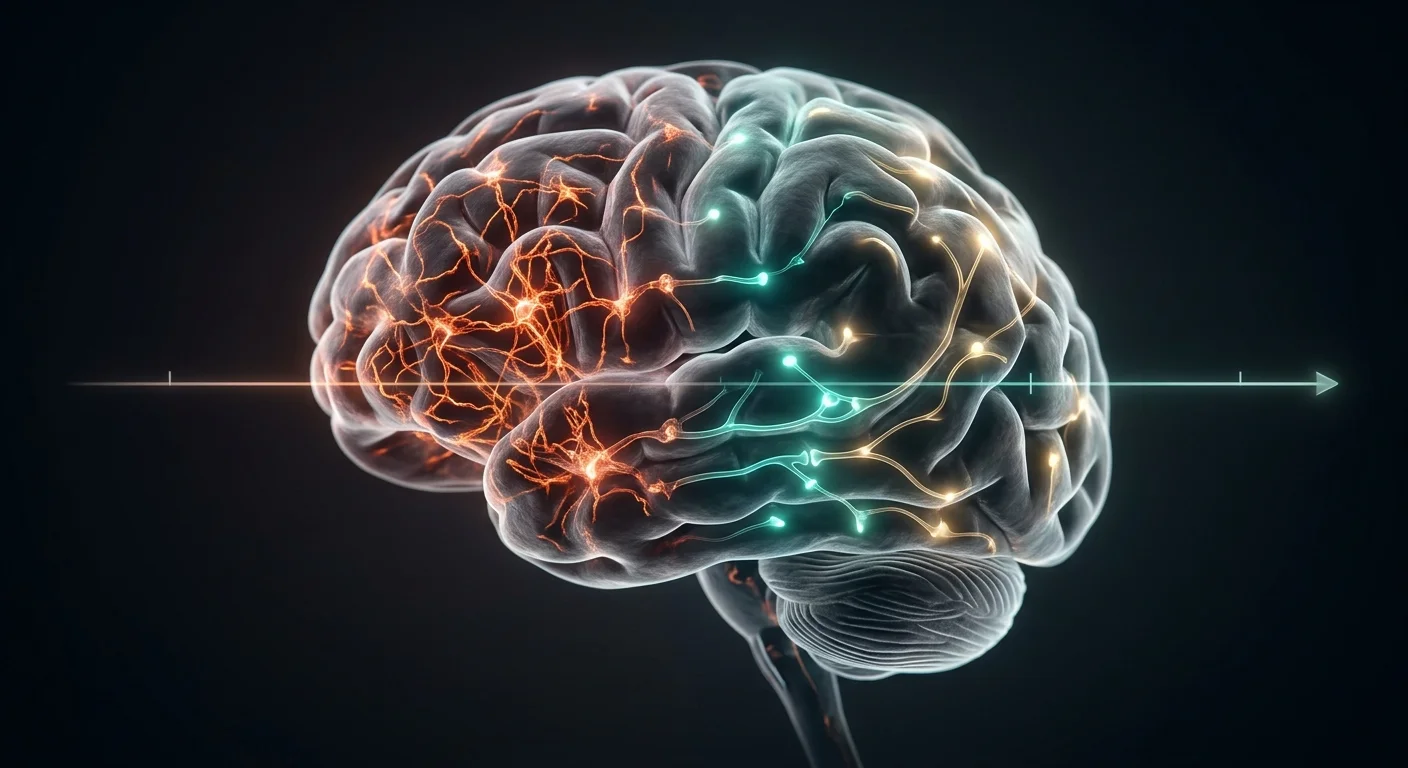
How long does it take to get over an addiction depends largely on how quickly the brain can repair its damaged neural circuitry. When a person struggles with substance use, drugs or alcohol hijack the brain’s natural reward system by flooding it with dopamine. Over time, the brain stops producing dopamine naturally, relying entirely on the external substance to function. According to research published by the National Institute on Drug Abuse, it takes a minimum of 90 days for the brain to begin resetting its baseline dopamine levels and rebuilding neural pathways.
This 90-day threshold is why short-term programs often fall short. The brain remains actively starved of its natural chemical balance during the first few months of abstinence. Attempting to navigate early recovery without professional support during this vulnerable neurobiological rewiring phase frequently results in high relapse rates. True cognitive recovery, where memory, decision-making, and emotional regulation return to normal levels, can continue for up to 12 to 24 months as the prefrontal cortex heals.
According to neuroimaging studies published by the National Institutes of Health, physical brain recovery becomes visible on scans after approximately 14 months of continuous abstinence. This research demonstrates that the brain possesses remarkable neuroplasticity, meaning it can heal and form new, healthy pathways over time. However, this biological reconstruction requires a stable, substance-free environment and continuous therapeutic reinforcement.
Myth vs. Reality: How Many Days to Break an Addiction Habit?

How many days to break an addiction habit is a question frequently answered with the outdated “21-day rule,” which is a dangerous oversimplification when applied to clinical substance dependence. The popular myth that it takes exactly 21 days to form or break any habit originated from a 1960 book by plastic surgeon Maxwell Maltz, who observed that amputees took about three weeks to adjust to their new physical reality. However, modern scientific studies paint a much more realistic and complex picture.
A landmark study published in the European Journal of Social Psychology by Dr. Phillippa Lally and her research team found that it takes an average of 66 days to form a simple, healthy habit, with some complex behaviors taking up to 254 days to solidify. Because addiction alters the deep survival structures of the brain rather than just creating a routine behavioral loop, breaking an addiction requires far more time and clinical intervention than breaking a standard lifestyle habit like drinking more water or exercising daily.
While a habit involves a choice, addiction strips away the ability to choose rationally, requiring comprehensive clinical support to overcome. In 2026, modern clinical protocols recognize that treating addiction as a simple habit change leads to inadequate care. Effective programs focus on long-term lifestyle restructuring and emotional regulation rather than relying solely on willpower to cross a specific calendar day.
The Four Sequential Phases of the Recovery Timeline
Overcoming substance use disorders is a structured journey that progresses through distinct physiological and psychological stages. Attempting to bypass any of these stages increases the risk of returning to active substance use. Clinicians categorize this progression into four key phases:
- Acute Withdrawal and Detoxification (Days 1 to 14): The body clears the physical toxins of the substance. Symptoms can range from mild anxiety and sweating to severe, life-threatening complications like seizures or delirium tremens. This stage requires close medical supervision, often facilitated by professional detox referrals.
- Post-Acute Withdrawal Syndrome (PAWS) and Early Stabilization (Days 15 to 90): Once physical symptoms clear, psychological symptoms like depression, severe anxiety, sleep disturbances, and intense cravings emerge. During this phase, the brain is actively struggling to regulate mood without the chemical assistance of substances.
- Behavioral Restructuring and Active Rehabilitation (Months 3 to 6): This is the phase where deep therapeutic work occurs. Individuals identify their personal triggers, develop healthy coping mechanisms, address underlying co-occurring mental health disorders, and begin repairing damaged interpersonal relationships.
- Long-Term Maintenance and Aftercare (Month 6 and Beyond): Recovery shifts from an active struggle to a lifestyle. Individuals participate in ongoing outpatient therapy, alumni groups, and peer support networks to protect their sobriety against life’s unpredictable stressors.
Navigating these phases successfully requires patience and a willingness to accept professional guidance. Each phase presents unique challenges that cannot be rushed, as your body and mind need time to adapt to a life free from chemical dependencies.
Comparing Treatment Models and Timelines
Selecting the appropriate level of care is critical to navigating the recovery timeline successfully. Different treatment models offer varying levels of structure, clinical hours, and medical oversight to match an individual’s specific stage of recovery. Below is a detailed comparison of the primary options available at a professional addiction treatment center:
| Treatment Level | Average Duration | Weekly Clinical Hours | Best Suited For |
|---|---|---|---|
| Medical Detoxification | 3 to 10 Days | 24/7 Medical Monitoring | Safe management of physical withdrawal symptoms. |
| Extended Day Treatment (PHP) | 2 to 6 Weeks | 25 to 30 Hours | High-intensity therapy while living at home safely. |
| Intensive Outpatient Program (IOP) | 8 to 12 Weeks | 9 to 15 Hours | Flexible therapy to accommodate work, school, and family. |
| Aftercare Programs & Ongoing Therapy | 6 Months to Multi-Year | 1 to 3 Hours | Relapse prevention and continuous support. |
While residential programs require patients to live at a facility, outpatient programs allow individuals to receive high-quality clinical care while maintaining their daily responsibilities. This flexibility helps patients practice their newly learned coping skills in real-world environments immediately.
Crucial Variables That Alter Your Personal Sobriety Timeline
No two individuals progress through recovery at the exact same pace because biological, psychological, and environmental factors differ significantly from person to person. Understanding these variables helps set realistic expectations for your journey.
- The Specific Substance Used: Different chemicals affect the central nervous system in unique ways. For example, recovering from severe alcohol dependence requires immediate, medically supervised intervention due to dangerous withdrawal risks, which is why accessing specialized alcohol rehab in Springfield is highly critical. Stimulants like cocaine or methamphetamine cause prolonged emotional flatlining (anhedonia) that can last for months, while opioids trigger intense physical pain during early withdrawal.
- Duration and Intensity of Active Use: Someone who has struggled with severe substance use for a decade will require a longer period of cognitive rewiring and physiological healing than someone who has been using for six months.
- Co-occurring Mental Health Conditions: Dual diagnosis, such as having depression, anxiety, or post-traumatic stress disorder (PTSD) alongside an addiction, complicates the timeline. Both conditions must be addressed simultaneously through dual diagnosis treatment to support successful long-term recovery.
- Biological Factors and Genetics: Age, liver and kidney health, overall metabolism, and genetic predispositions dictate how quickly the body metabolizes toxins and heals from cellular damage.
Because of these unique differences, cookie-cutter treatment plans are rarely successful. Personalized clinical care that addresses your specific physical, mental, and environmental circumstances is the most effective pathway to sustained, long-term sobriety.
Common Pitfalls and Expert Advice on Navigating the Recovery Process

Unrealistic expectations represent one of the most common reasons individuals abandon their treatment plans prematurely. As clinical practitioners, we frequently see individuals stop attending therapy sessions or outpatient groups after 30 days because they feel cured and their physical cravings have temporarily quieted. This is a critical mistake: physical healing always outpaces psychological healing.
This deceptive period is often referred to by clinicians as the “pink cloud” phase, where patients experience an artificial high during early sobriety. Once this initial euphoria fades and life’s daily stressors return, individuals without established coping mechanisms are highly vulnerable to relapse. To avoid this trap, clinicians recommend the following strategies:
- Never attempt to “white-knuckle” detoxification alone, particularly from alcohol or benzodiazepines, as sudden withdrawal can be fatal.
- Commit to a structured outpatient program even when you feel strong, as the accountability prevents impulsive slips during sudden life crises.
- Focus on incremental progress rather than focusing solely on a distant end-date; celebrating consecutive days of sobriety builds psychological momentum.
- Engage your close family members in therapy to build a supportive, drug-free home environment that actively fosters healing.
According to data reported by the Substance Abuse and Mental Health Services Administration, individuals who complete a structured transition from high-intensity care to outpatient aftercare have a 40% higher rate of maintaining continuous sobriety after one year compared to those who exit treatment immediately after physical detox.
Take the First Step Toward Your Recovery Today

Breaking the cycle of addiction is a deeply personal journey that requires time, patience, and professional expertise. Trying to navigate the physical withdrawal symptoms and complex emotional triggers alone can feel overwhelming and, in many cases, unsafe. At New Growth Recovery, our outpatient addiction treatment center in Springfield, Massachusetts, provides the compassionate, structured support you need to build a lasting foundation for recovery. By choosing a professional program, you gain immediate access to trauma-informed therapy, dual-diagnosis care, and a dedicated team committed to helping you heal with dignity and respect. If you or a loved one is ready to take back control of your life, contact us directly to discuss your options and verify your insurance coverage today.

FAQ
Can an addiction be completely cured?
While addiction cannot be cured in a medical sense, it can be highly successfully managed and put into long-term remission. Much like managing other chronic health conditions such as type 2 diabetes or cardiovascular disease, maintaining recovery requires consistent daily habits, ongoing self-awareness, and professional support when necessary.
What is the hardest day when breaking an addiction?
The hardest days are typically days 3 through 5 of acute physical withdrawal, as toxins completely exit the body and cravings peak, and day 60 to 90 when the initial motivation fades and post-acute withdrawal symptoms set in. Navigating these specific high-risk windows with professional medical and therapeutic support is crucial to preventing relapse.
How does age affect how long it takes to recover from addiction?
Age can influence physical recovery speed, as younger bodies often process toxins and regenerate damaged organs more quickly than older bodies. However, older adults often exhibit higher levels of treatment adherence, life experience, and emotional maturity, which can significantly accelerate and stabilize the psychological aspects of the recovery timeline.
What causes some people to relapse after years of sobriety?
Relapse after years of sobriety usually occurs when an individual stops actively managing their recovery, experiences overwhelming stress, or encounters unresolved trauma triggers without utilizing coping mechanisms. Because addiction is a chronic condition, the neural pathways associated with substance use remain dormant but present, meaning a single exposure can quickly reactivate the addictive cycle.
Is physical detox enough to break a substance addiction?
No, physical detox only addresses physical dependence and does not treat the underlying psychological, emotional, or environmental drivers of substance use. To successfully break an addiction long-term, detox must be followed by comprehensive behavioral therapy, lifestyle counseling, and ongoing peer support.
How do I know if I need outpatient treatment or residential rehab?
You may benefit most from outpatient treatment if you have a stable, drug-free living environment, must maintain work or family obligations, and possess the self-discipline to attend scheduled therapy sessions. Residential rehab is typically recommended for individuals with severe, long-term addictions, lack of a supportive home life, or a history of frequent relapses during outpatient care.