Morphine Addiction Treatment
At New Growth Recovery, we offer compassionate, evidence-based morphine addiction treatment in Springfield, Massachusetts through flexible outpatient programs. Our experienced team creates individualized treatment plans that address both the physical and emotional aspects of morphine addiction, helping patients achieve lasting recovery while maintaining their daily responsibilities.

What is Morphine?
Morphine is a very potent opioid pain reliever and one of the oldest medications of its kind. It comes from the opium poppy, the same plant behind codeine and heroin, and it’s usually the drug other opioids are measured against for strength.
Doctors use morphine for moderate to severe pain that doesn’t respond to milder medications. It’s common after major surgery, for serious injuries, during cancer treatment, and in end-of-life care. It works by acting on the brain and nervous system to block pain signals, bringing relief when little else does. It comes in several forms – tablets, capsules, oral solutions, and injections.
As a controlled substance, morphine is tightly regulated. It’s available only by prescription and meant to be used under close medical supervision.
Is Morphine Addictive?
Yes, morphine is very addictive, which is a large part of why it’s so tightly controlled. Like other opioids, it acts on the brain’s reward system, producing a sense of calm and well-being alongside pain relief. That pleasurable effect is what makes it so easy to misuse. Even patients who take it exactly as prescribed can develop dependence over time. Addiction can affect anyone, regardless of how their use began.

PFML available in Massachusetts
Many MA employees can take paid time off for family or medical reasons. Your job and benefits are protected.


Morphine Addiction Treatment in Springfield, MA
Morphine rehab is entirely possible with the right support. And the sooner it begins, the better the outcome tends to be. Morphine dependence rarely improves on its own, and the longer it goes unaddressed, the harder it becomes to break.

Morphine Detox
Morphine addiction treatment starts with detox – safely clearing the drug from the body under medical supervision. Opioid withdrawal can be very rough, so professional support makes the process safer and more comfortable.
New Growth Recovery doesn’t offer detox in-house. Instead, we connect you with trusted local providers who handle safe, supervised withdrawal. Once it’s done, you come back to us for the morphine rehab.

Outpatient Morphine Rehab
After detox, the recovery work begins. At our addiction treatment center, we focus on outpatient care for morphine addiction, so you get professional treatment while still living at home and keeping up with work, school, and family.
At our morphine rehab center, we adjust to how much help you need – from Extended Day Treatment to Day Treatment to virtual options. Each one has individual, group, and family therapy with relapse prevention, and you can move between levels, all the way through to aftercare, without ever switching clinics.
Levels of Hydrocodone Rehab Programs
From flexible sessions to structured partial-day care, you’ll get the right intensity with a clear step-down plan.

Extended Day Treatment (PHP)
You’ll attend 5 to 6 hours of care each day, several days per week. Extended Day Treatment includes therapy, family support, and wellness activities like yoga or fitness.
Day Treatment (IOP)
You’ll join three-hour sessions, 3 to 5 days weekly, with flexible scheduling. Day Treatment includes therapy, skills practice, and family involvement to support balance.
Virtual Treatment Program
You can attend groups and individual telehealth sessions online. Online rehab follows the same clinical standards and supports privacy, access, and consistency.
Detox Program
If you need withdrawal support before starting, we coordinate fast medical detox placement with trusted partners. This prevents gaps in care and lowers relapse risk.
Therapy and Counseling
Receive addiction counseling with individual, group, and family therapy using CBT, DBT, and trauma care. Yoga and animal-assisted therapy provide added support.
Aftercare Program
Experience transitional support after your main program ends through our Aftercare Program. This helps you bridge into long-term recovery with continued guidance and resources.
Disclaimer: Due to Massachusetts licensing, New Growth Recovery uses “Extended Day Treatment” and “Day Treatment.” These are comparable to a Partial Hospitalization Program and an Intensive Outpatient Program, respectively.

Morphine Addiction Symptoms
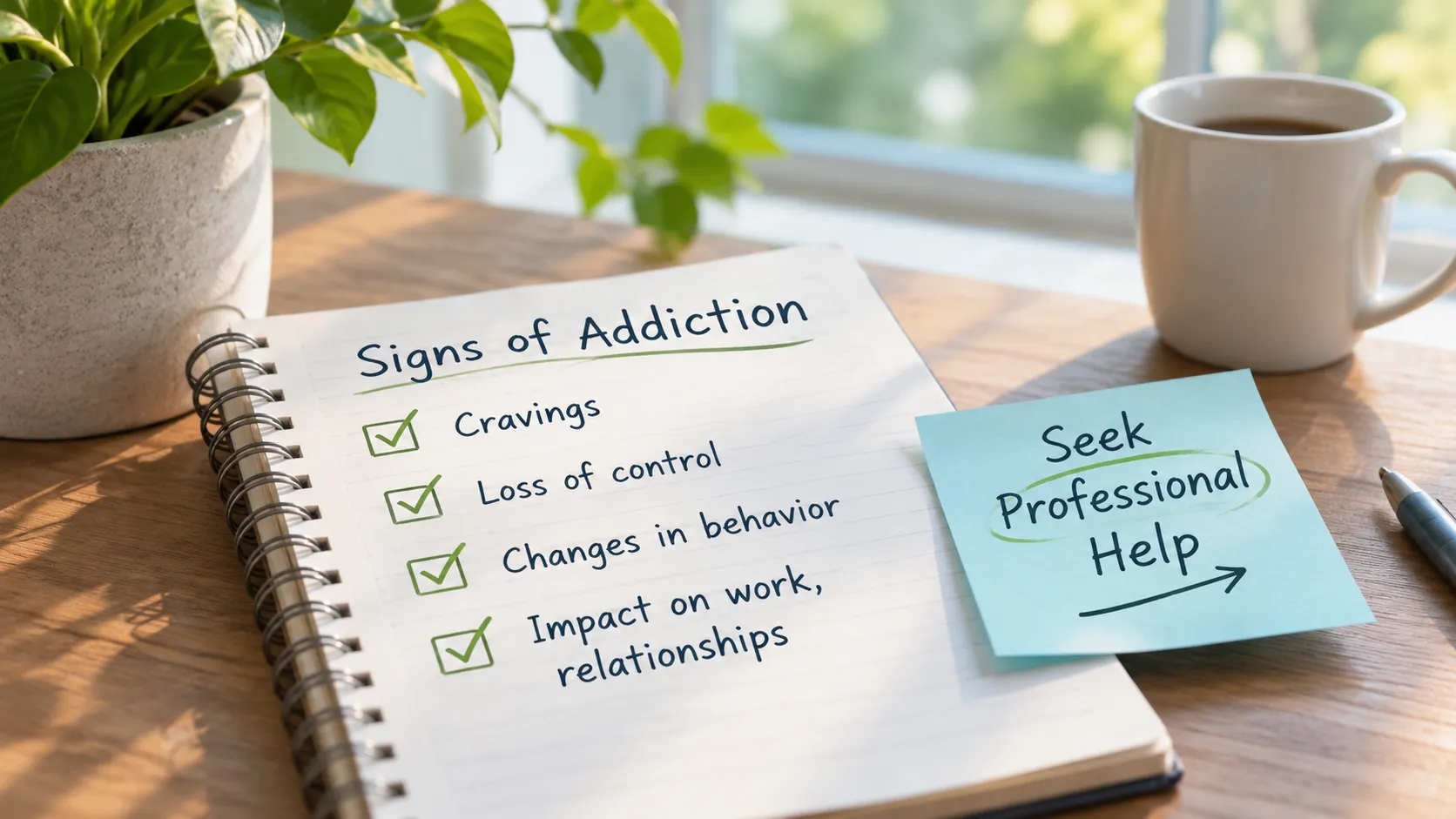
- Rising Tolerance. Over time, the usual dose stops working, and it takes more and more morphine to get the same effect.
- Constant Cravings. The urge to use keeps returning, gnawing away even during stretches when there’s no pain to treat.
- Feeling Sick Between Doses. Sweating, aches, nausea, or restlessness can be triggered as the drug leaves the system, which is the body’s way of signaling it’s come to rely on it.
- Using Off-Script. Reaching for more than the label allows, dosing more often than planned, or staying on morphine long after the original injury has healed and there’s no pain.
- Nodding Off. Drifting into a heavy, sedated state at strange times, or seeming foggy and half-awake through the day.
- Doctor Shopping. Booking appointments with several doctors, or pushing for refills sooner than the last script should have lasted.
- A Change in Character. Becoming short-tempered, on edge, or withdrawn, and losing the drive for hobbies and people that once mattered.
- Growing Secretive. Downplaying how much is used, covering their tracks, and quietly stepping back from friends and family.
- Pushing On Anyway. Continuing to use even as the damage piles up – to health, money, and the relationships closest to them.
Morphine Withdrawal Symptoms
- Runny Nose and Watery Eyes. Flu-like symptoms often appear early, with the nose and eyes streaming for no obvious reason.
- Goosebumps and Chills. The skin can prickle and crawl, or trigger cold shivers as the body struggles to regulate itself.
- Stomach Cramps and Diarrhea. The digestive system often goes off track during withdrawal, bringing painful cramps, loose stools, and dehydration.
- Muscle and Bone Pain. A deep, restless ache feels in the muscles and joints, one of the most draining parts of coming off morphine.
- Trouble Sleeping. Falling and staying asleep becomes difficult, leaving people exhausted just as their bodies need rest most.
- Excessive Yawning. Frequent, uncontrollable yawning is a classic marker of opioid withdrawal.
- Fever and Sweating. The body may run hot and drench in sweat as it works to flush the drug from its system.
- Racing Heart. The pulse can quicken and blood pressure climb, placing extra strain on the body during withdrawal.
- Nausea and Vomiting. Waves of nausea and vomiting are common, adding to the fluid loss from other symptoms.
- Agitation and Unease. Restlessness persists, often paired with a low, anxious mood that’s hard to overcome.

What to Expect From Morphine Rehab
Morphine rehab starts with an assessment in which the clinical team reviews your history, health, and any co-occurring conditions to develop a plan that fits your case.
From there, most of the work happens through therapy, including individual sessions to unpack personal triggers, group sessions for support and accountability, and family sessions to rebuild trust at home. You’ll also learn practical relapse prevention skills for handling cravings and high-risk moments.
As you progress, the intensity may ease, and you step down through levels of care toward aftercare. Morphine recovery isn’t instant, but with steady professional support, everything is possible.

Costs, Insurance, and Accessibility
We make treatment accessible by working with most insurance providers:

Why Choose New Growth Recovery for Morphine Addiction Treatment
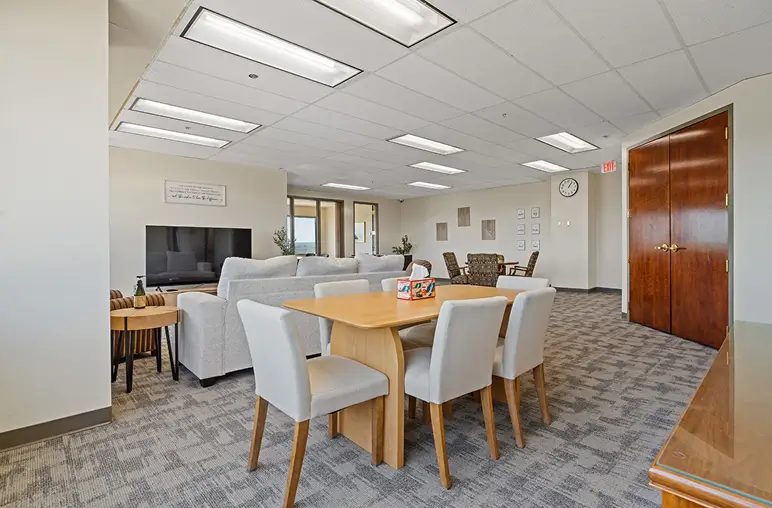
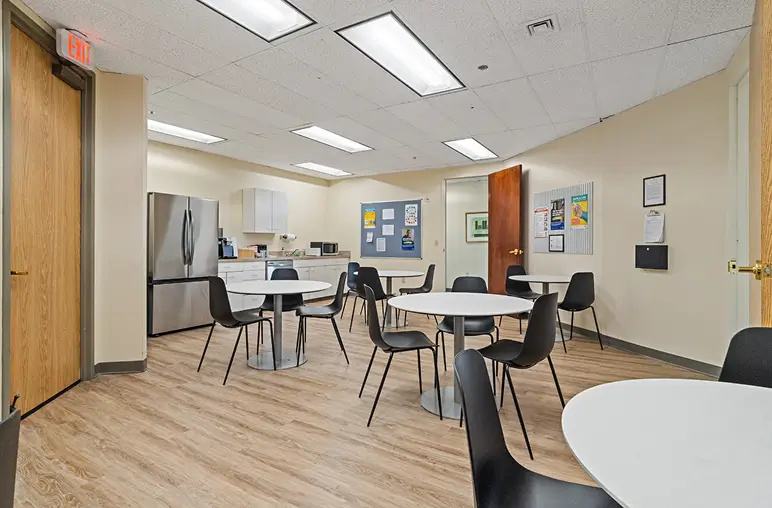
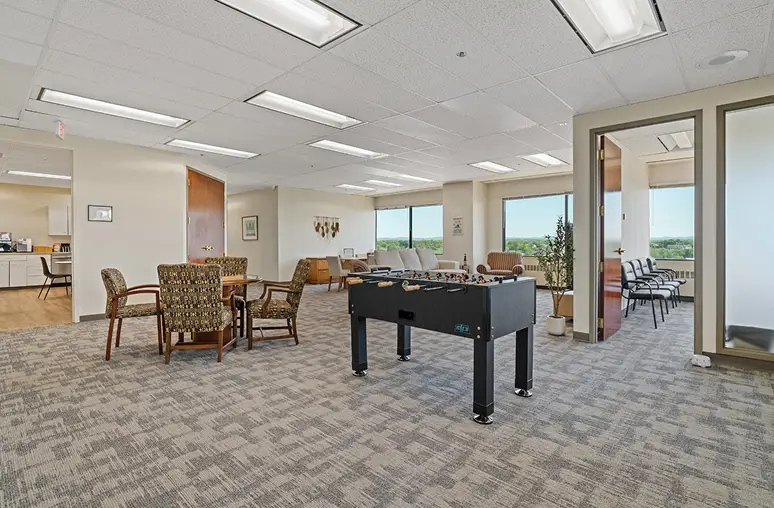
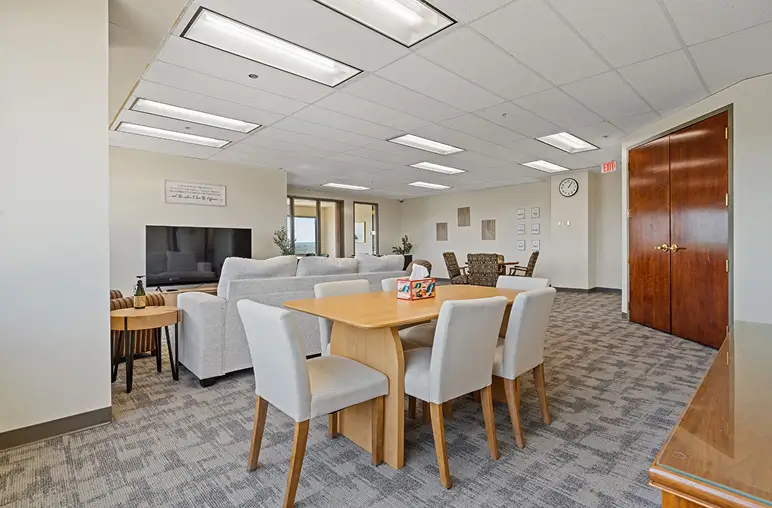
Beyond standard therapy, our morphine addiction program provides support for the more challenging stages of early recovery, including trauma-informed yoga, animal-assisted therapy with on-site dogs, and optional fitness sessions – all in a calm, sunlit space that feels nothing like a dull hospital.
There’s practical support, too. We help eligible Massachusetts patients arrange protected leave through PFML, and we work directly with most major insurers so the paperwork doesn’t fall on you or your family members. Our care also covers opioids and other substances, including oxycodone addiction treatment, meth addiction treatment, and inhalant addiction treatment, so whatever you’re facing, you’re in good, caring hands.
If you or your loved one needs help, call us or verify your insurance online.
How to Get Started
Call or walk in for a same-day assessment
Complete intake virtually or in person
Verify benefits and begin care within 24 hours
Client Reviews About Our Morphine Addiction Treatment


 Trustindex verifies that the original source of the review is Google.
 Trustindex verifies that the original source of the review is Google.
 Trustindex verifies that the original source of the review is Google.
 Trustindex verifies that the original source of the review is Google.
 Trustindex verifies that the original source of the review is Google.
 Trustindex verifies that the original source of the review is Google.
 Trustindex verifies that the original source of the review is Google.
 Trustindex verifies that the original source of the review is Google.
 Trustindex verifies that the original source of the review is Google.
Contact Us Today

FAQs About Morphine Addiction Treatment
What is morphine addiction?
Morphine addiction is a chronic condition in which a person becomes physically and psychologically dependent on morphine. Professional morphine addiction treatment helps address both the physical dependence and the underlying causes of addiction.
What does morphine addiction look like?
Morphine addiction often develops gradually. A person may start taking higher doses than prescribed, experience strong cravings, show mood or behavior changes, withdraw from loved ones, or continue using morphine despite negative consequences. Seeking treatment for morphine addiction early can help prevent the condition from becoming more severe.
Can you recover from morphine addiction?
Yes. With medical support, therapy, and ongoing relapse prevention, many people achieve lasting recovery. A structured treatment for morphine addiction provides the tools needed to build a healthier future.
What happens during morphine rehab?
Treatment usually begins with a clinical assessment followed by individual, group, and family therapy. At our morphine rehab center, each treatment plan is tailored to the patient’s recovery goals and progress.
Is outpatient morphine rehab effective?
Yes. Outpatient care is an effective option for many people, especially those with a stable home environment. It allows patients to receive professional treatment while continuing their daily responsibilities.