Stimulant addiction can escalate quickly and make it hard to regain balance without support. New Growth Recovery provides stimulant addiction treatment in Springfield, MA, with rapid admissions, structured outpatient care, and individualized clinical planning.
Stimulants are substances that activate the central nervous system. They increase alertness, concentration, heart rate, and energy. Some are prescribed for ADHD or narcolepsy, while others are used recreationally.
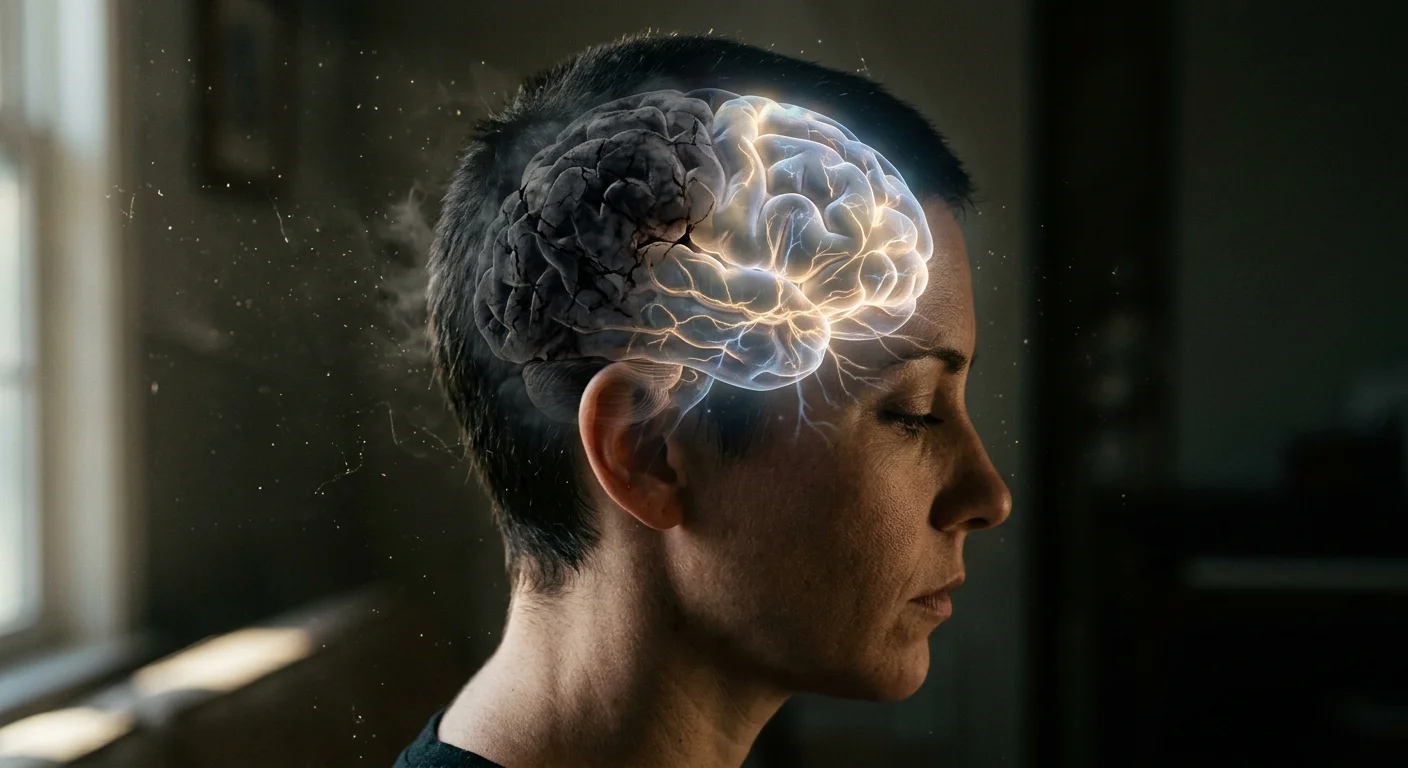
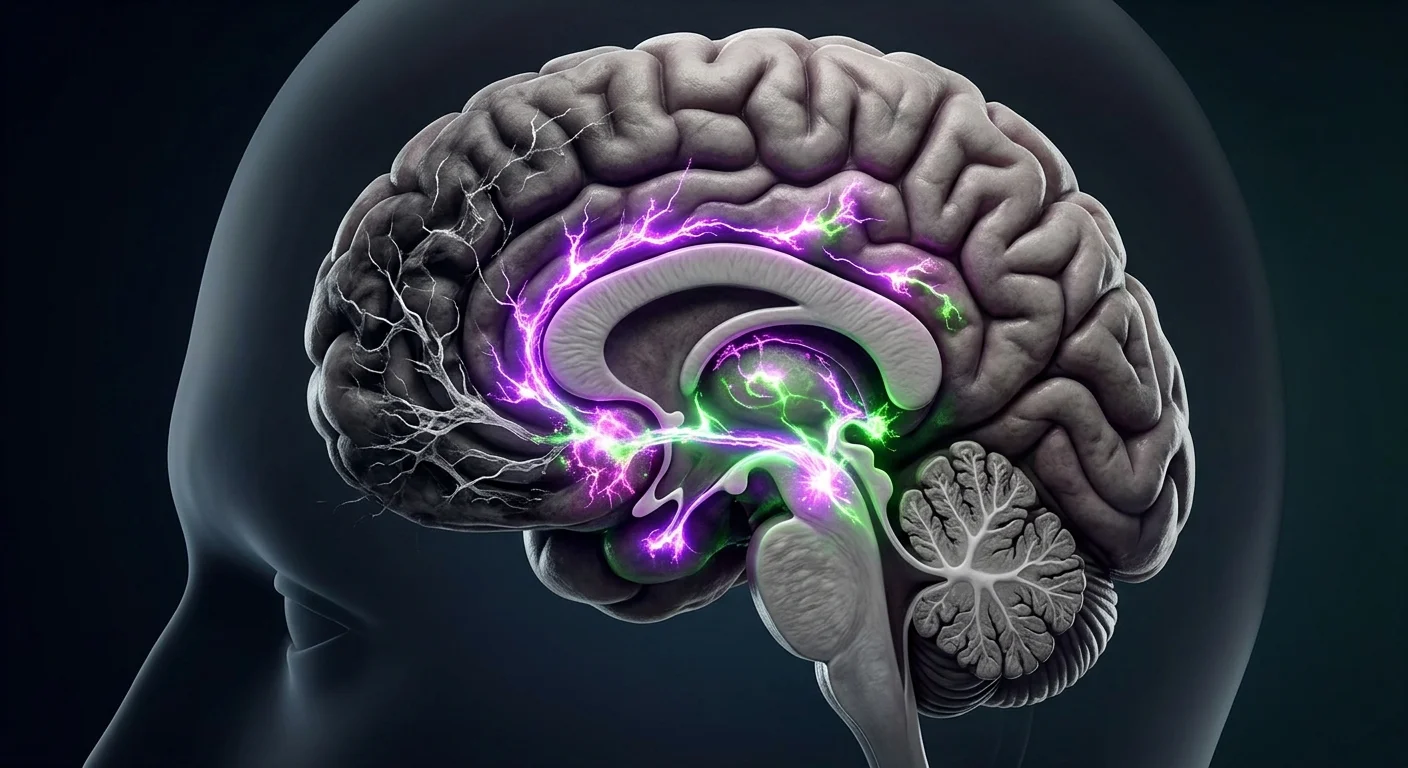
Unlike depressants, stimulants often reinforce performance and confidence at first. Over time, the brain adapts to repeated dopamine surges and begins relying on the substance for motivation and mood regulation.
As tolerance increases, people may experience:
Reduced natural motivation
Emotional volatility
Sleep disruption
Compulsive use patterns
Difficulty functioning without stimulation
Stimulant addiction treatment focuses on rebuilding natural reward pathways and strengthening emotional regulation skills.
The Stimulant Crash Phase
After stopping stimulant use, many people experience a crash marked by exhaustion, low mood, and slowed thinking. Clinical structure during this period supports stabilization and relapse prevention.
Our stimulant addiction therapies are designed for individuals navigating cocaine, methamphetamine, or prescription stimulant misuse while managing work, school, or family life.
Full-day programming comparable to Partial Hospitalization (PHP), offering therapy, psychiatric oversight, and structured accountability five days per week.
Disclaimer: Due to Massachusetts licensing, New Growth Recovery uses “Extended Day Treatment” and “Day Treatment.” These are comparable to a Partial Hospitalization Program and an Intensive Outpatient Program, respectively.
Signs of Stimulant Use Disorder
Stimulant addiction does not always appear obvious. It can develop in high-performing individuals and remain hidden for years.
You may benefit from stimulant addiction treatment if you notice:
Escalating dosage or frequency
Inability to cut back
Emotional crashes between uses
Sleep reversal patterns
Increased secrecy around use
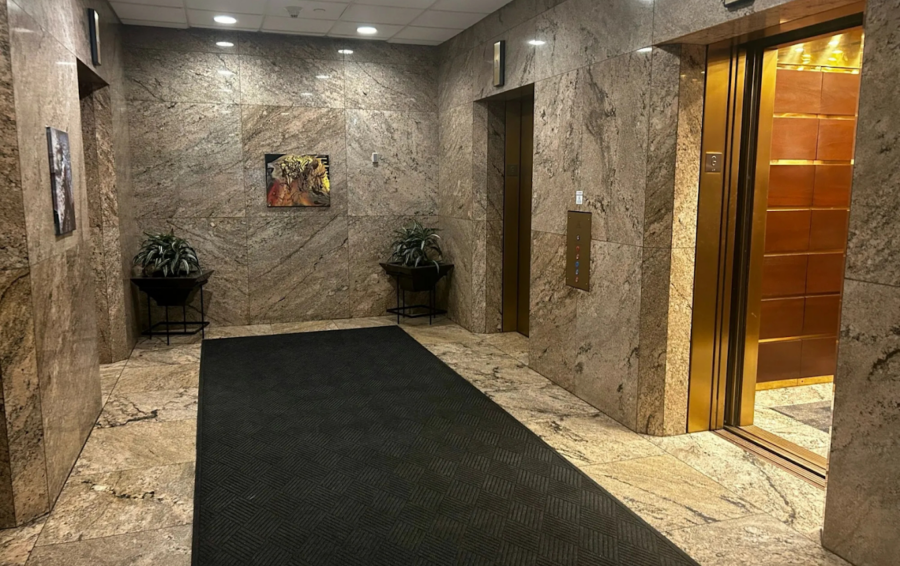
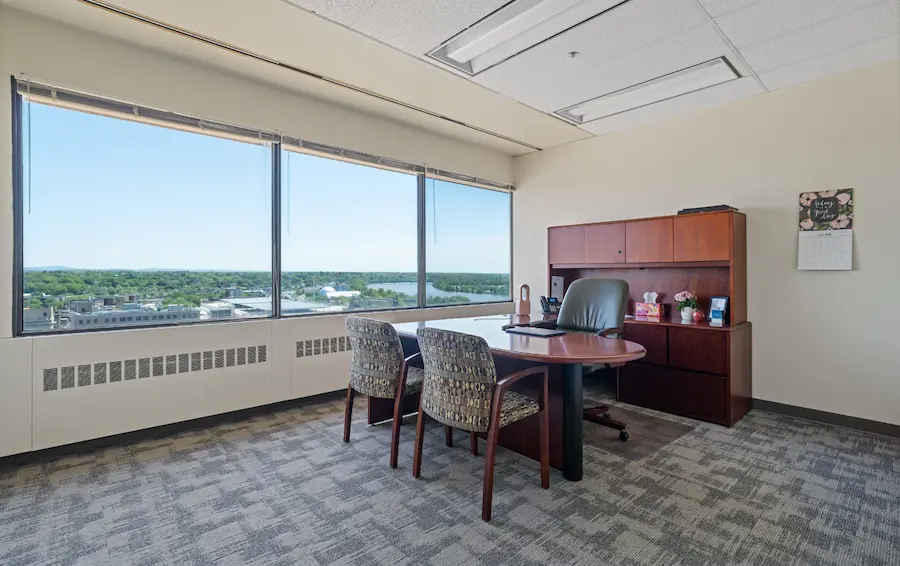
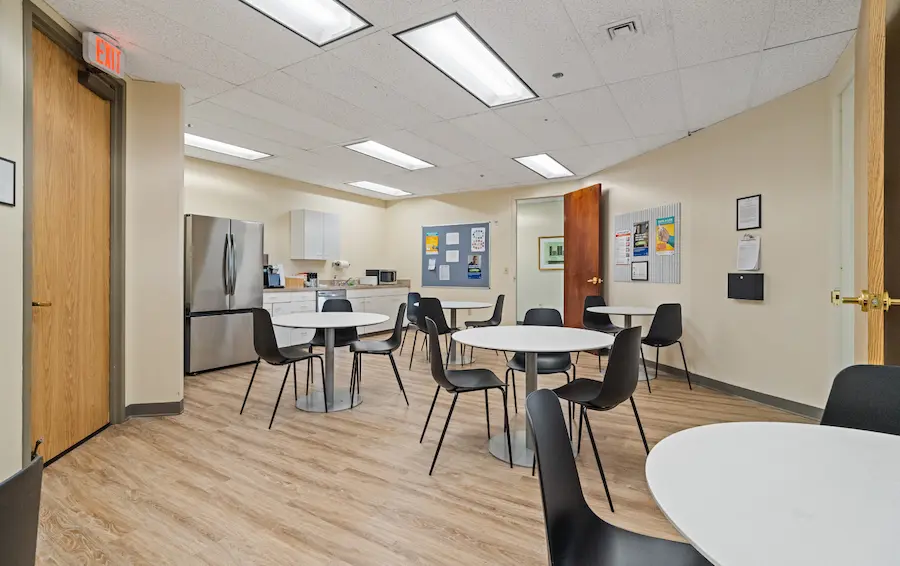
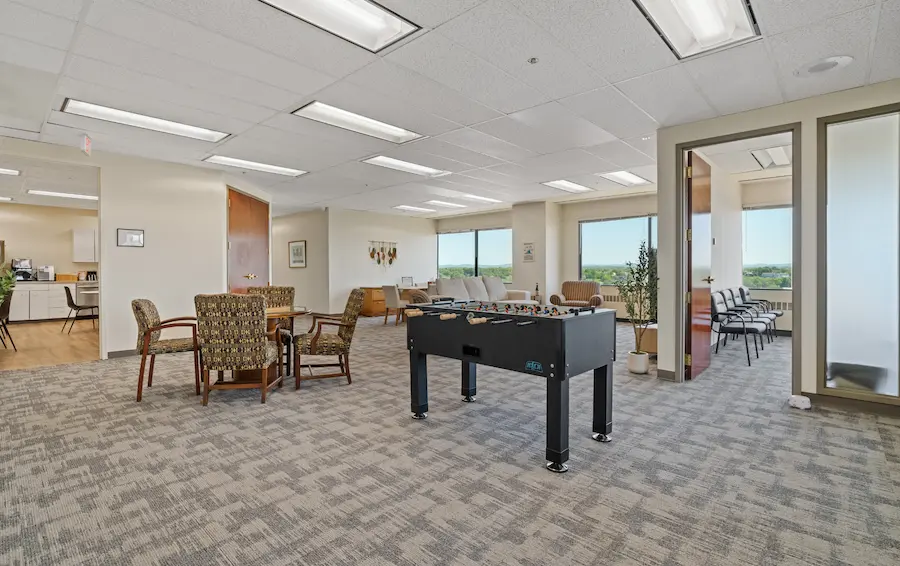
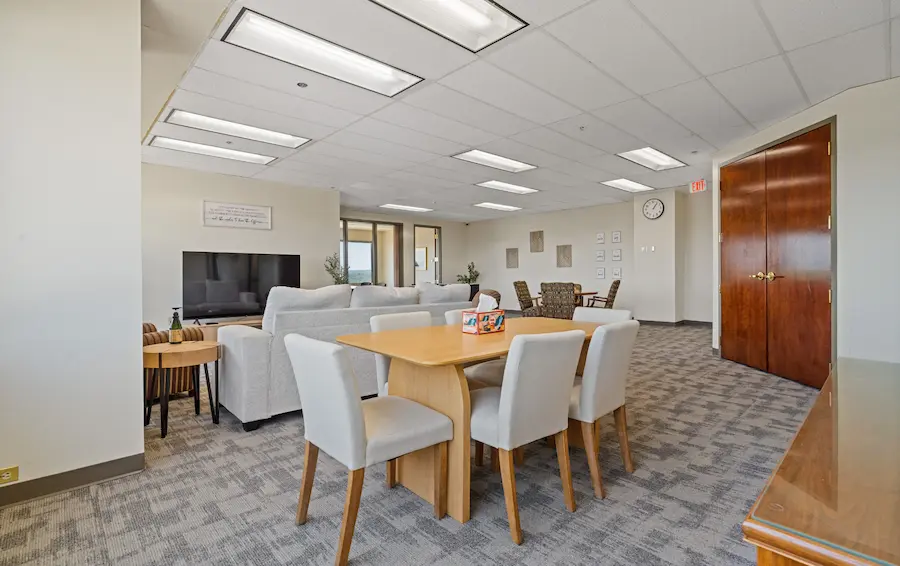
See Our Springfield Facility
Operating Hours: Monday to Sunday: 9 AM to 8 PM
Costs, Insurance, and Accessibility
You’ll receive treatment through most insurance providers, including MassHealth and out-of-network coverage. Get verification within 2 hours from our admissions team.
We can provide documentation for Massachusetts Paid Family and Medical Leave (PFML) when appropriate. Our team will help you understand the next steps.
How to Start Stimulant Addiction Treatment
Getting started is simple, whether you’re starting detox elsewhere, looking for placement, or seeking ongoing treatment.
1
Call or walk in to begin your intake
2
Speak with our team about your needs and history
3
Complete a substance abuse evaluation (can be done virtually)
4
Verify insurance or ask about payment options
5
Begin treatment as early as the same or the next day
Client Reviews About Our Stimulant Addiction Treatment
Posted on Google
Josh
Trustindex verifies that the original source of the review is Google.
Great clinicians that know about their work personally and really care about their participants wonderful place to find great people to have in your recovery journey
Posted on Google
kelly pete
Trustindex verifies that the original source of the review is Google.
Thank You💐
Posted on Google
Delina
Trustindex verifies that the original source of the review is Google.
New Growth was an incredible support throughout my personal recovery journey. Their dedicated, compassionate staff bring lived experience, and the client-centered environment truly feels like a real community. I would confidently refer anyone I know or care about who is seeking support.
Posted on Google
Steven Turrini
Trustindex verifies that the original source of the review is Google.
New growth is a great program that helps get to the root of the issue. Tim is great and I think his alumni meeting keeps showing people trying that it works!!👏
Posted on Google
Arianna Palazzi
Trustindex verifies that the original source of the review is Google.
New Growth has made a huge difference in my life. The staff here is amazing, they truly care about your recovery and go above and beyond to support you. Tim’s groups specifically made a big impact on me and really helped me through my time in the program. I felt heard, supported, and encouraged every step of the way. I would absolutely refer anyone who’s looking for help to come here.
Posted on Google
Christopher
Trustindex verifies that the original source of the review is Google.
I had a amazing experience at New Growth Recovery Center and am grateful for the support I received during a difficult time in my life. The staff was compassionate, knowledgeable, and genuinely committed to helping clients through recovery. From the clinical team to the support staff, I felt respected and understood rather than judged. The program offered a structured environment that helped me build healthier habits and better understand my substance use. Group sessions were especially impactful, providing a sense of community and connection with others facing similar challenges. I also appreciated the individualized attention in counseling sessions, which allowed me to work through personal issues at my own pace.
Posted on Google
Timothy McCarthy
Trustindex verifies that the original source of the review is Google.
New Growth was an amazing support in my personal recovery journey. Committed, compassionate staff with lived experience and a client culture that resembles real community. would refer to anyone I know/love seeking support.
Posted on Google
Billy Stoddard
Trustindex verifies that the original source of the review is Google.
Evan and the staff at New Growth have a very welcoming facility. It’s spacious and well kept. The clinical staff does a great job engaging and giving their clients the care they deserve. New Growth is my first call when anyone needs substance use outpatient resources in western MA
Posted on Google
Shannon Gillick
Trustindex verifies that the original source of the review is Google.
Best program I've ever been involved with! The staff our earth angels!!! Very beneficial programming and activities! I love New Growth Recovery! I thank God for making it possible for this kind of support and compassion!!!
FAQs About Stimulant Addiction Treatment
What drugs are stimulants?
Stimulants include cocaine, methamphetamine, and prescription medications such as Adderall and Ritalin. Misuse of these substances can lead to stimulant use disorder.
Not always. A clinical assessment determines whether outpatient care can begin safely.
What is stimulant use disorder?
Stimulant use disorder is a medical diagnosis describing ongoing stimulant misuse that causes impairment or distress. It can be effectively treated with structured care.
Can I work while in stimulant addiction treatment?
Yes. Day Treatment and Online Treatment are structured to support employment or school attendance.
Do you treat cocaine and meth addiction?
Yes. Our stimulant addiction treatment programs support individuals struggling with cocaine, methamphetamine, and prescription stimulant misuse.
What happens after treatment ends?
We provide short-term aftercare support and help you connect with long-term therapy and community-based recovery resources.
Is nicotine a stimulant?
Yes. Nicotine stimulates the central nervous system, though treatment approaches differ from cocaine or meth addiction care.
You do not have to navigate stimulant addiction on your own. At New Growth Recovery, we provide structured clinical care in a setting that prioritizes dignity, responsiveness, and stability.
Insurance Questions? Let’s Clear the Path to Your Recovery!
Please fill out the form below. You’ll typically receive a call within a couple of hours, and always within 24 hours. We’re here to help you every step of the way.